Hemp block for sound insulation: features and installation
Hemp blocks offer notable acoustic absorption with a coefficient α = 0.85, making them suitable for partitions and wall linings. Their bio-based composition and moisture-regulating properties contribute to lasting acoustic comfort. Correct installation is essential to ensure performance.
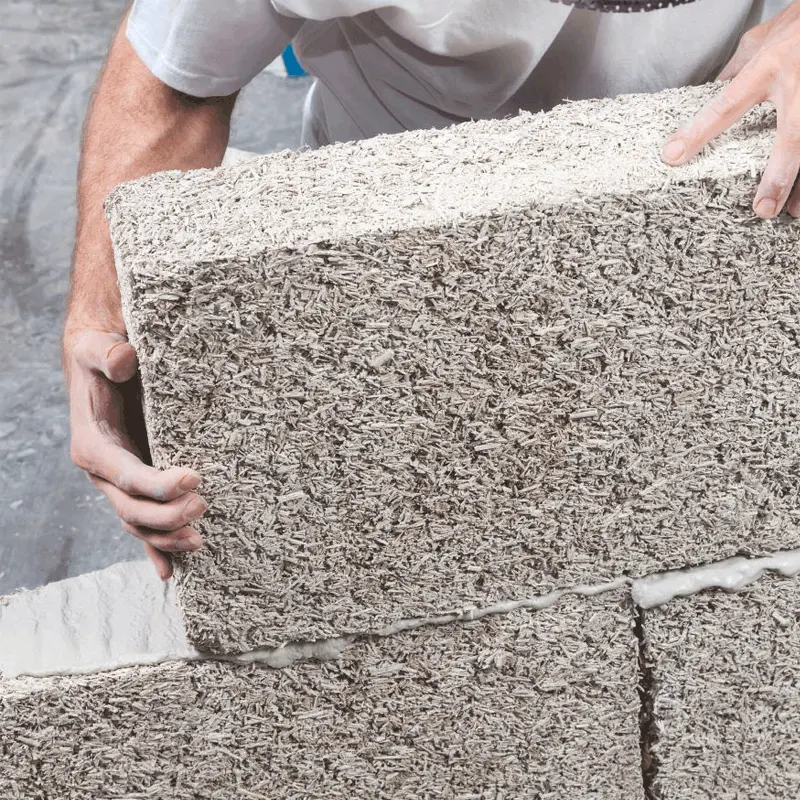
| Range | MULTICHANVRE |
|---|---|
| Format | 60 × 30 × 10 to 30 cm |
| Thermal conductivity λ | 0.065 W/(m.K) |
| Density | 300 kg/m³ |
| Thermal resistance R | 1.5 to 4.6 m².K/W depending on thickness |
| Installation | partitions, wall lining, IWI, EWI, floor under screed, timber frame |
The hemp block offers notable sound absorption with a coefficient α = 0.85, making it suitable for partitions and wall linings. Its bio-based composition and hygrothermal properties contribute to lasting acoustic comfort. Installation follows precise guidelines to ensure performance.
Hemp block composition and acoustic properties
- Hemp blocks are made up of 84% hemp shiv, the woody core of the hemp stem, bound with Vicat natural prompt cement, a vapour-open hydraulic binder.
- Its density of around 300 kg/m³ contributes to its sound absorption properties, providing a degree of thermal mass and a moderate ability to dampen sound waves.
- The acoustic absorption coefficient α is 0.4, meaning the material absorbs 40% of incident sound energy. This is suitable for use in partitions and linings, reducing reverberation in interior spaces, though it does not provide very high levels of sound insulation.
- Moisture regulation within a comfortable range helps maintain stable acoustic comfort by limiting humidity variations that can affect sound transmission.
- The block is rated B-s1 d0 for fire resistance, ensuring low smoke and particle emissions in the event of fire, and has an A+ rating for indoor air quality, confirming the absence of harmful emissions.
These features make it an appealing bio-based material for acoustic insulation, especially in renovation or new-build projects where control of the indoor environment is a priority.
Sizes and performance: the MULTICHANVRE range
| Thickness (cm) | Thermal resistance R (m².K/W) | Thermal lag (hours) | Block weight (kg) | Packing (blocks/pallet) | Area per pallet (m²) | Recommended acoustic uses |
|---|---|---|---|---|---|---|
| 10 | 1.5 | 6.1 | 6.5 | 120 | 21.6 | Partitions, light lining |
| 15 | 2.3 | 9.25 | 10 | 80 | 14.4 | Standard lining, partitions |
| 20 | 3.0 | 12.3 | 13 | 60 | 10.8 | High-performance IWI and EWI |
| 30 | 4.6 | 18.5 | 21 | 56 | 10.08 | High-performance EWI |
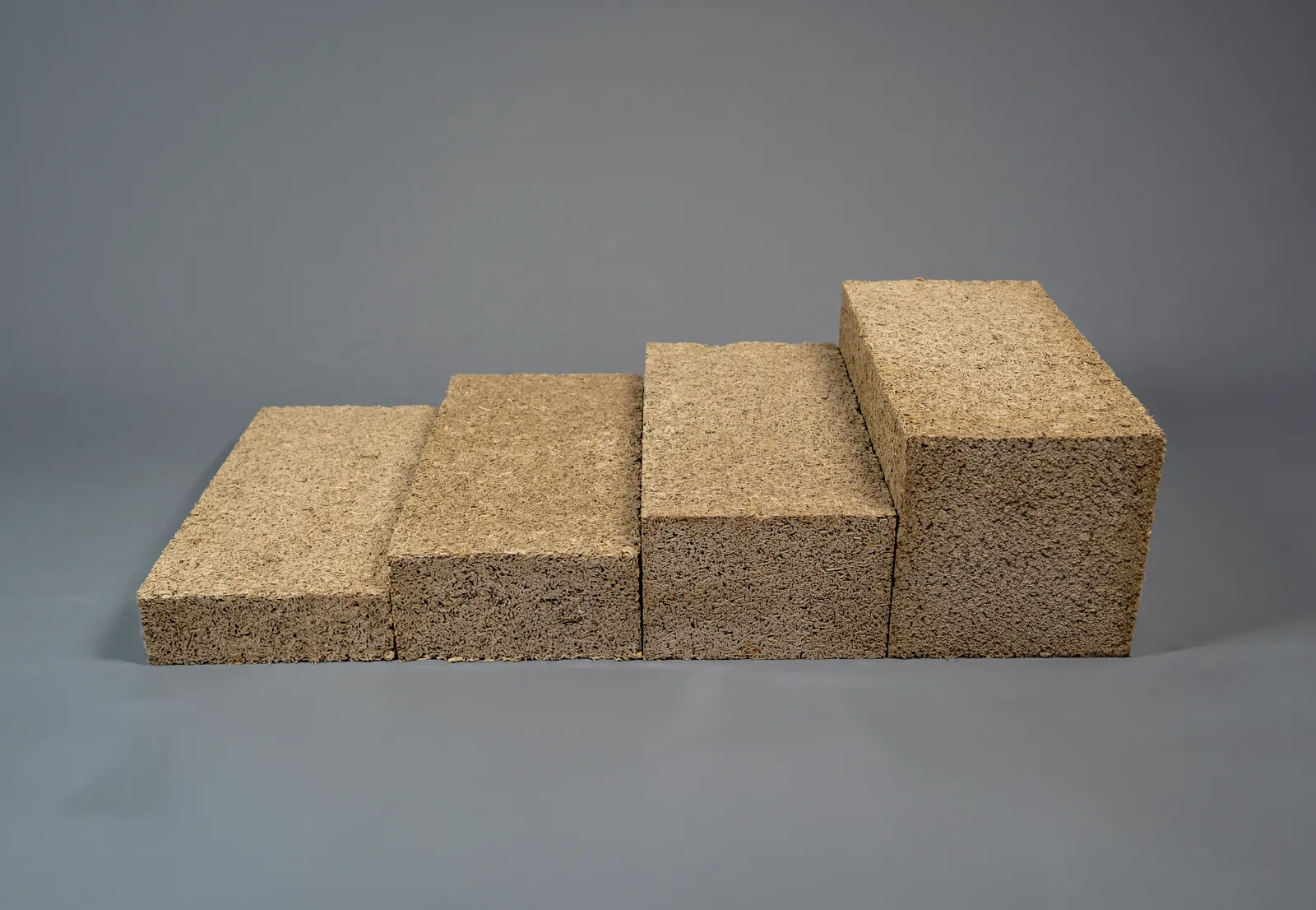
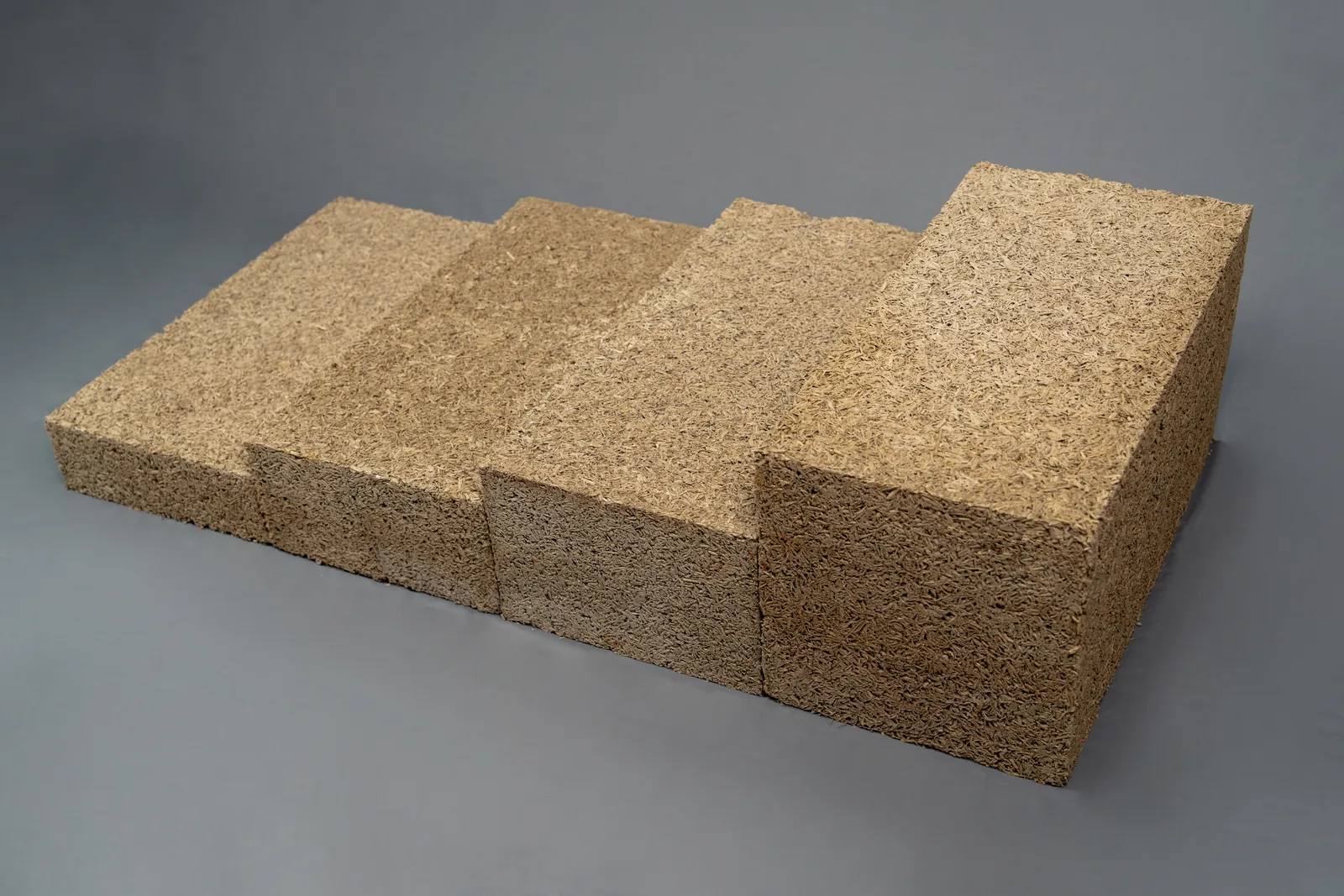
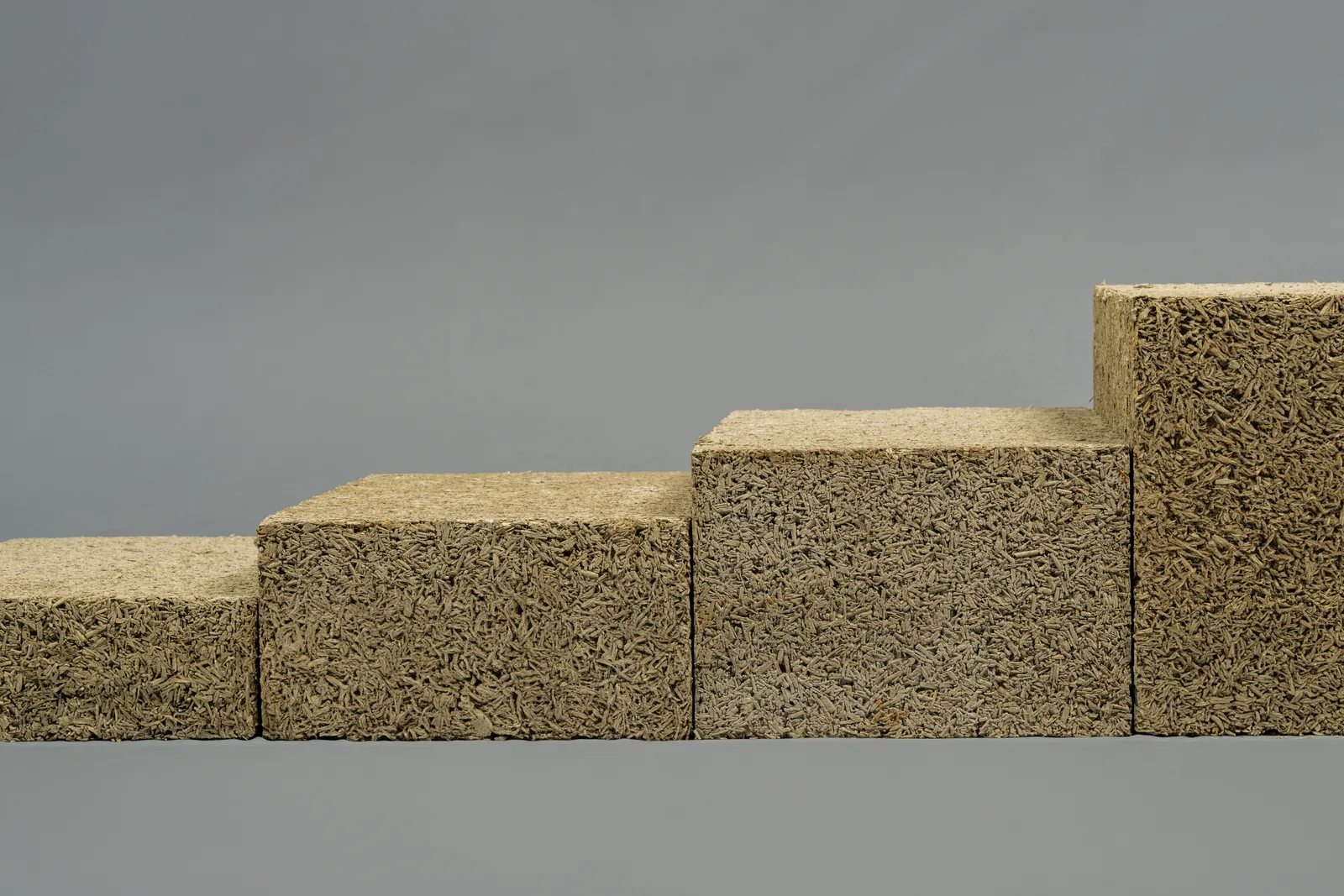
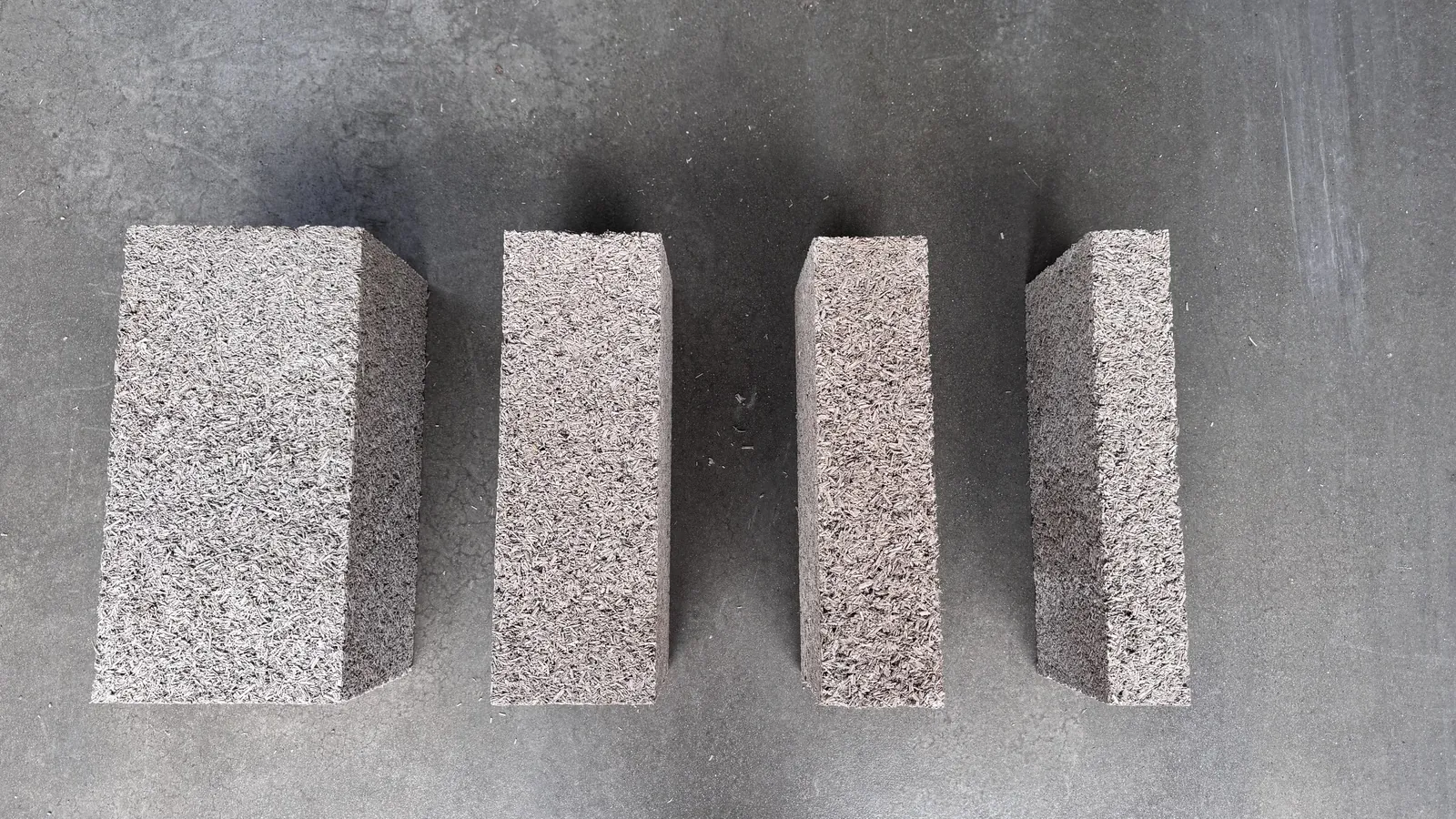
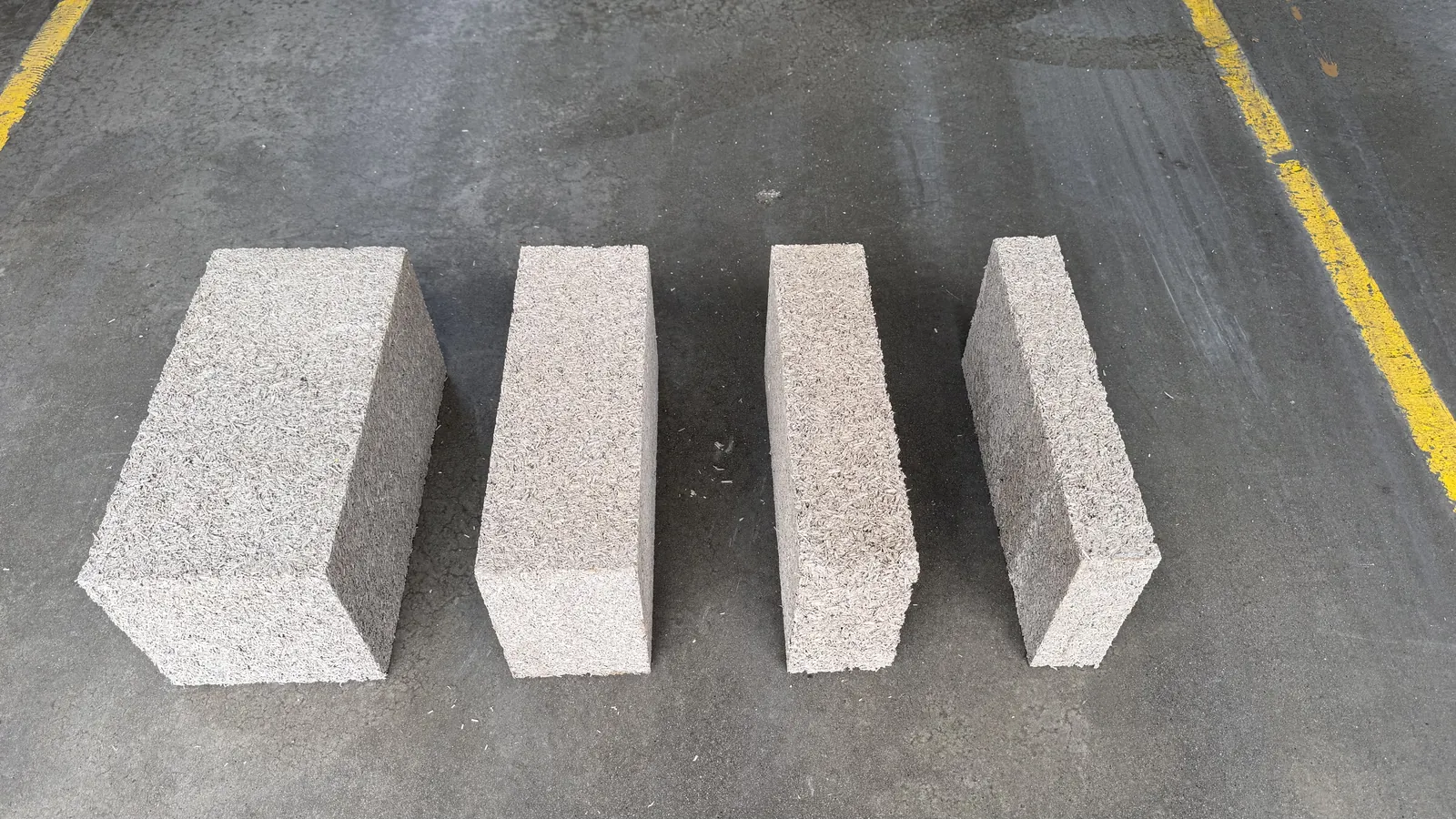
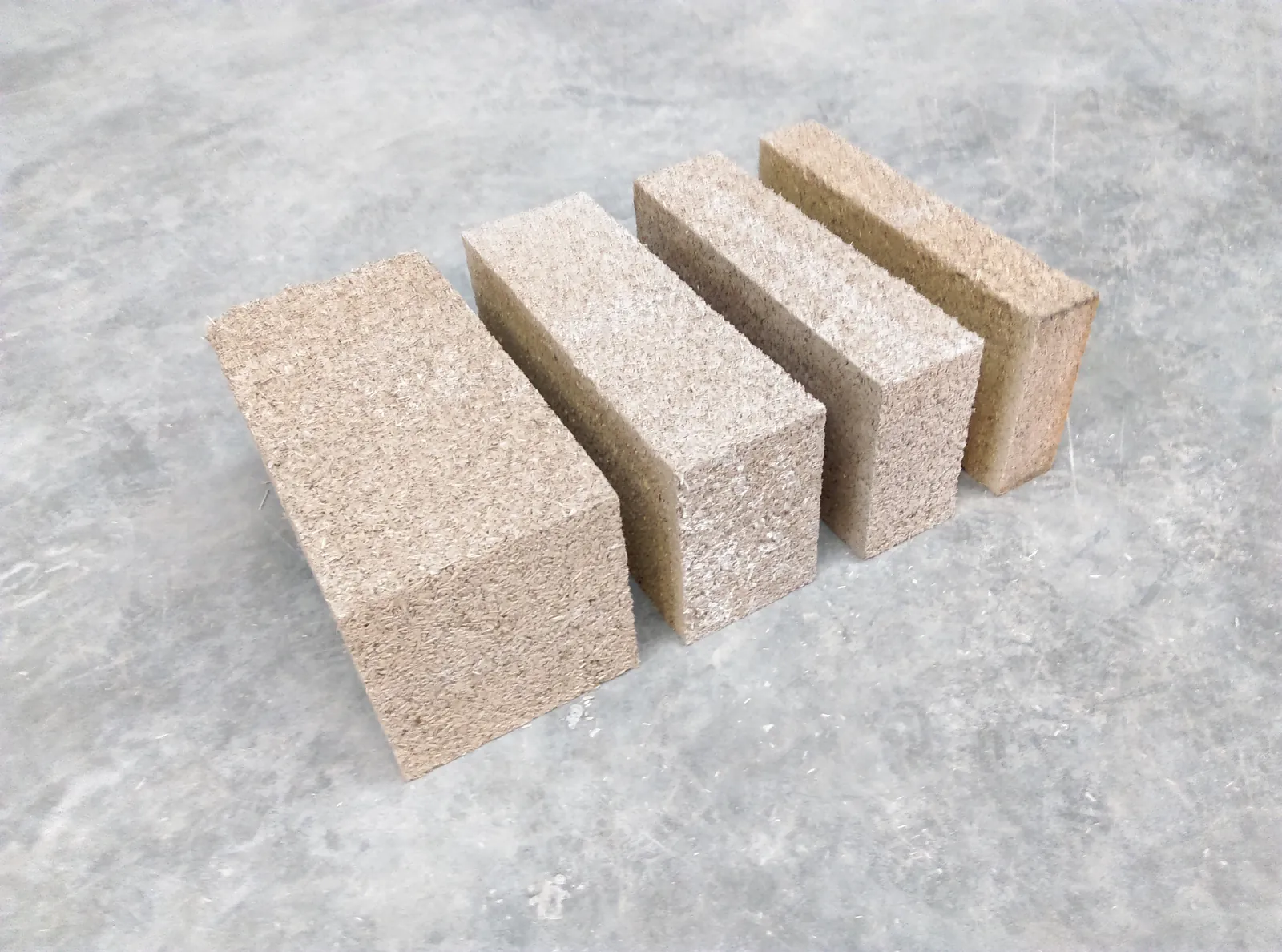
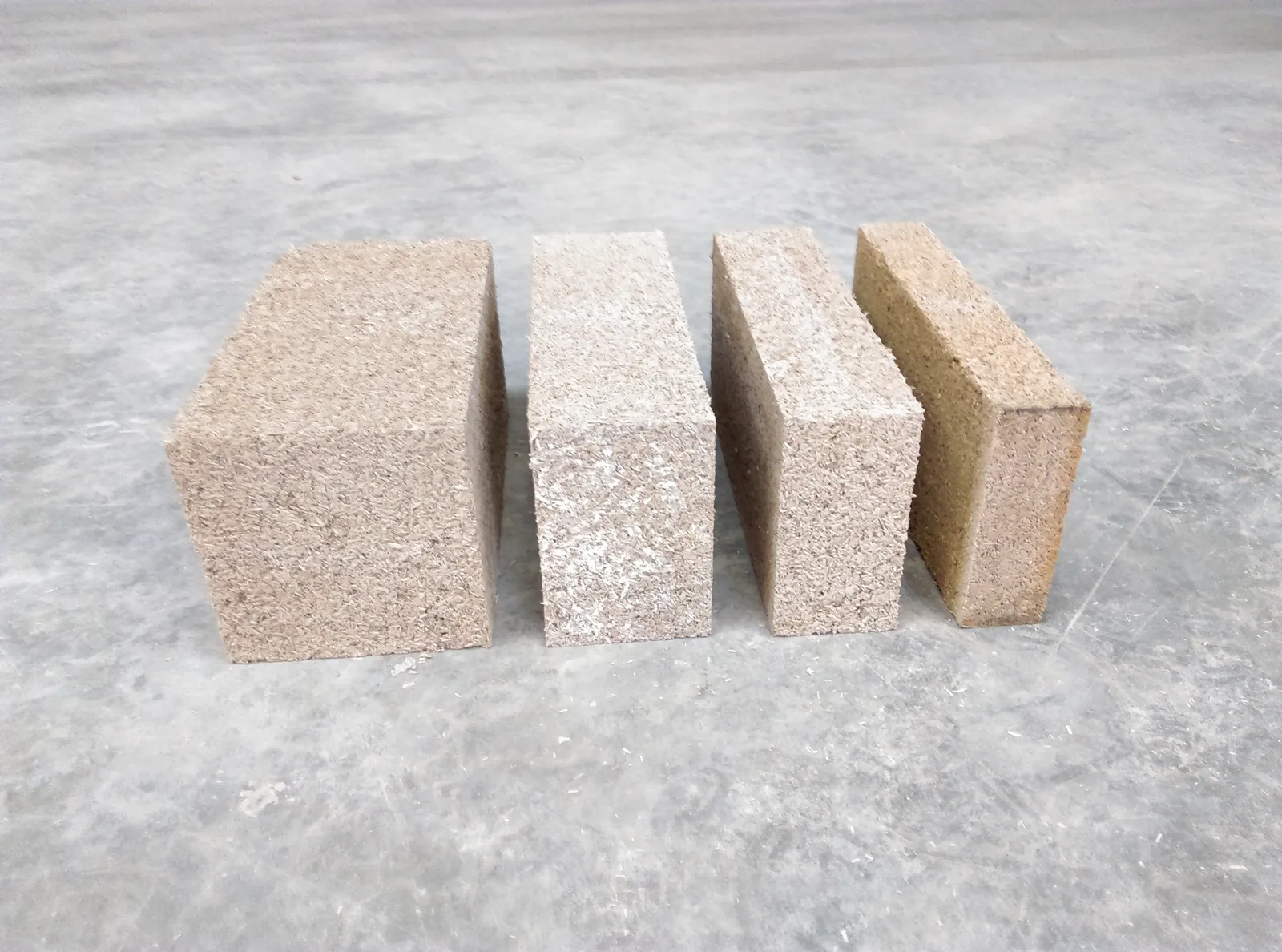
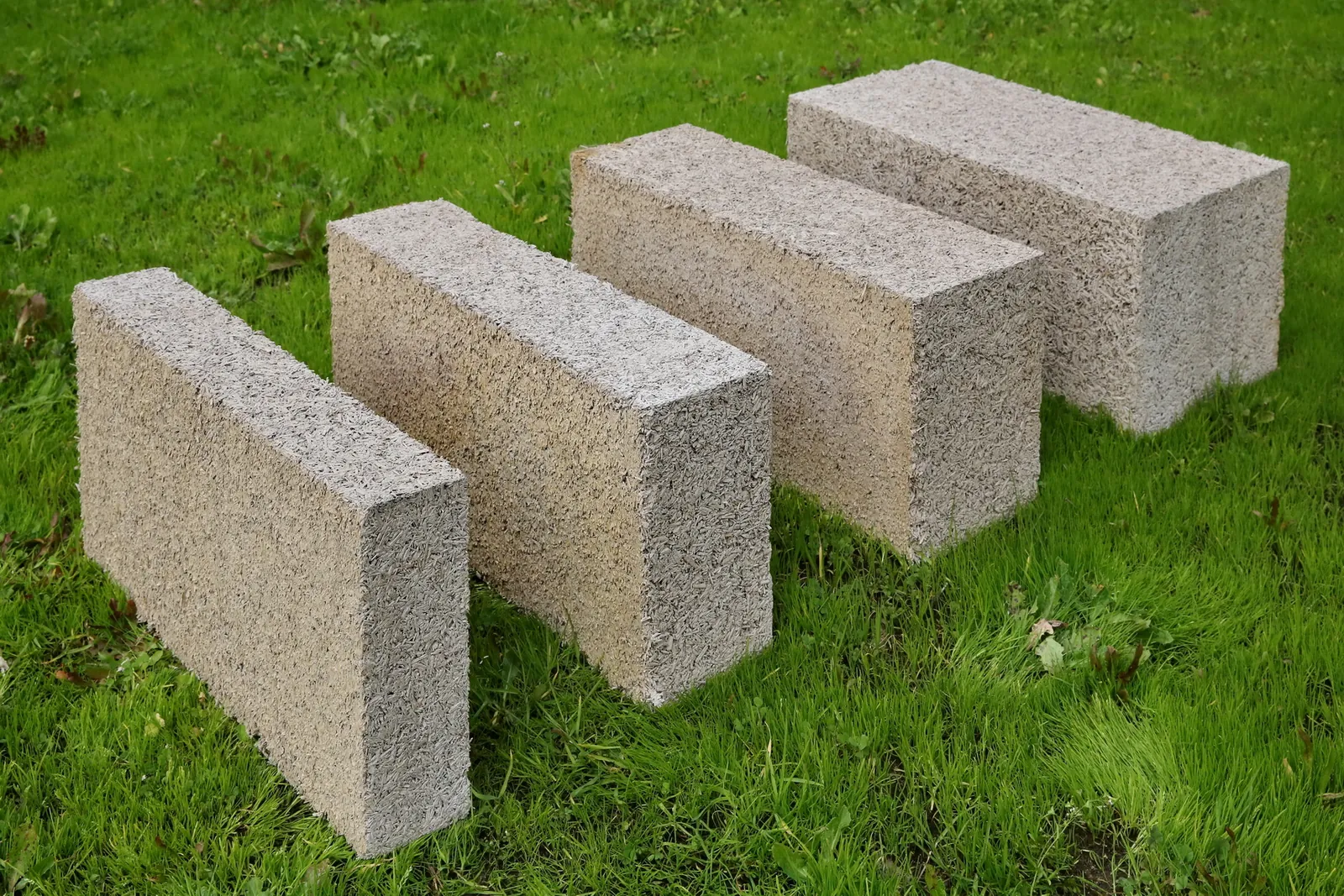
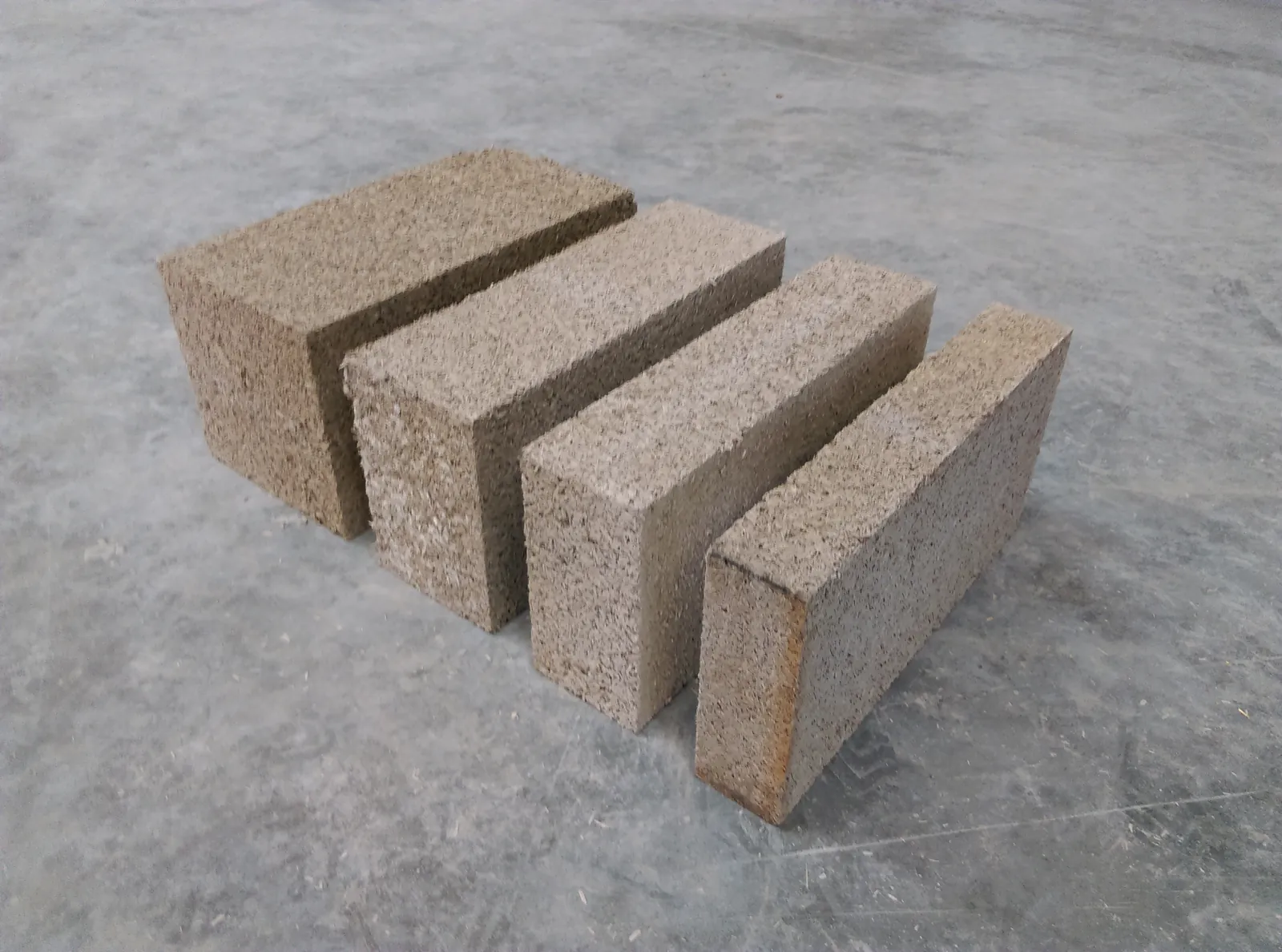
The MULTICHANVRE range offers blocks in standard 60 × 30 cm sizes, with thicknesses from 10 to 30 cm. Each thickness corresponds to a specific thermal resistance R. Thermal lag increases with thickness, improving summer comfort by delaying heat transfer.
Block weights range from 6.5 kg for 10 cm to 21 kg for 30 cm, which affects handling and installation. Standard pallet packing makes logistics and storage easier, with pallet coverage from 10.08 m² to 21.6 m² depending on thickness.
Thinner formats (10 and 15 cm) are recommended for partitions and acoustic linings, while greater thicknesses (20 and 30 cm) are more focused on high-performance thermal insulation, also providing acoustic comfort thanks to their thermal mass.
For further technical details, see the MULTICHANVRE range technical details.
Specific uses for acoustic insulation with hemp blocks
- 10 and 15 cm blocks from the MULTICHANVRE range are suitable for light to medium partitions and linings, providing useful sound absorption indoors.
- Filling timber frames with hemp blocks enhances acoustic insulation by combining the mass of wood with the absorption capacity of hemp.
- The blocks are also suitable for internal (IWI) and external (EWI) wall insulation, where their acoustic properties contribute to overall comfort, particularly in renovation.
- Floor insulation beneath screed is another possible application, helping to reduce impact noise thanks to the nature of the material.
- It is important to note that these blocks are non-loadbearing: they must be used with a supporting wall or structural frame to ensure stability.
This versatility is explained in detail on the applications of hemp blocks for insulation page, which covers use cases and technical advice.
Installation guidance for optimising acoustic insulation
Installing hemp blocks for acoustic insulation follows a precise protocol to ensure acoustic continuity:
- Blocks are laid with lime mortar applied using a notched trowel, in staggered joints, ensuring a tight bond between elements.
- Fixing to the substrate is by brackets, typically two per square metre, to guarantee mechanical stability without compromising insulation performance.
- Compatible internal plasters include spray-applied plaster, lime, earth or clay, all of which maintain vapour permeability and do not reduce the block’s sound absorption.
- Externally, a lime-based render with full mesh reinforcement is recommended to protect the material while preserving its properties.
- Careful installation is essential to avoid acoustic bridges, particularly by ensuring joint continuity and high-quality finishes.
A section diagram showing a 15 cm hemp block partition with joint, fixing and render details is available in the technical installation guide for professionals.
Acoustic performance comparison with other materials
| Criterion | Hemp block | Glass wool | Aerated concrete | Brick |
|---|---|---|---|---|
| Acoustic absorption (α) | 0.4 | higher | lower | low |
| Density (kg/m³) | ~300 | low | medium | high |
| Thermal mass | moderate to high depending on thickness | low | moderate | high |
| Moisture regulation | active (50-60%) | none | low | low |
| Use in renovation | well-suited – natural | common | well-suited | structural |
Hemp blocks offer moderate but effective sound absorption, better than aerated concrete or brick, though lower than mineral wools. Their medium density and ability to regulate humidity contribute to stable acoustic comfort. These characteristics make them relevant for ecological renovation or timber frame construction, where a combination of thermal mass and absorption is sought.
The comparison between hemp block and glass wool explores these aspects in more detail, while the comparison with aerated concrete highlights differences in structure and use.
Maintenance and durability of hemp block acoustic insulation
- Hemp blocks are naturally resistant to rodents thanks to the hemp shiv and mineral binder, limiting the risk of biological degradation.
- Made from 100% French, renewable and recyclable raw materials, their environmental impact is controlled, notably with a verified FDES.
- Regular maintenance of finishing renders helps preserve acoustic performance and material integrity, preventing standing moisture and cracking.
- Expected lifespan is comparable to that of associated traditional constructions, provided installation and maintenance are correct.
- Finishes play a key role in protecting against mechanical and weather-related damage, affecting the long-term durability of acoustic insulation.
For more information, see the lifespan and maintenance of hemp block walls page for best practice advice.
Regulations and certifications for hemp block acoustics
- The MULTICHANVRE range is currently undergoing certification (an ATEx for internal insulation is under review by CSTB), meaning its performance is subject to technical validation.
- The BIOSYS system, manufactured by Vieille Matériaux under the Vicat group brand, offers a thermal resistance R of 4.6 m².K/W (useful value 4.2).
- Hemp blocks meet RE2020 (France's environmental building regulation) requirements for thermal performance and environmental impact, partly thanks to their low lambda and favourable carbon footprint.
- Applicable acoustic standards for new build and renovation must be observed in overall design, with hemp blocks considered as one element of the construction system.
- It is recommended to include hemp blocks in a comprehensive acoustic assessment to optimise their use and ensure compliance with regulatory requirements.
The guide to RE2020 and regulations provides a complete overview of these aspects.
Costs and availability of hemp blocks for acoustic insulation
- The indicative price for hemp blocks starts at around €35/m² incl. VAT for 10 cm thickness, with prices rising progressively for greater thicknesses.
- These prices are indicative only and subject to confirmation via a personalised quote.
- Commercial responses are provided within 48 working hours, helping with project planning.
- Blocks are available in standard palletised packs, making transport and installation easier.
- For an accurate and tailored estimate, contact the sales team using the quote request form.
A detailed cost analysis is available in the hemp block price guide per m².
Frequently asked questions
What is the acoustic absorption coefficient of hemp blocks?
Hemp blocks have an acoustic absorption coefficient α = 0.85, which corresponds to a moderate ability to absorb sound waves, making them suitable for partitions and linings to reduce reverberation.
Can hemp blocks replace conventional sound insulation?
Hemp blocks provide useful sound insulation as a complement to other solutions. Their moderate density and sound absorption make them an interesting material, but they are not always sufficient on their own to address all types of noise, especially airborne or very low-frequency sounds.
What thicknesses of hemp block are recommended for good acoustic insulation?
10 and 15 cm thicknesses are commonly used for linings and partitions to achieve effective acoustic insulation. 20 and 30 cm blocks, which are more focused on thermal insulation, also provide some acoustic comfort due to their thermal mass.
Which renders are compatible with hemp blocks to preserve their acoustic properties?
Spray-applied plaster, lime, earth or clay for interiors, and lime with mesh reinforcement for exteriors, are all compatible and do not impair the block’s sound absorption capacity.
Are hemp blocks suitable for acoustic insulation in new homes?
Yes, hemp blocks are suitable for new homes, particularly for acoustic partitions and linings, as well as for timber frame infill, provided best installation practices are followed to ensure effectiveness.
What impact do hemp blocks have on indoor air quality?
The blocks have an A+ indoor air quality rating, meaning they emit no harmful compounds and contribute to a healthy environment, which also supports acoustic comfort.
How can acoustic bridges be avoided when installing hemp blocks?
Blocks should be laid with a notched trowel in staggered joints, fixed with brackets and fully rendered. Careful installation is essential to minimise acoustic bridges and optimise insulation.
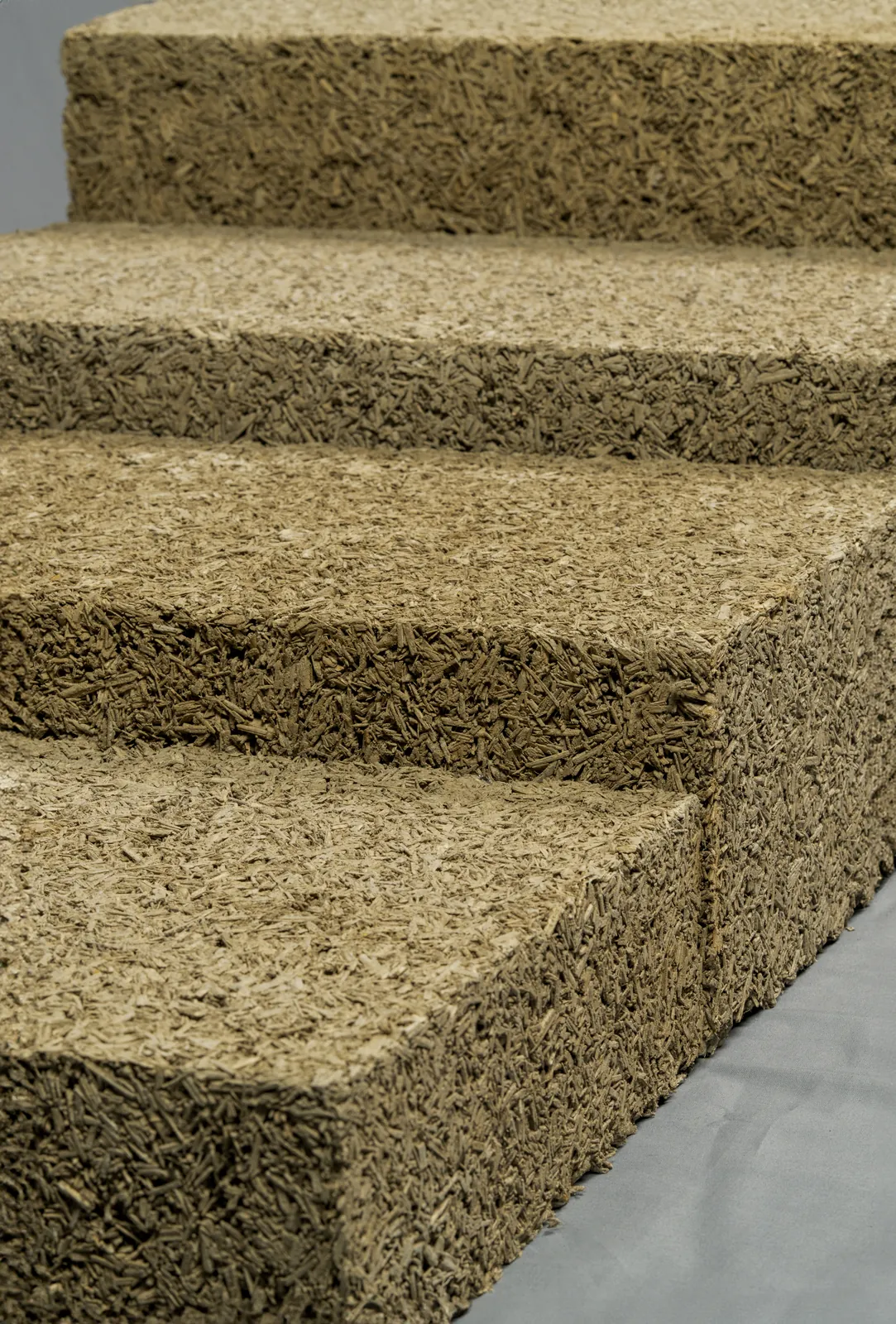
The MULTICHANVRE range in pictures
Read next
Planning a hemp block project?
Tell us about your project: we will reply within 48 working hours with a tailored costing.