Home › Hemp blocks › Applications

Hemp block applications

Three main approaches: insulating from the inside, insulating from the outside, or building. On top of these come partition walls, floors and frame infill.
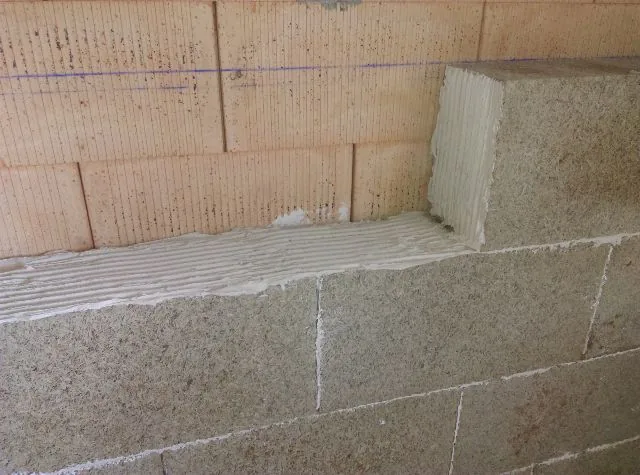
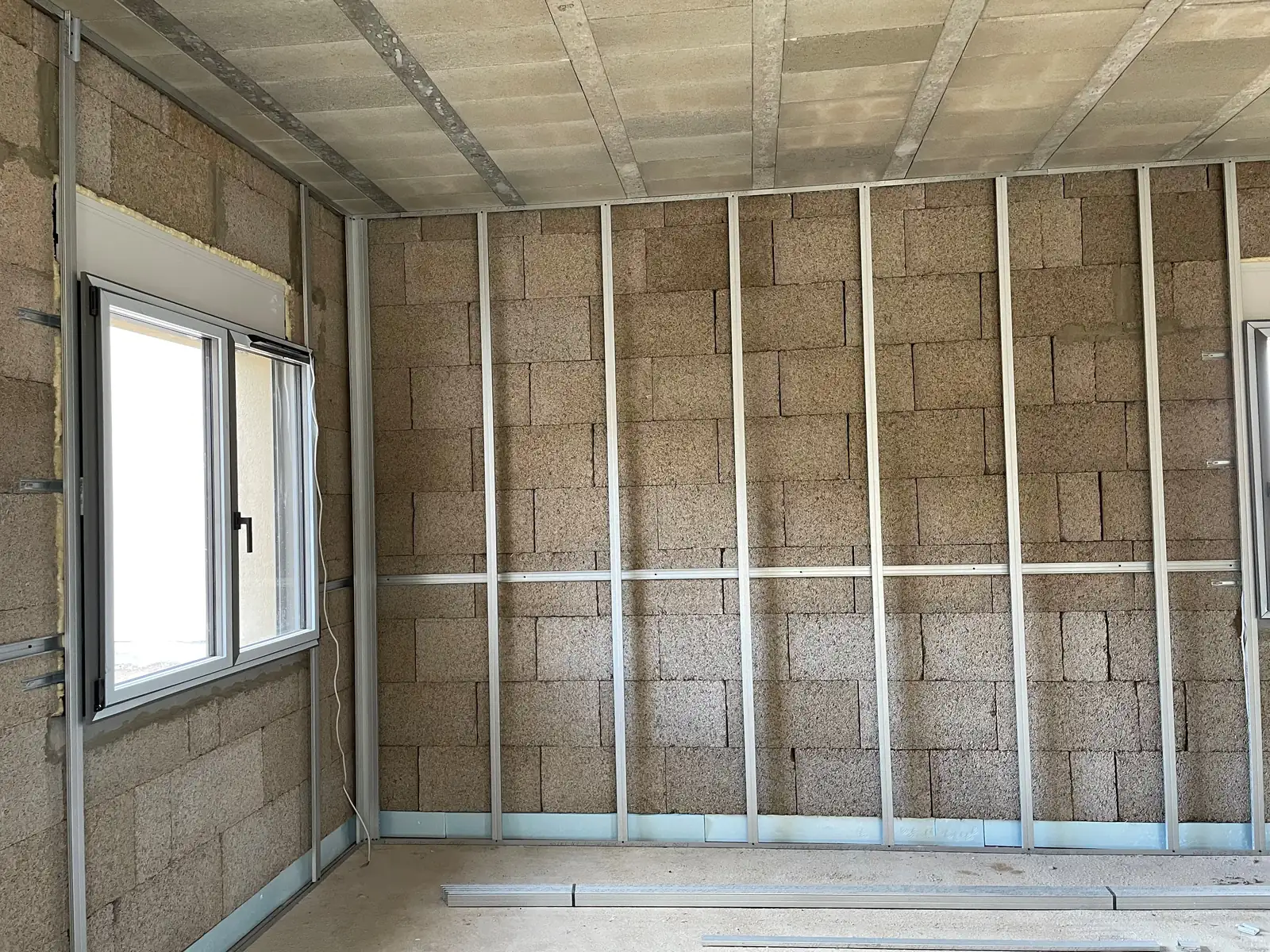
Internal lining in hemp blocks around a window

Internal wall insulation (IWI)

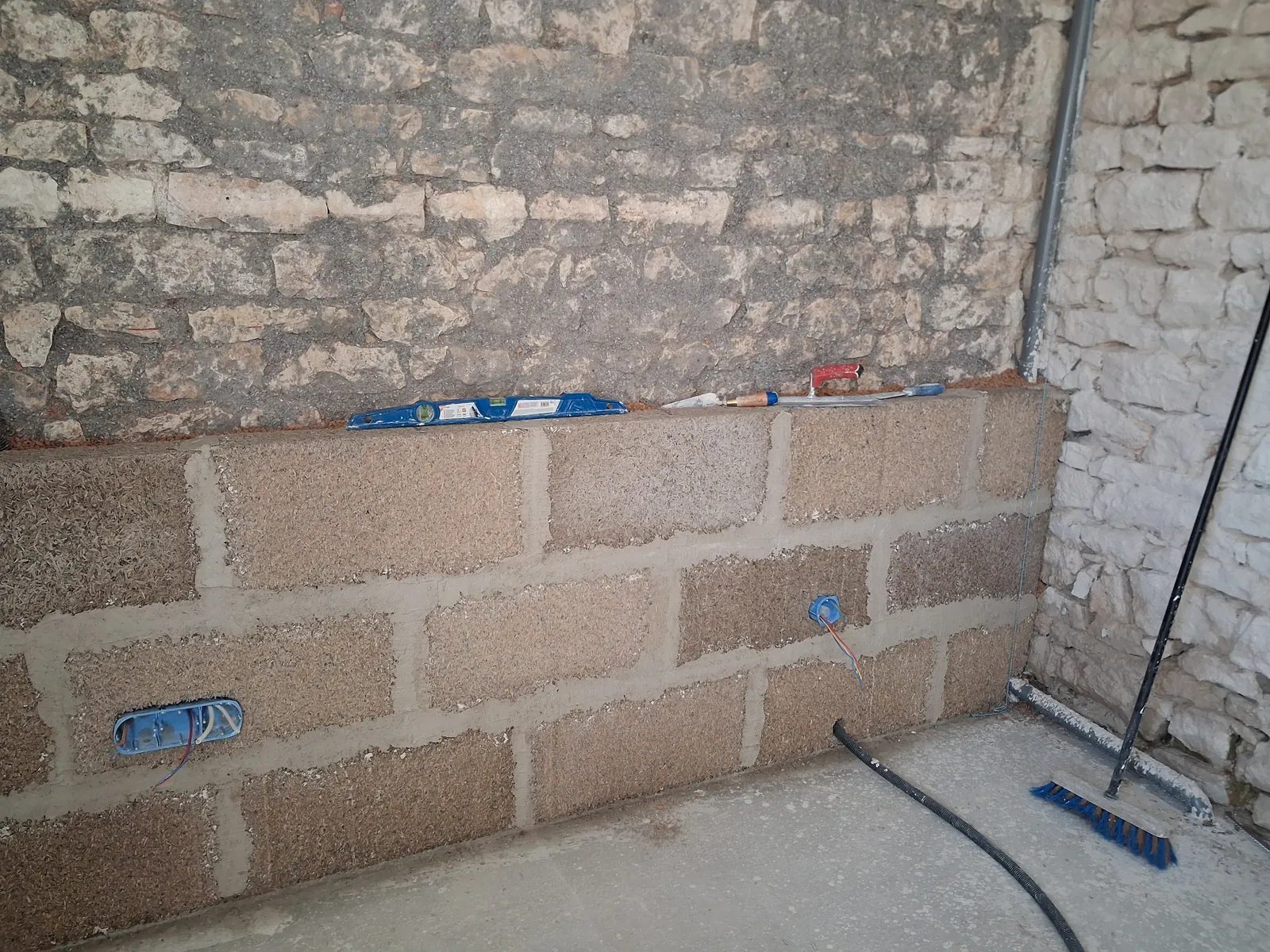
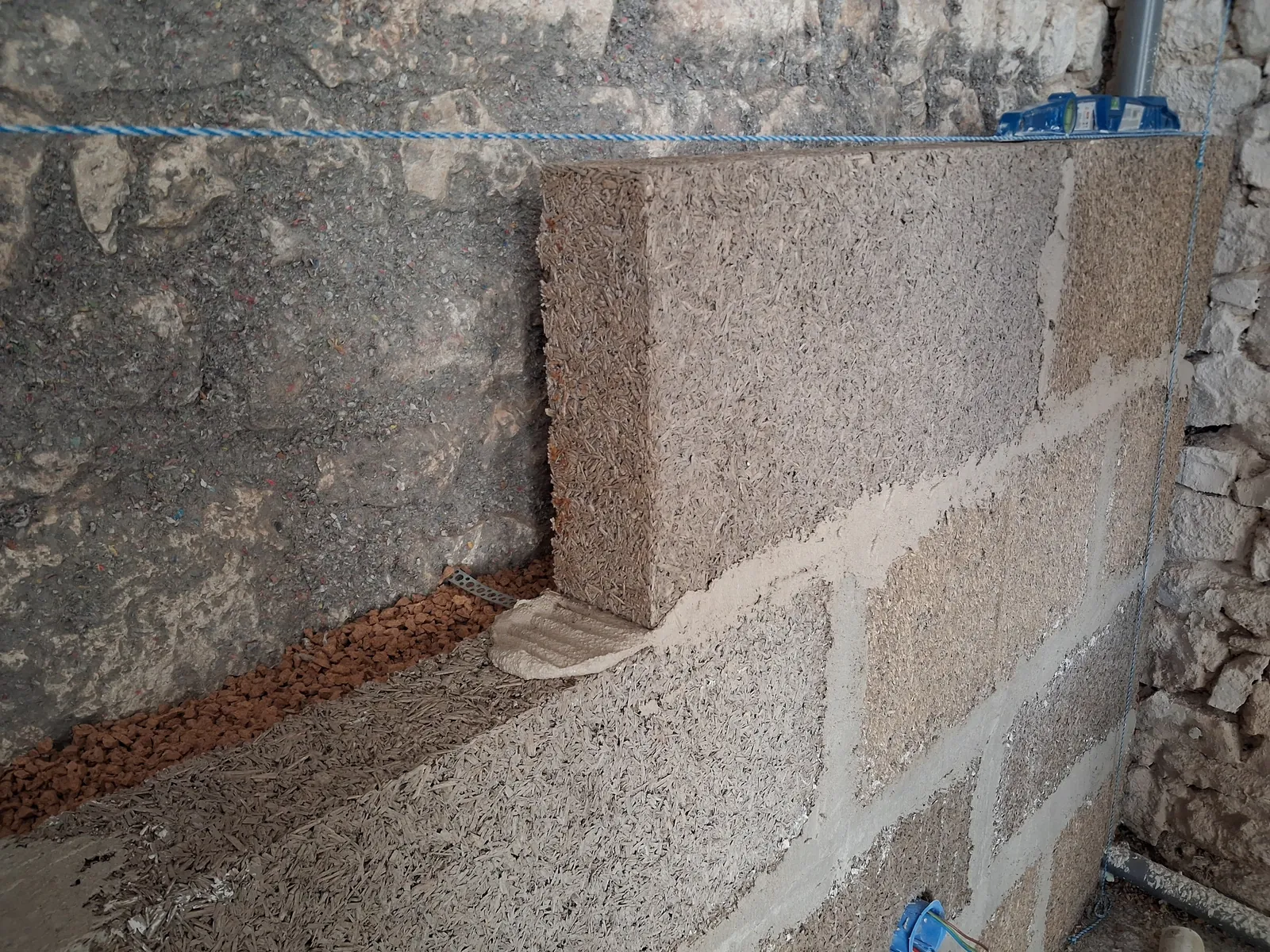
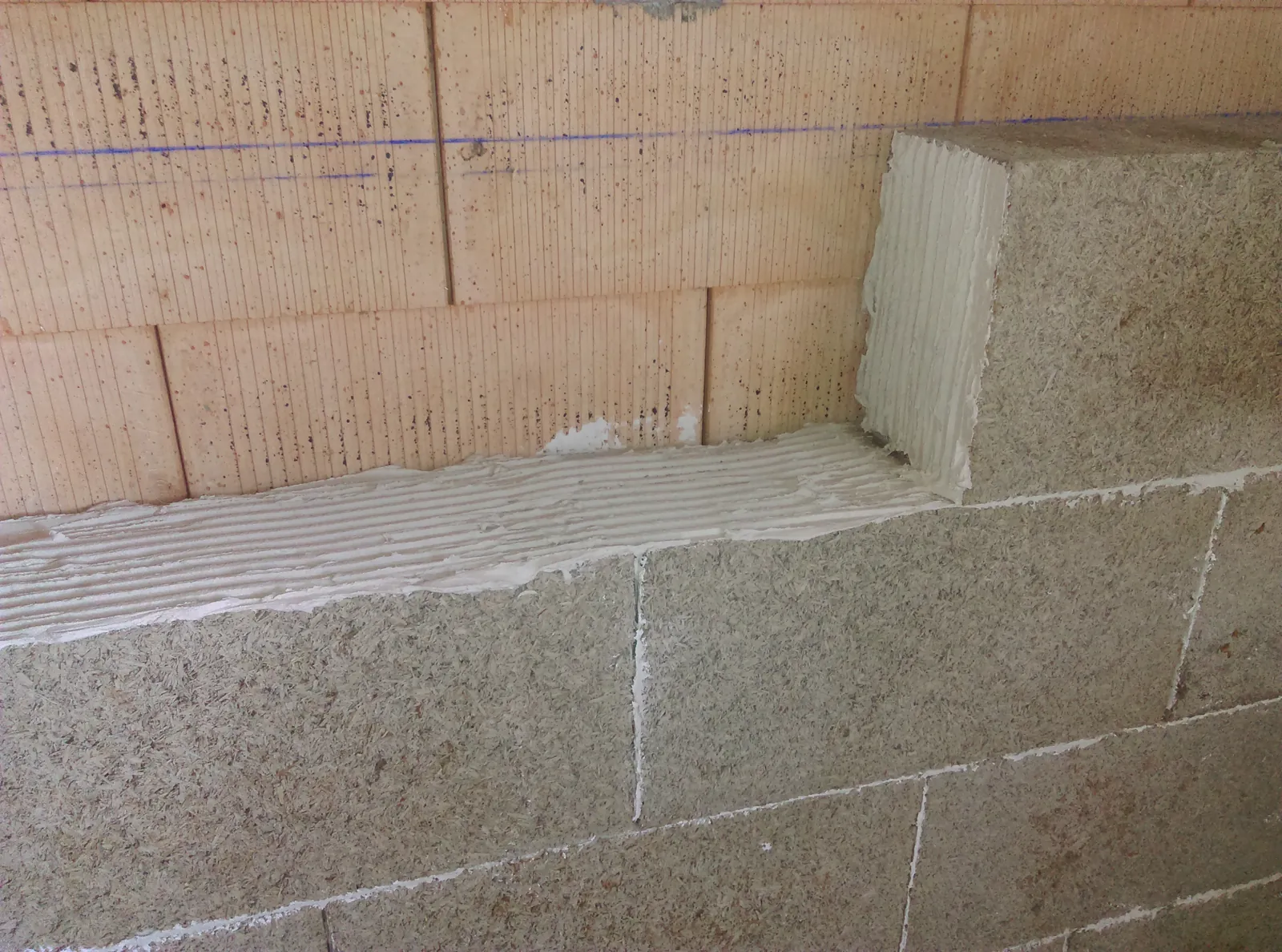
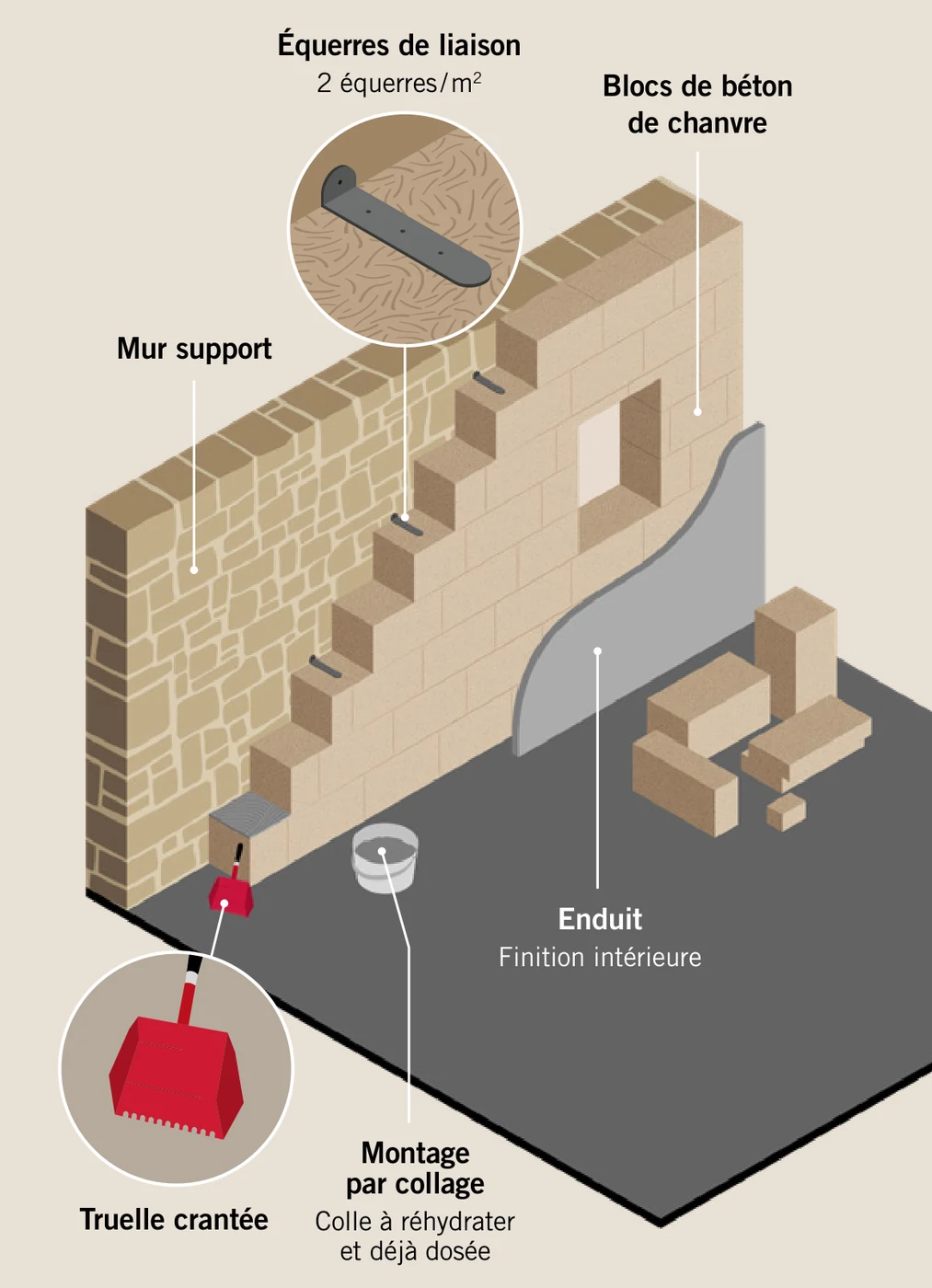
The ideal solution for lining old stone or rammed-earth walls and making the home healthier. The blocks are laid against the supporting wall and tied in with brackets.

Recommended for: old stone and rammed-earth walls · lining concrete block or brick walls.

External wall insulation (EWI)

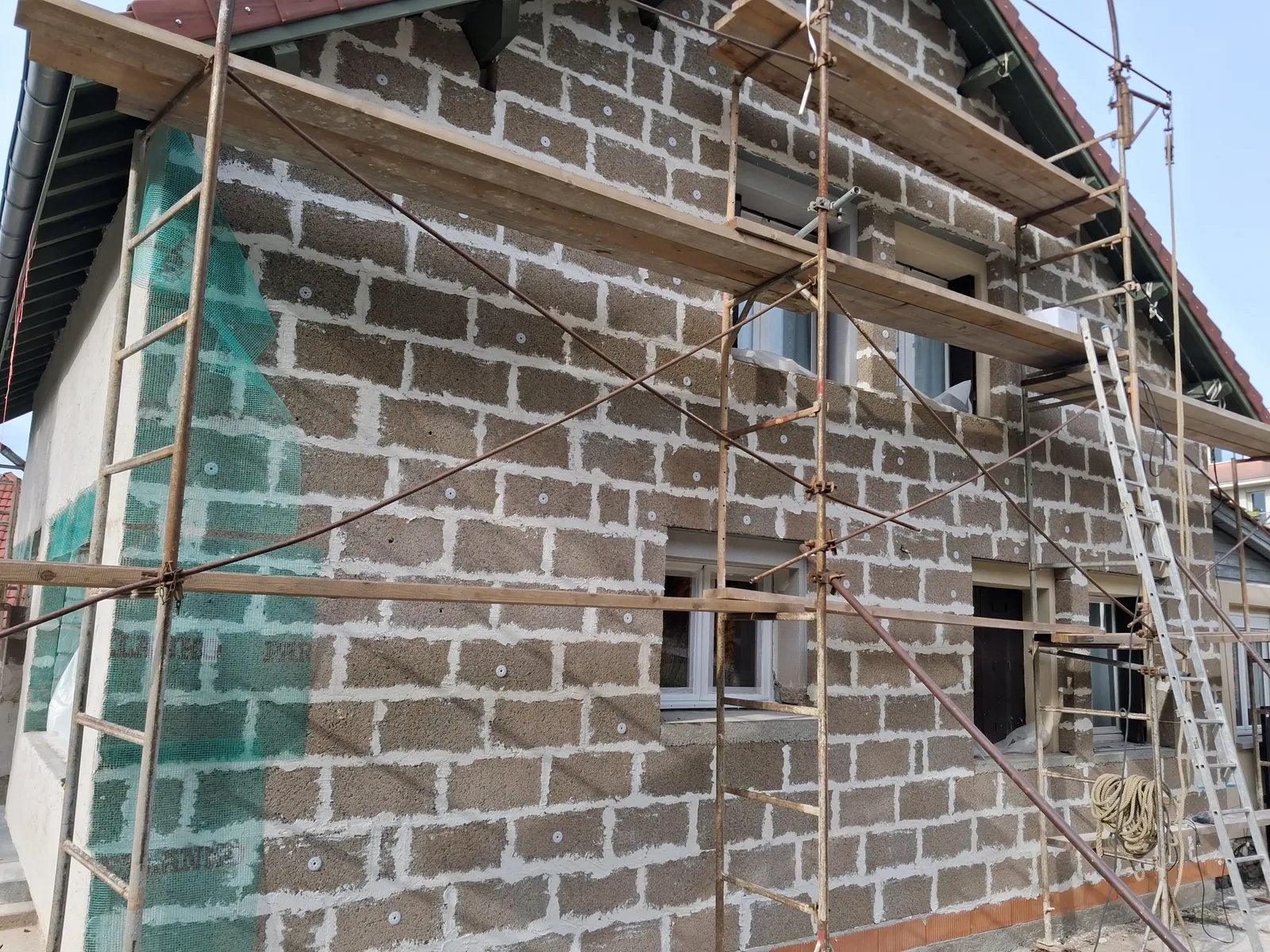
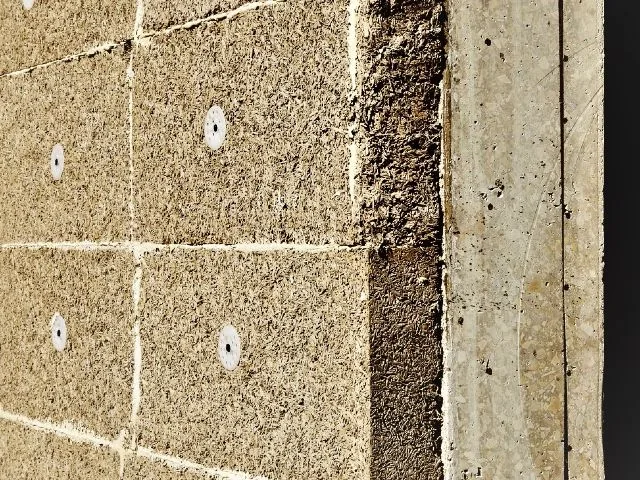
A continuous insulating envelope that greatly reduces thermal bridges and preserves both the thermal mass of the walls and the living space. The 1st course is laid on a plinth or a starter profile, at least 15 cm above ground level, with a capillary break. Lime finish.
Recommended for: detached houses, concrete block, stone or brick walls · whole-house energy renovation.
External insulation of a house in hemp blocks, before rendering
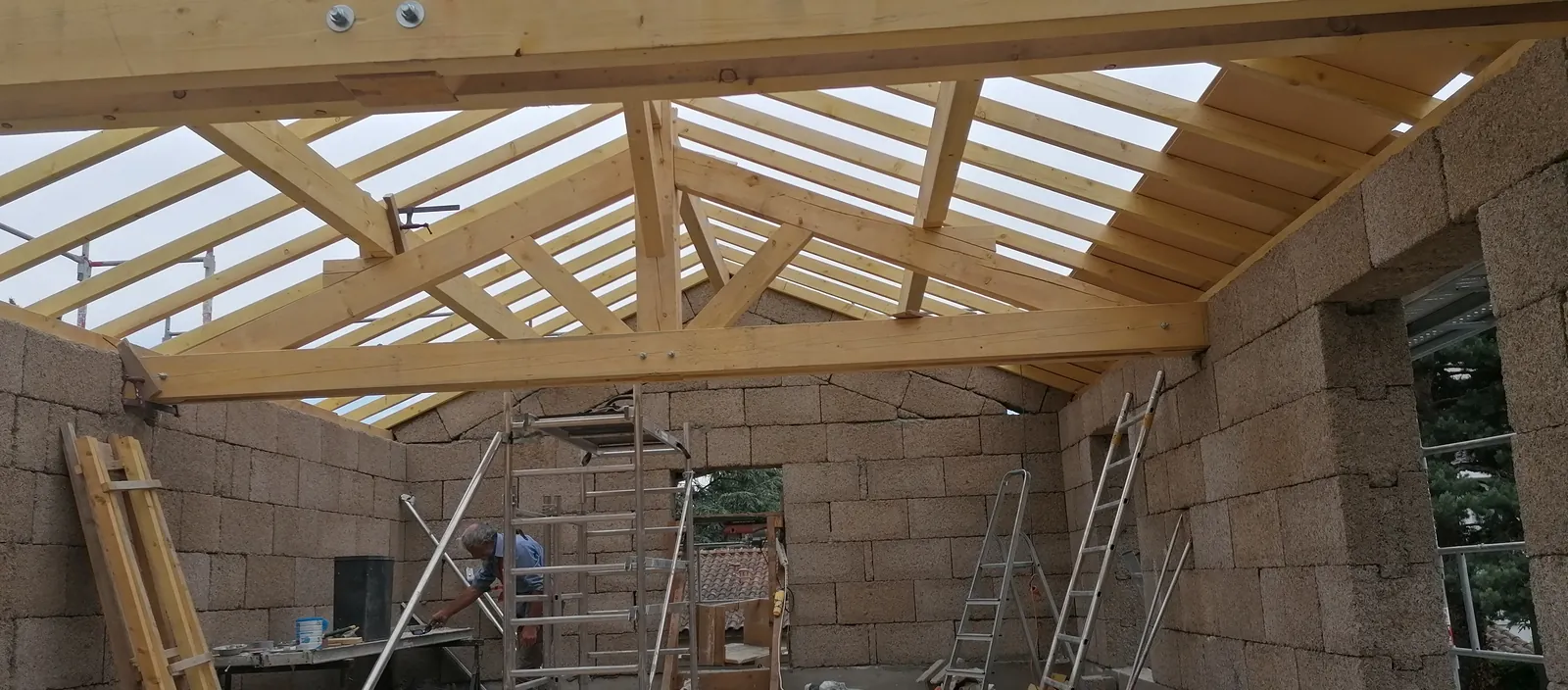
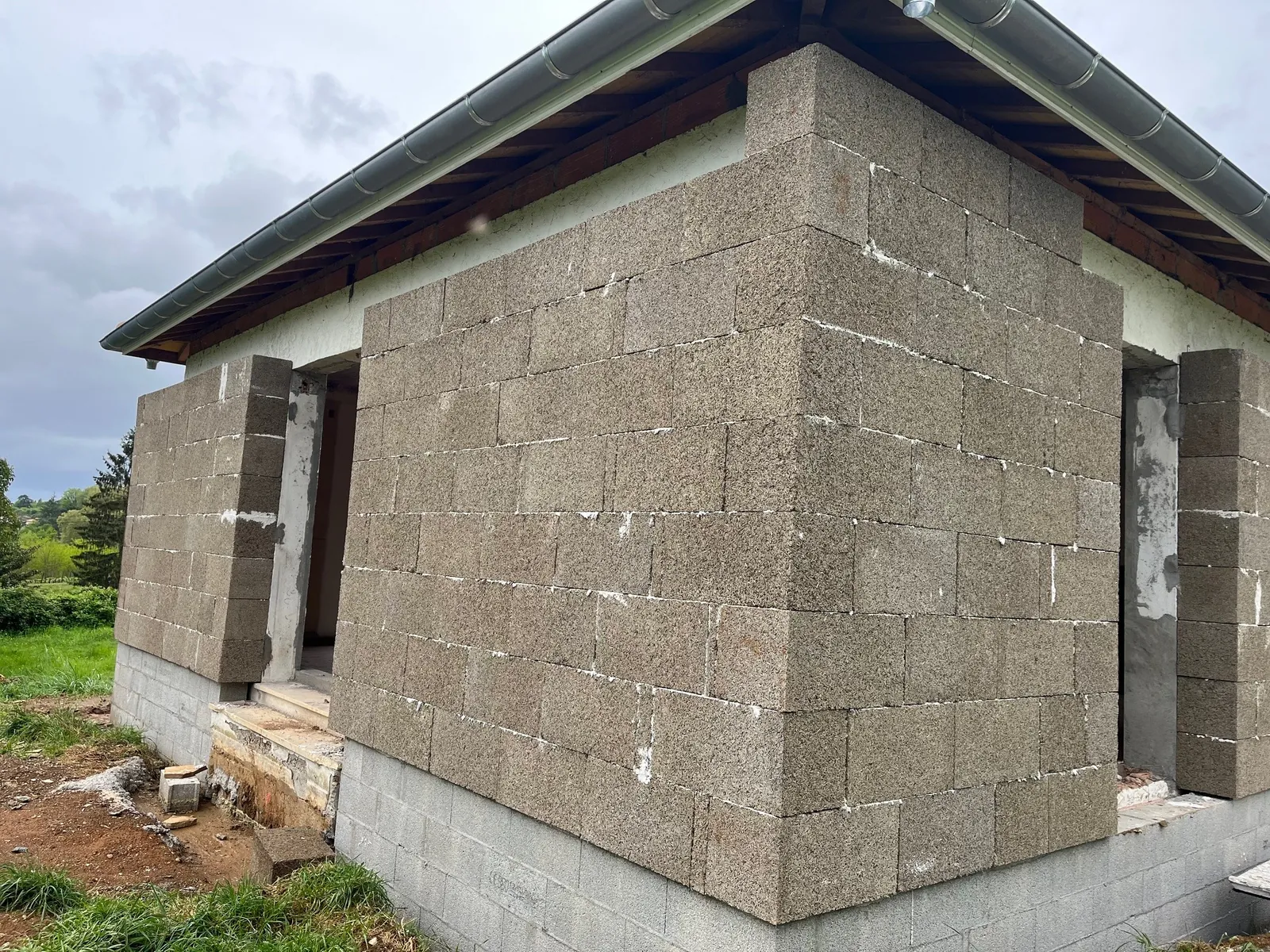
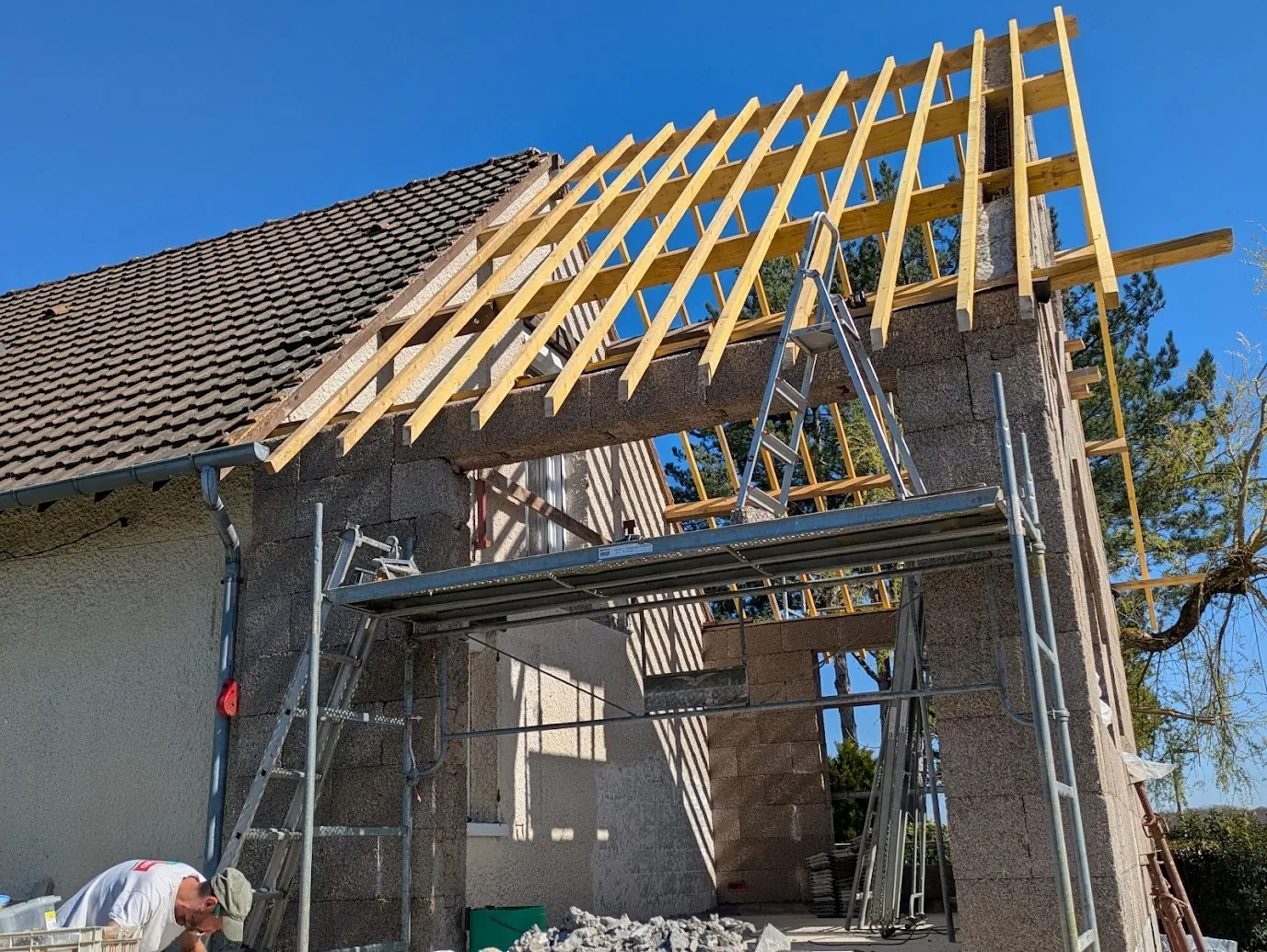
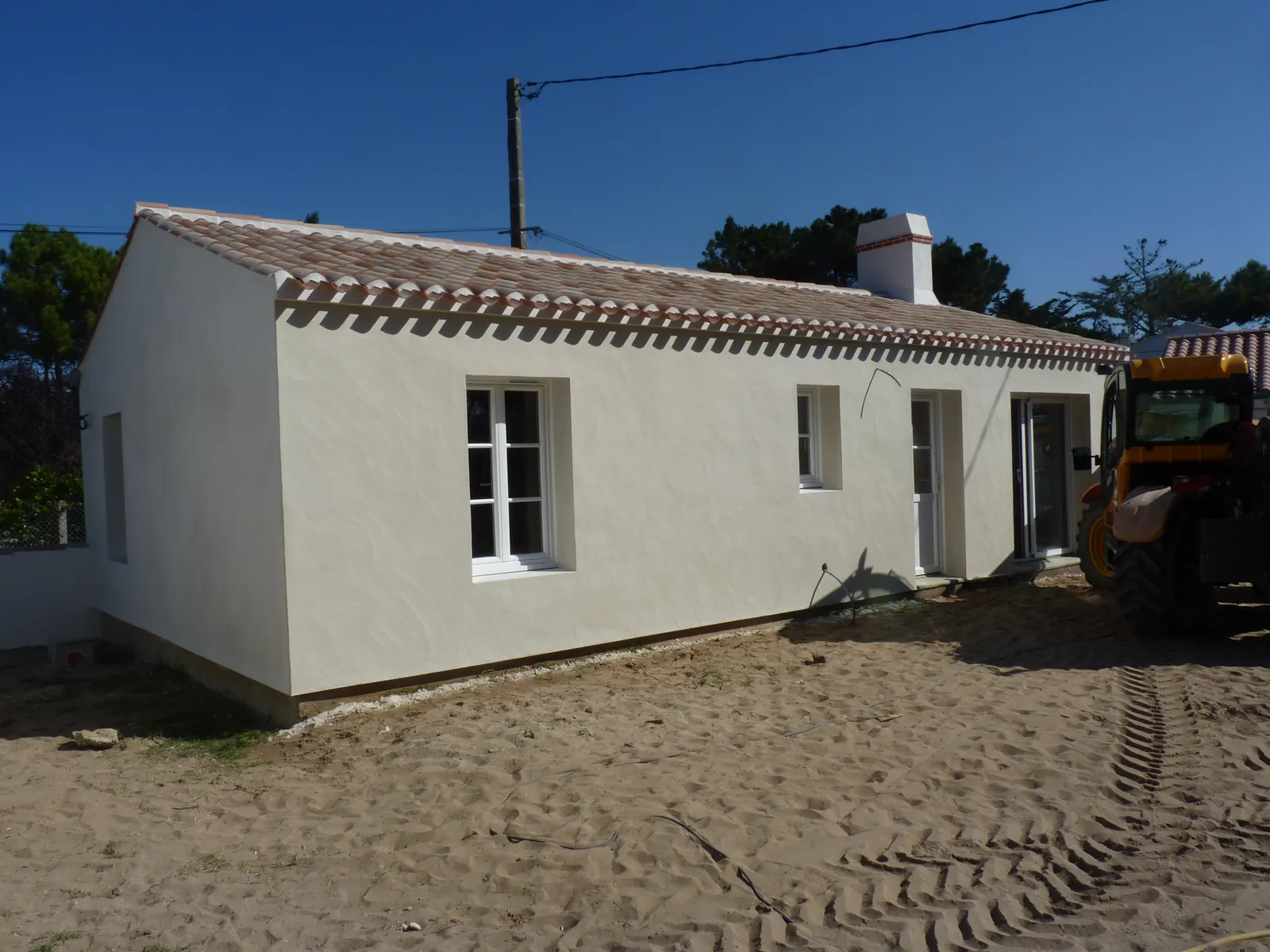
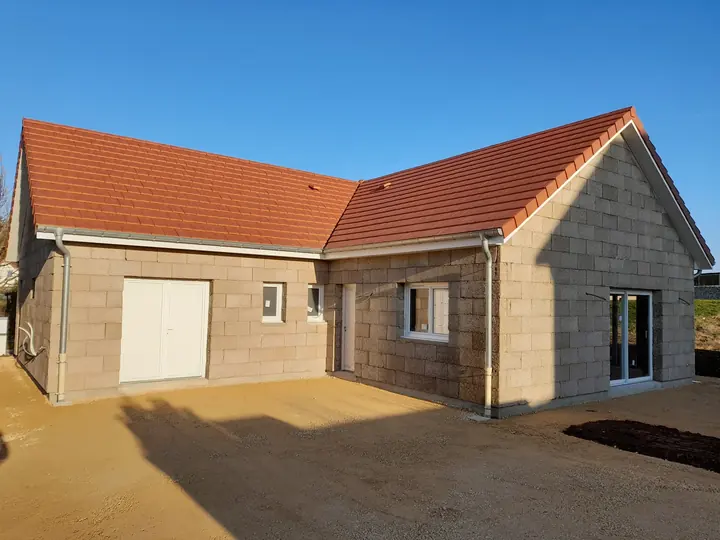
L-shaped single-storey house built with BIOSYS blocks, tiled roof in place

New build

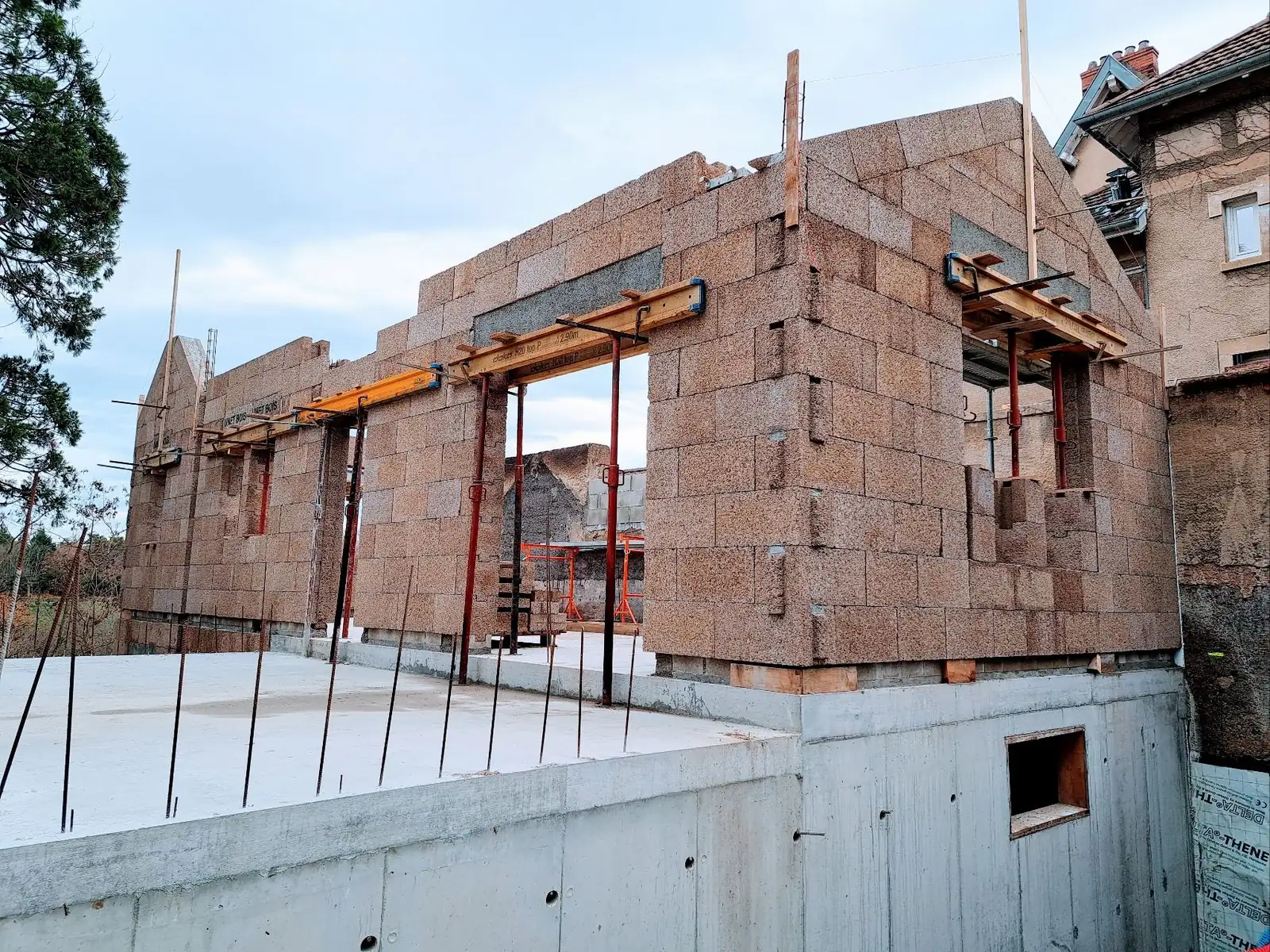
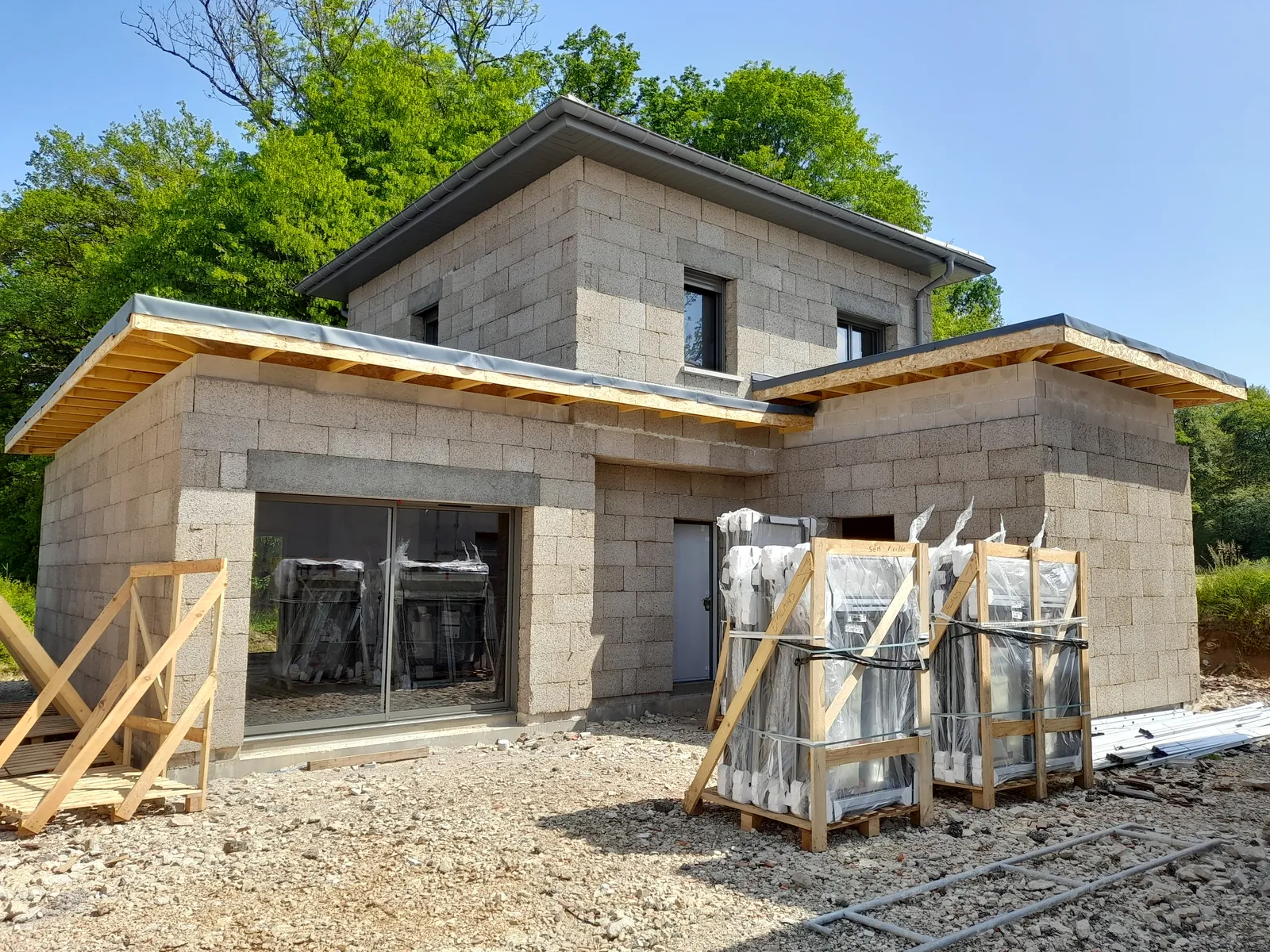
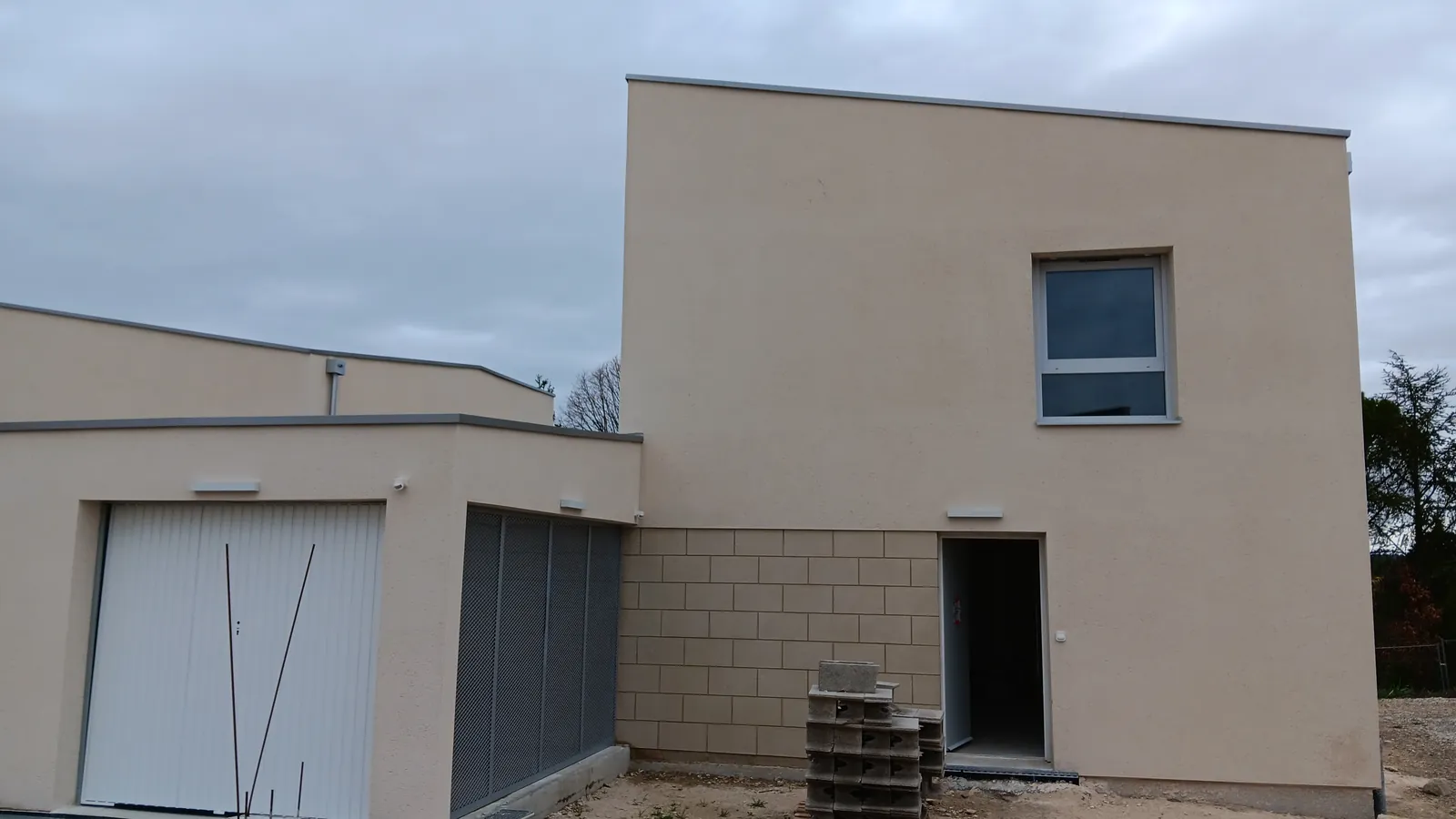
Build directly in hempcrete with the BIOSYS system. The tongue-and-groove blocks interlock dry, with no adhesive or mortar, and act as insulating permanent formwork and as infill for a reinforced concrete structure. Insulation and envelope go up in a single operation.
Recommended for: new houses, extensions, upward extensions, commercial and multi-unit buildings.
Internal insulation diagram: MULTICHANVRE blocks tied to the supporting wall with brackets, then plastered
Cross-section

Internal lining, layer by layer

  • Supporting wall: old stone or rammed-earth wall, concrete blocks or bricks
  • Hempcrete blocks: laid with staggered joints against the wall
  • Connecting brackets: 2 brackets per m² to secure the lining
  • Laying: with a notched trowel, adhesive or mortar
  • Plaster: lime, gypsum or raw earth interior finish
Choose my thickness
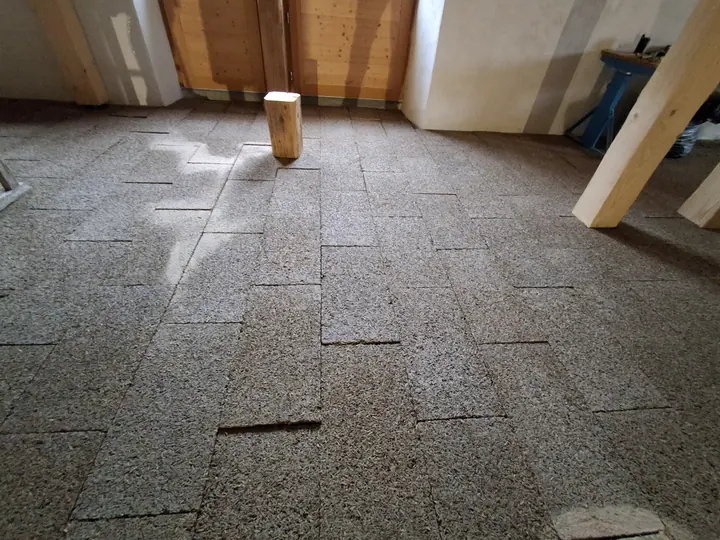
Floor insulation with MULTICHANVRE blocks laid edge to edge

Floor insulation

On a ground-bearing slab or a beam-and-block floor, laid edge to edge, then covered with a screed (with or without underfloor heating) or a floor deck.

MULTICHANVRE block partition wall under a timber floor

Internal partition walls

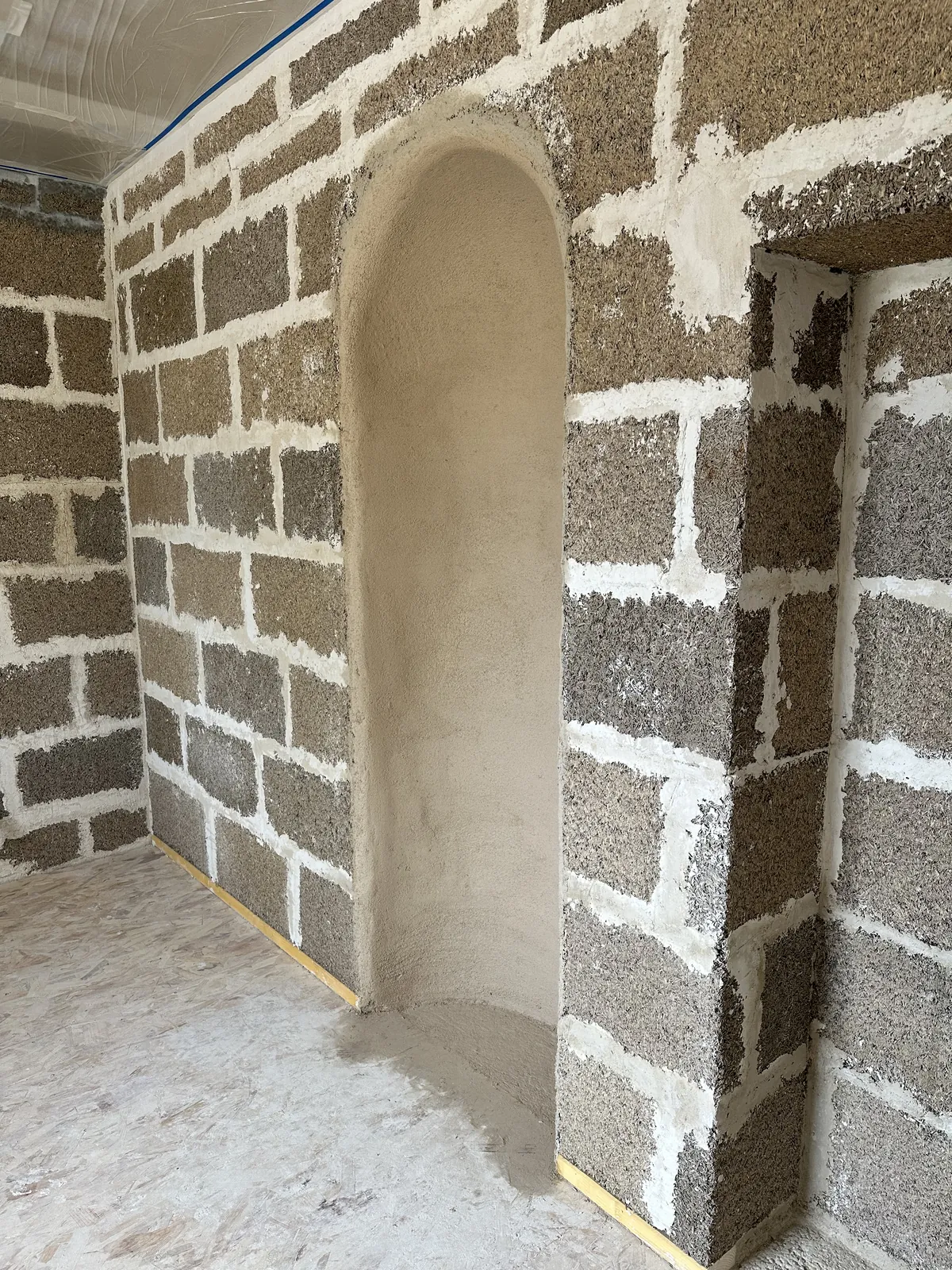
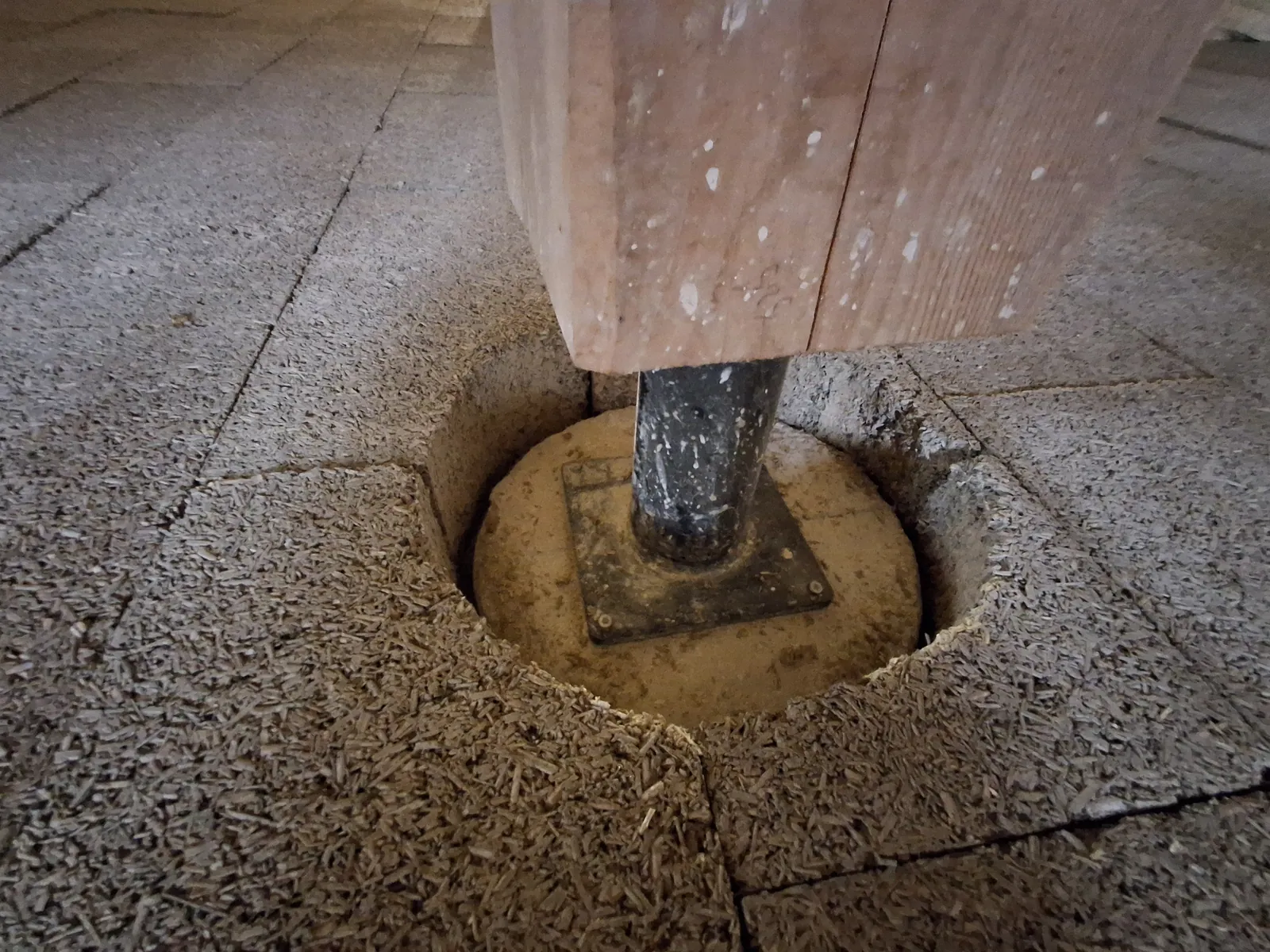
Separate rooms with a partition wall that provides both thermal and acoustic insulation, with built-in door sets.

Laying hemp blocks as timber frame infill

Frame infill

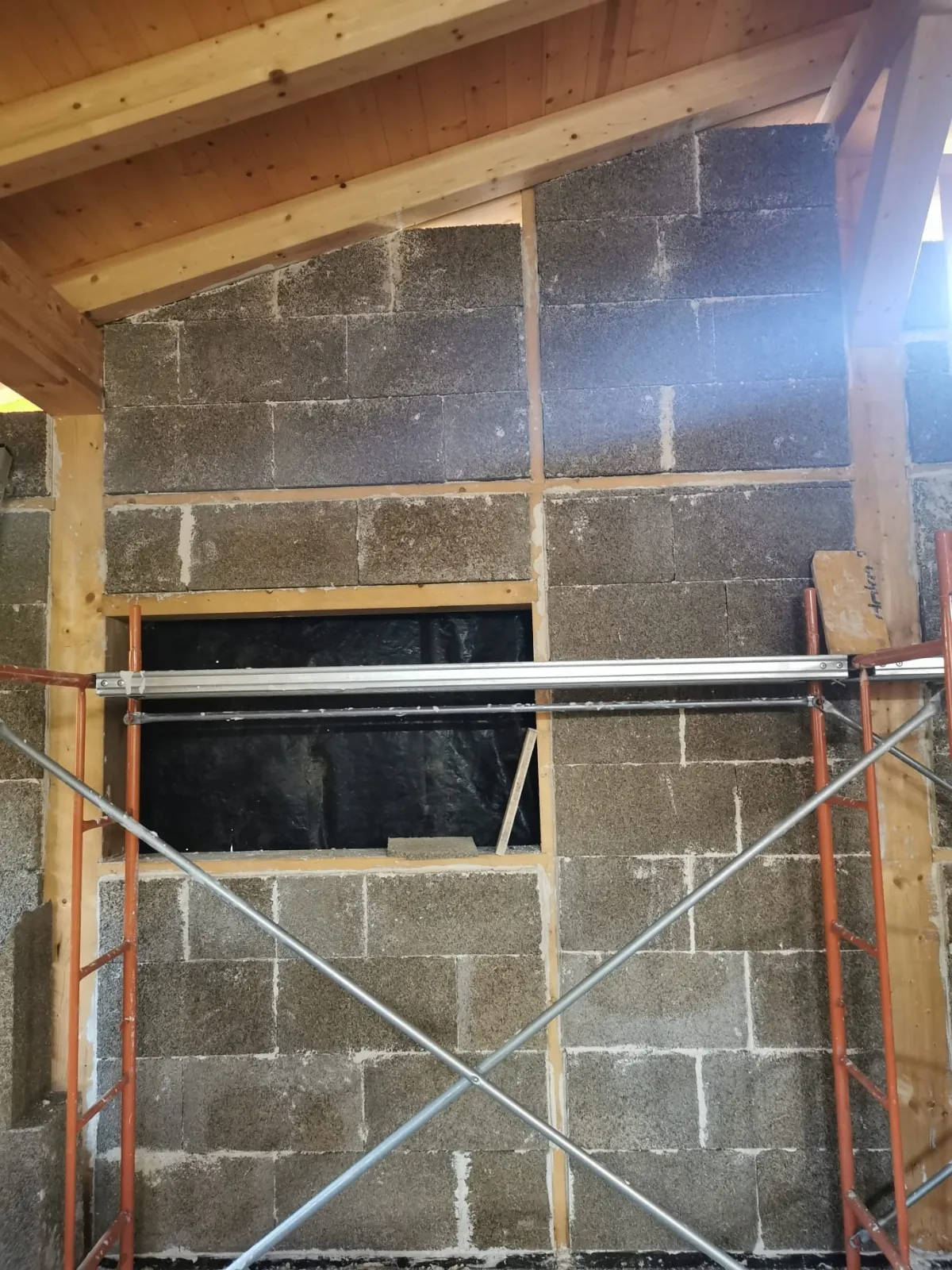
The blocks fill an existing timber frame, in new builds and extensions alike.

In pictures

Every application, on site
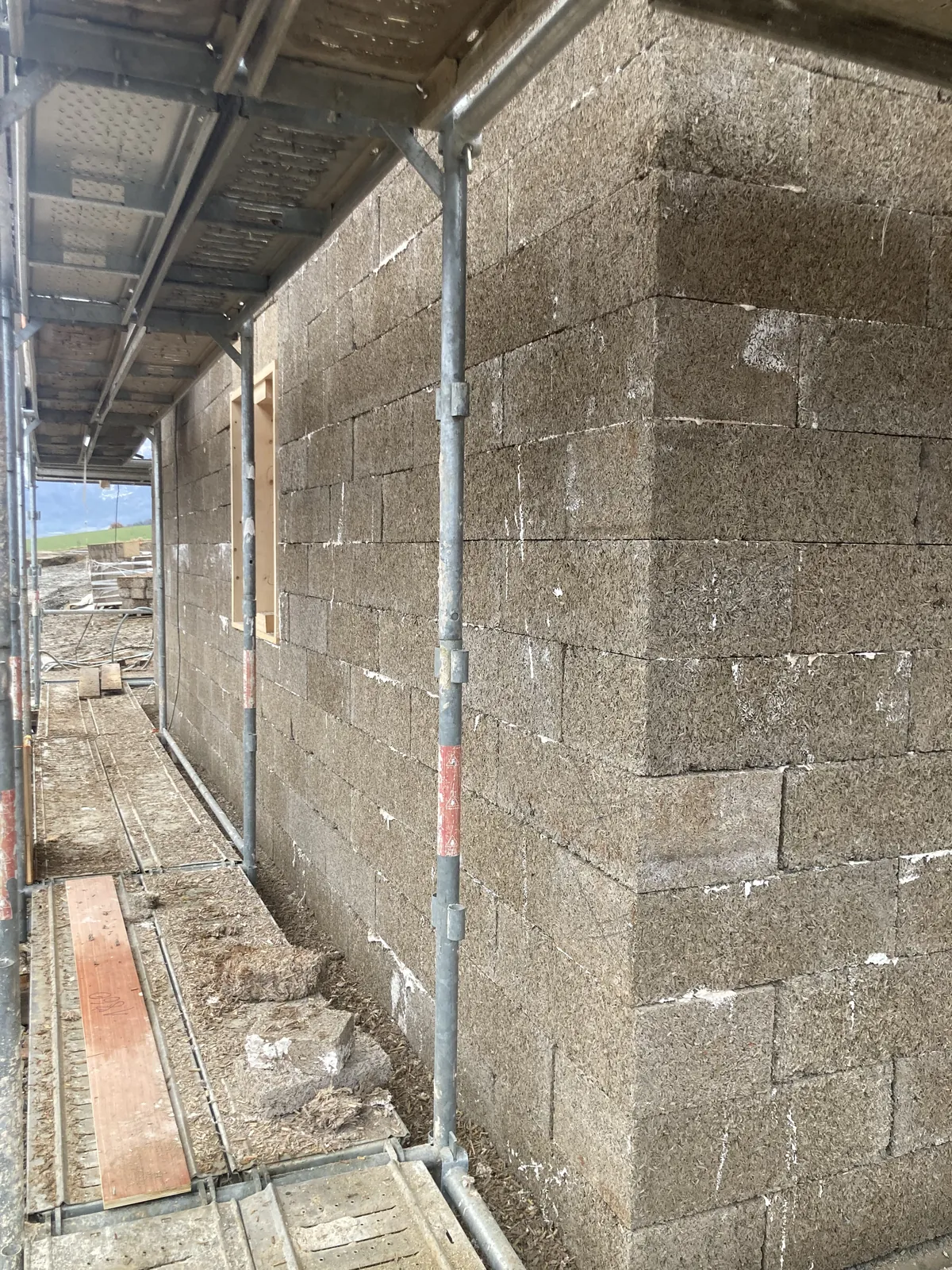
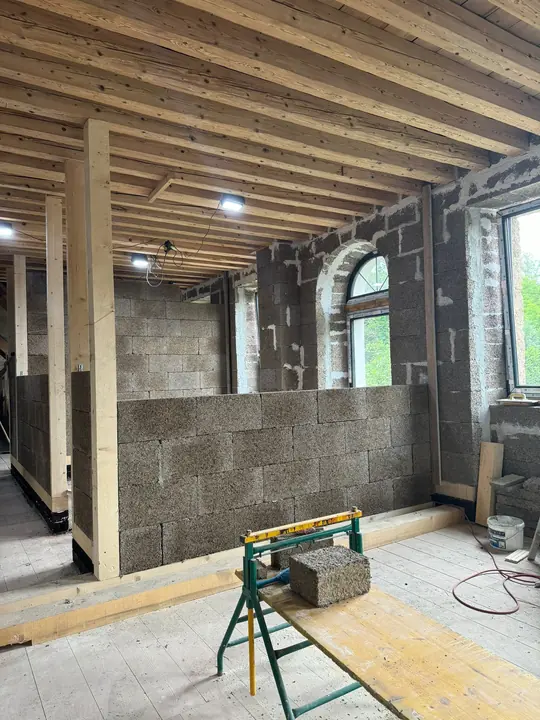
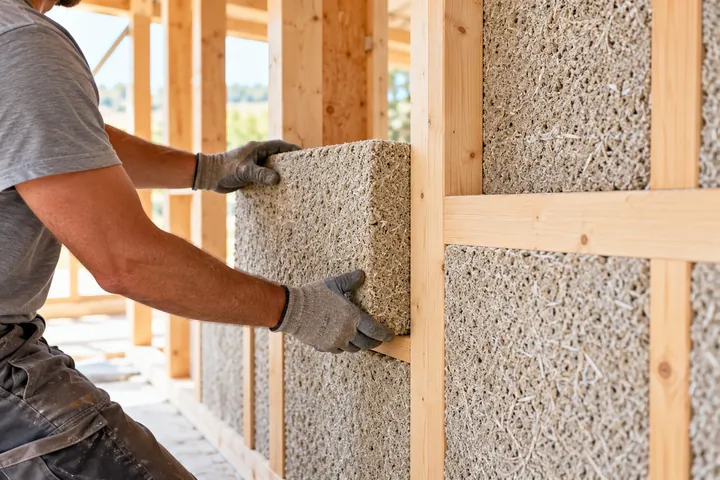
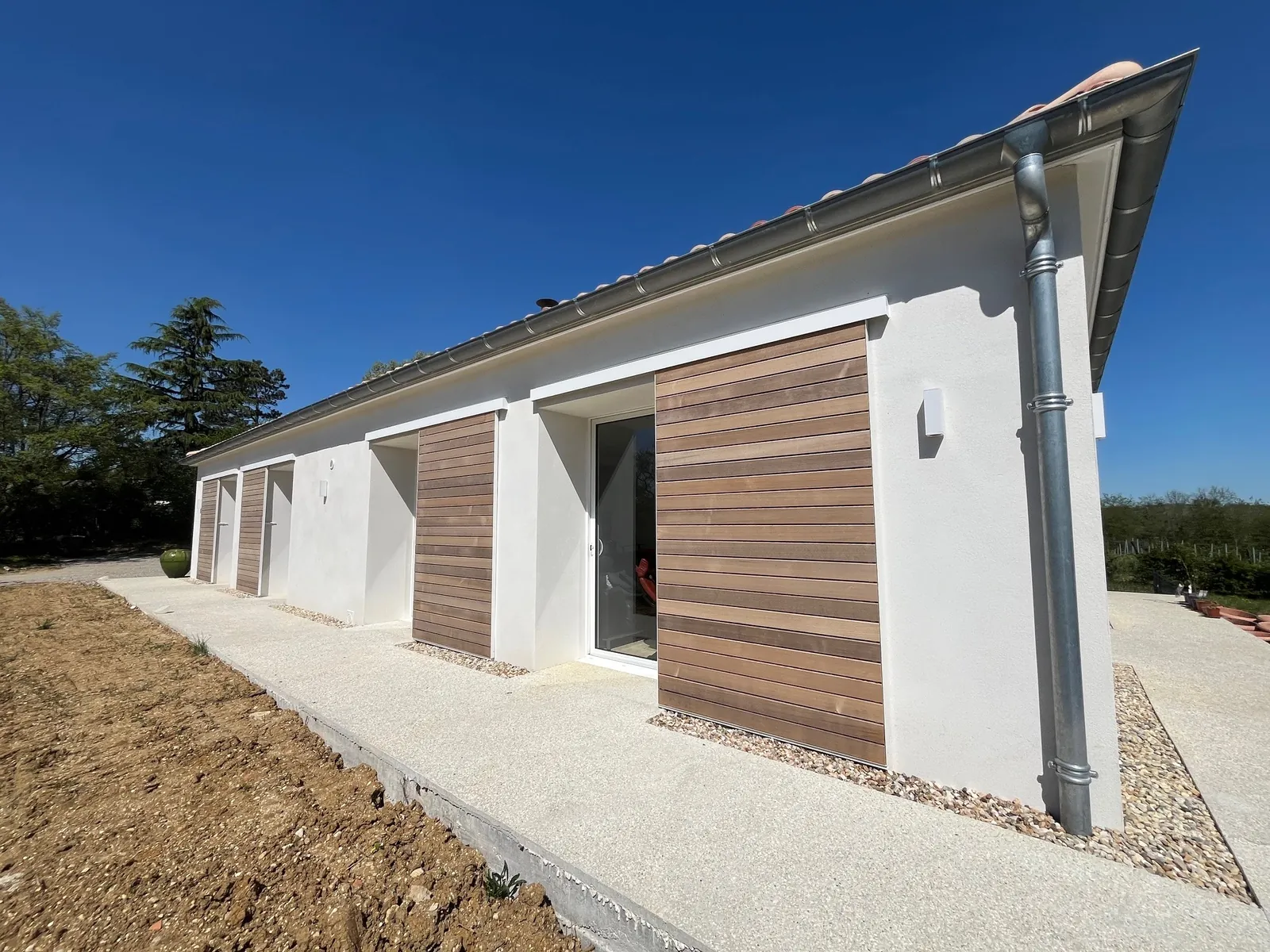
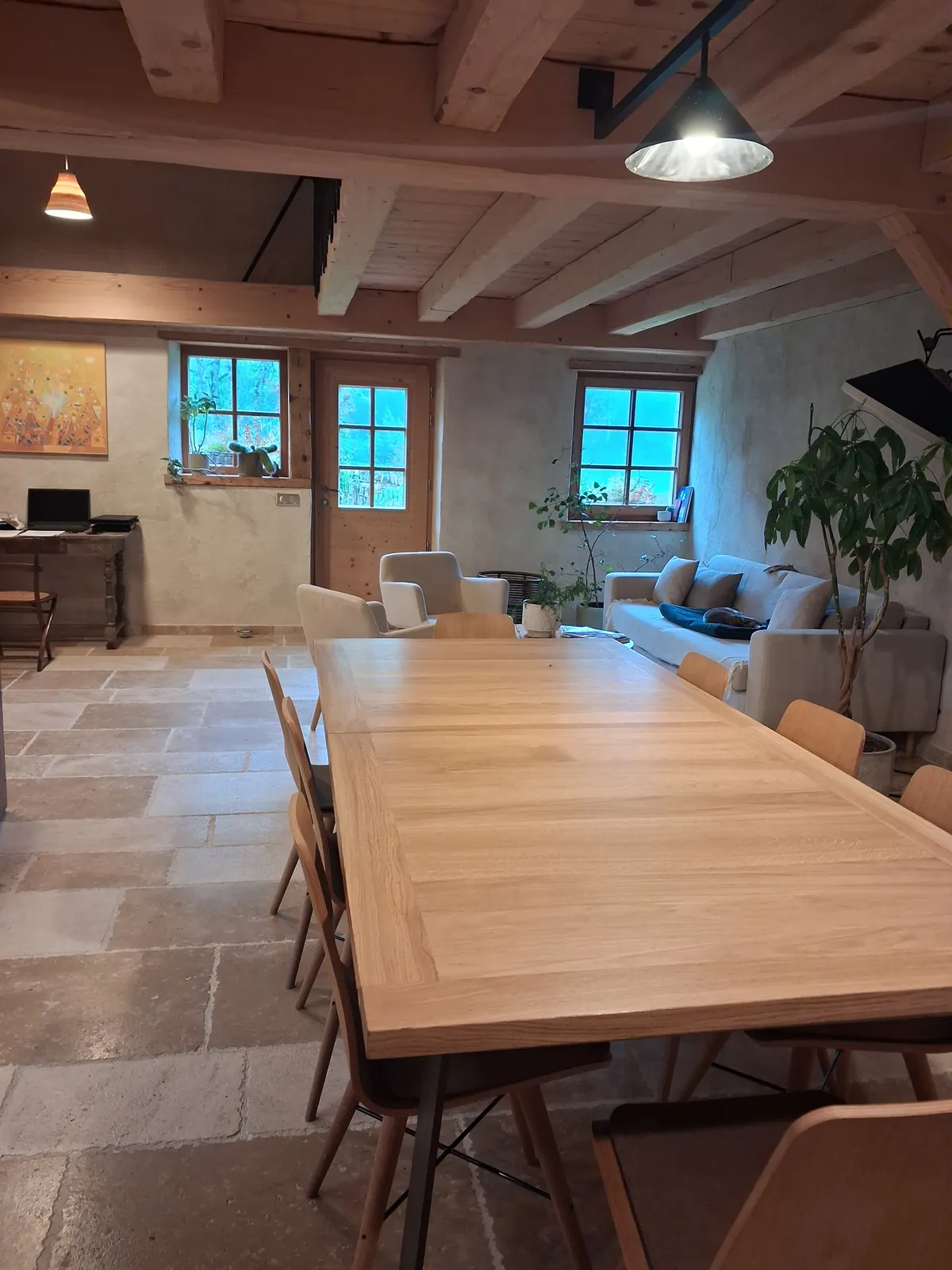
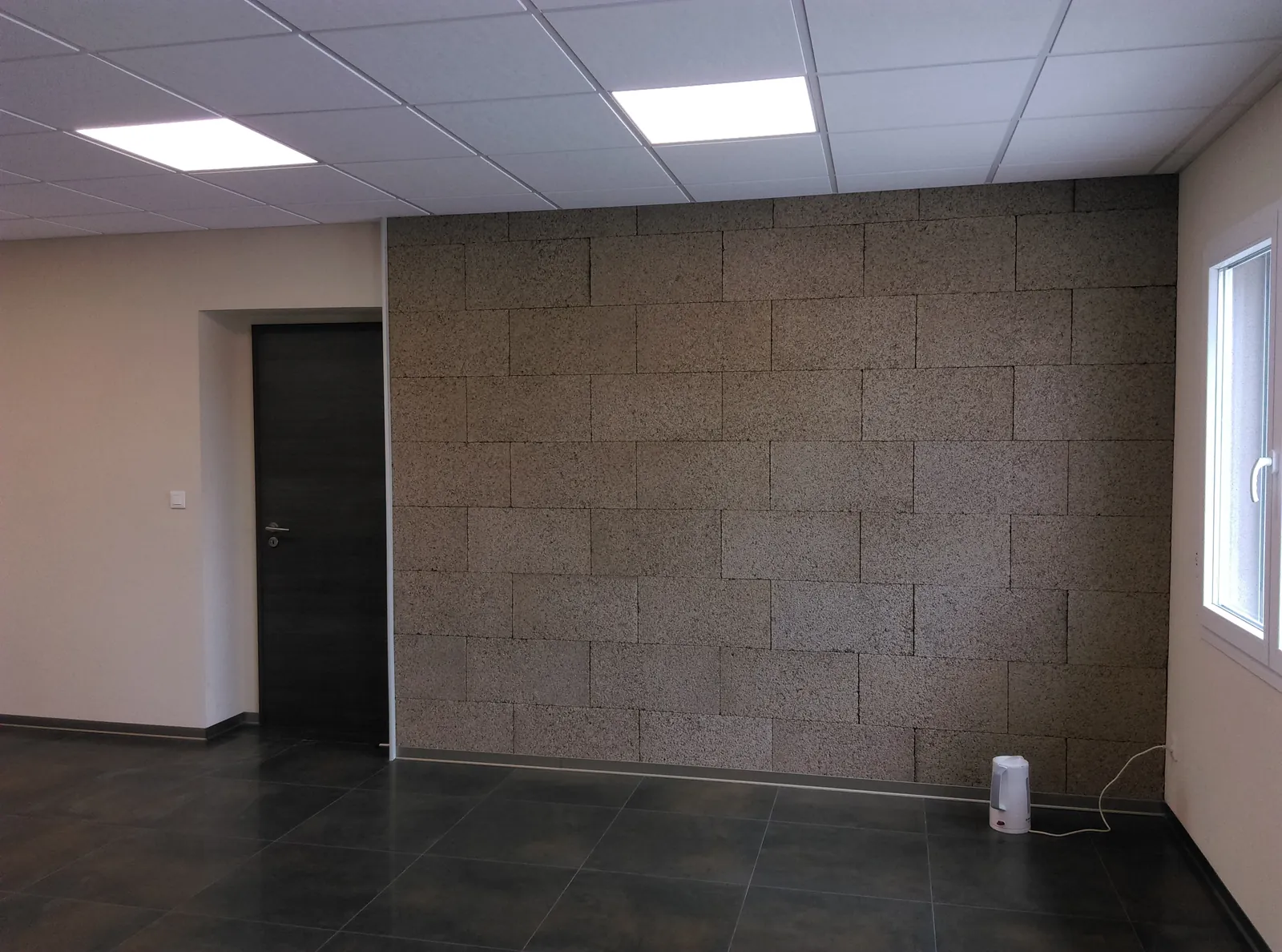
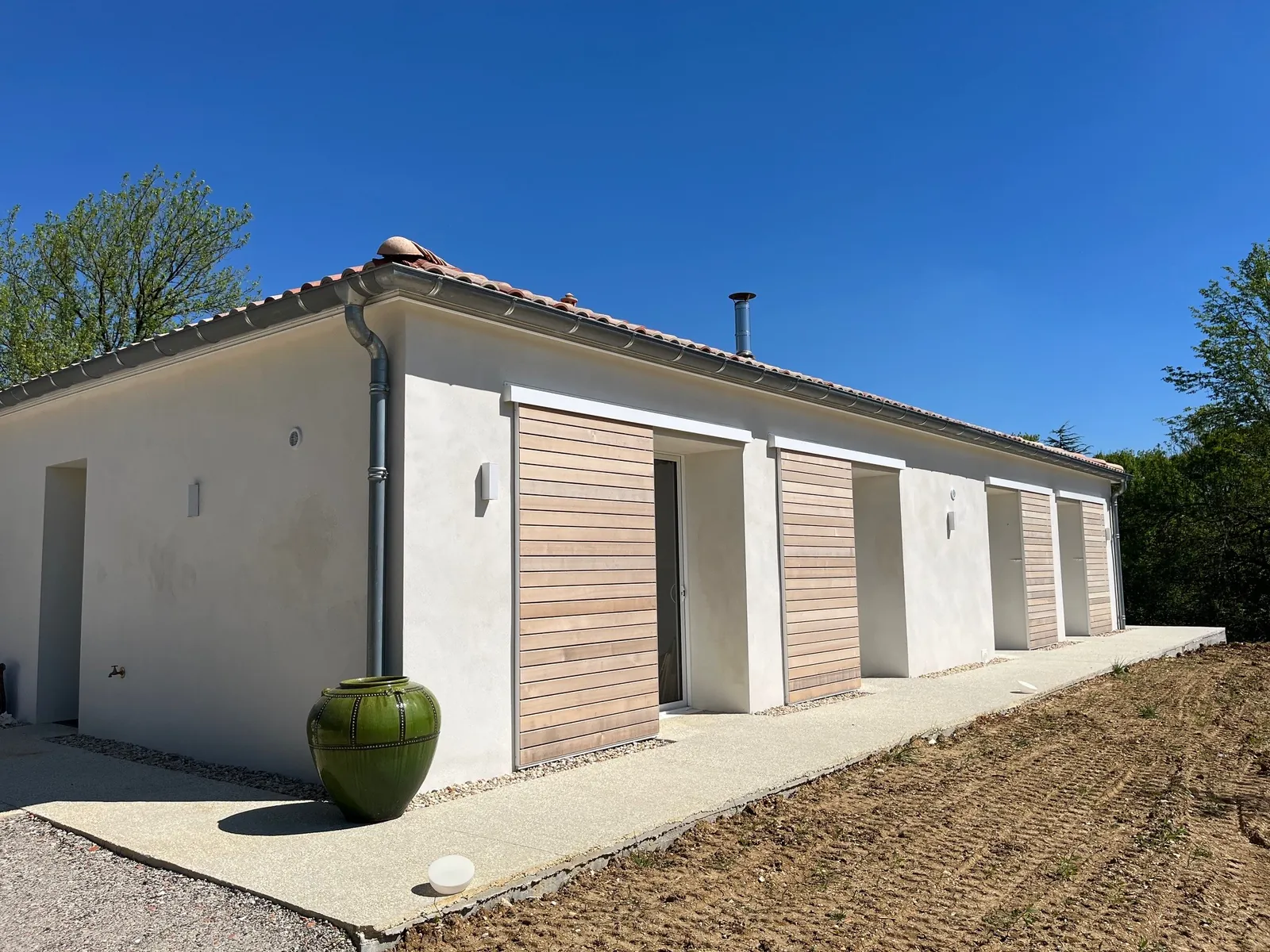
Single-storey house in Le Tourne with hemp block external wall insulation, white render and timber claddingDining room of the renovated farmhouse in Longemaison, lime-plastered hemp walls under exposed beamsStructural work on the extension in Charbonnières-les-Bains: BIOSYS block walls on a concrete basement, lintels proppedAdditional storey in Valence: hemp block walls and timber roof structure being installedStone wall lined with MULTICHANVRE blocksLaying a MULTICHANVRE block against a stone wallBrick wall lined with MULTICHANVRE blocksExternal wall insulation of a house with MULTICHANVRE blocks, before renderingExternal wall insulation of a house with MULTICHANVRE blocksMULTICHANVRE block façade built from the scaffoldingMULTICHANVRE block partition wall with an arched openingMULTICHANVRE floor blocks cut around a columnTimber frame gable infilled with MULTICHANVRE blocksContemporary house in BIOSYS blocks, roofs in place and windows deliveredBIOSYS block extension next to an existing house, roof structure being installedCompleted single-storey BIOSYS block house with rendered façadesNew hempcrete social housing in Ruelle-sur-Touvre, rendered façadesOffice in the Mérey-sous-Montrond premises with an exposed hemp block wallInside a house in La Chevillotte: hemp block walls and metal rails before plasterboardRendered façades of a house in Le Tourne after external wall insulation with hemp

By project type

New house
Frame infill or BIOSYS construction.
Extension
Extend while staying thermally consistent with the existing building.
Renovation
Insulate and preserve older buildings, with IWI or EWI.
Commercial building
Offices, shops: comfort and healthy air.
Buildings open to the public
Reaction to fire B-s1,d0, a healthy material.
Agricultural
Technical premises and breathable buildings.
Multi-unit housing
Small apartment buildings and low-rise grouped housing.
Public facilities
Schools, community centres, sports complexes.
Wine-making buildings
Wine cellars and winemaking premises, with regulated humidity.

Suitability depends on the project. Sizing and regulatory compliance to be confirmed with our technical department.

Frequently asked questions

Hemp insulation: every use, question by question

Can hemp blocks be used for internal wall insulation?

Yes. MULTICHANVRE blocks are laid against the existing wall with lime-based mortar, then tied to the substrate with brackets, strap sections or fixing washers (2 to 5 per m²). All four thicknesses are suitable, from 10 cm (R 1.5) to 30 cm (R 4.6). Finish: sprayed plaster, lime, raw earth or plasterboard.

Can hemp be used for external wall insulation (EWI)?

Yes, in 10, 15, 20 or 30 cm. The continuous envelope greatly reduces thermal bridges and preserves the thermal mass of the existing walls. Outdoors, the finish is a lime render with full mesh reinforcement.

Can partition walls be built with hemp blocks?

Yes: the 15 and 20 cm thicknesses are suitable for partition walls, and the 30 cm for heavy partition walls. The mass and porous structure of hemp improve acoustic comfort between rooms.

Can hemp blocks be used in floors?

Yes, in 20 and 30 cm, for floors as well as for infill. Tell us about your floor so we can confirm the right thickness.

Can you build a new house with hemp?

Yes, with a load-bearing structure. The BIOSYS system acts as insulating permanent formwork and as infill for a reinforced concrete frame, for detached houses and small commercial buildings of up to ground floor plus one storey with a lightweight roof. MULTICHANVRE blocks can also fill a timber frame.

How do you run electrical conduits in a BIOSYS wall?

By chasing directly into the block, or within the inner lining wall.

Which application suits your project?

The MULTICHANVRE simulator or our advisers will point you to the right solution.

Launch the simulator Request a quote