Hemp blocks and moisture in the home: complete technical guide
Hemp blocks naturally regulate indoor humidity thanks to their hemp shiv-based composition, providing hygrothermal comfort without always needing a vapour barrier. Suitable for internal and external insulation, partitions and floors, with precautions required in wet rooms.
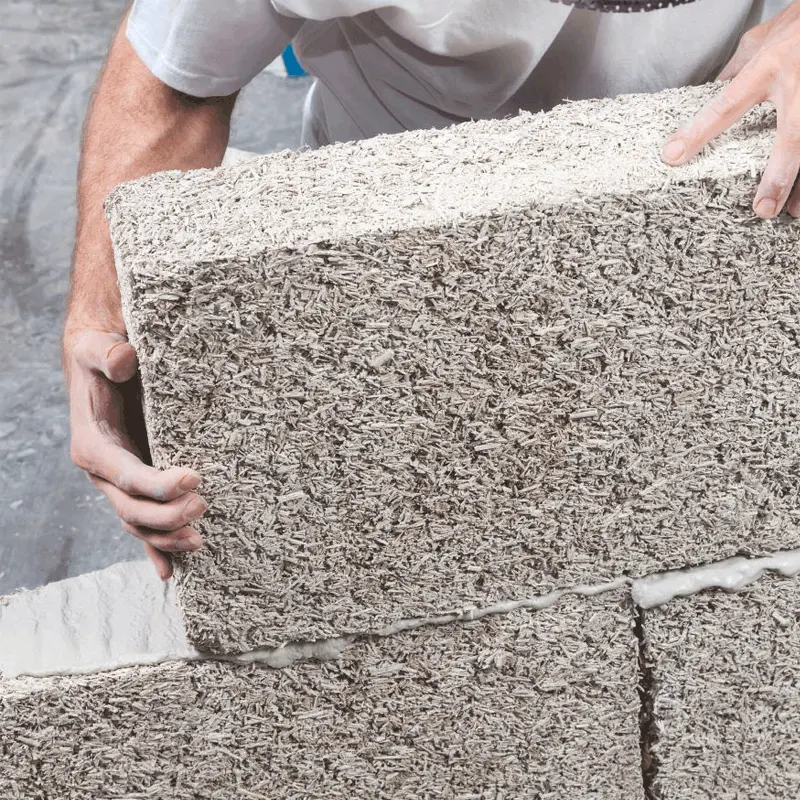
| Range | MULTICHANVRE |
|---|---|
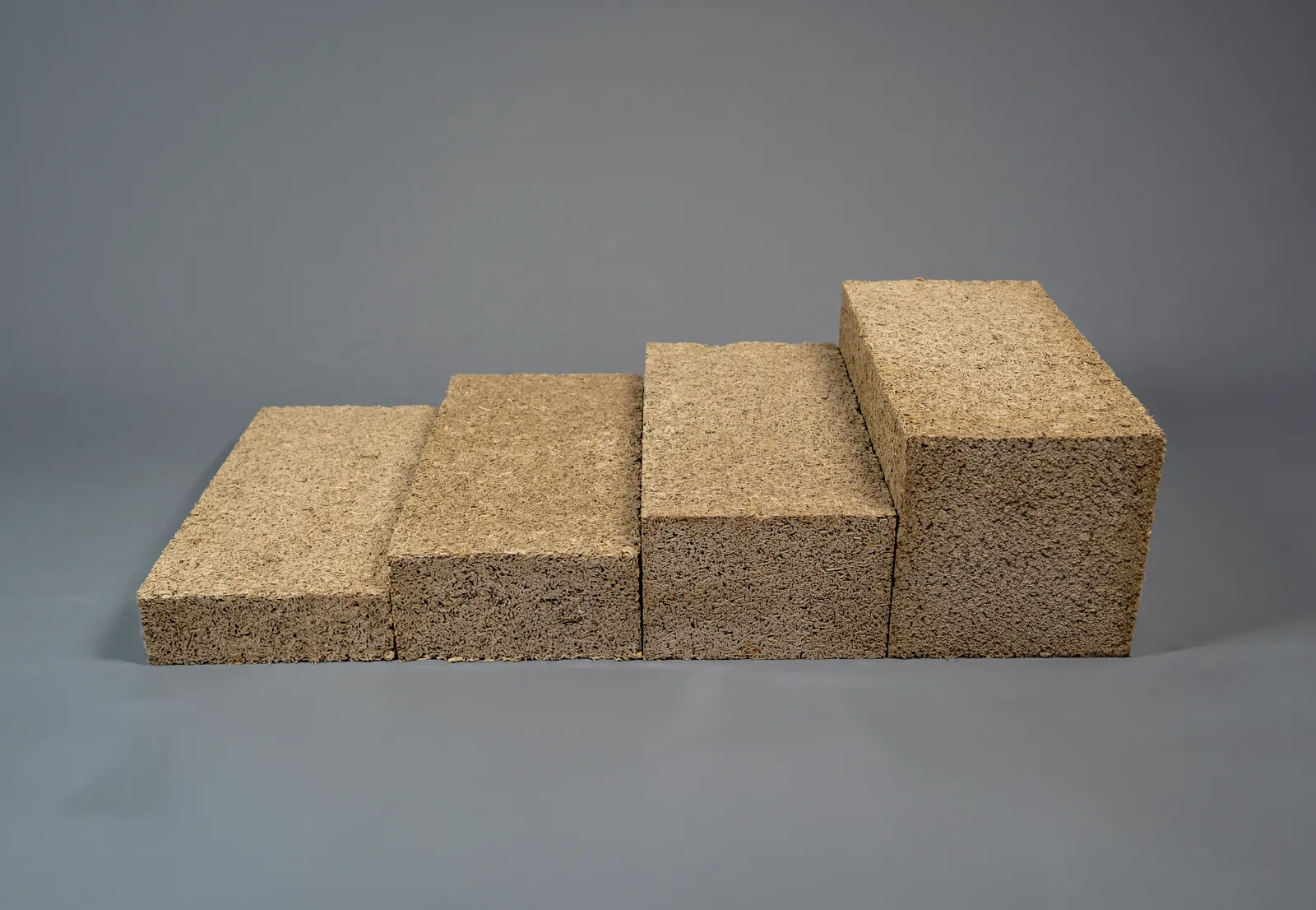
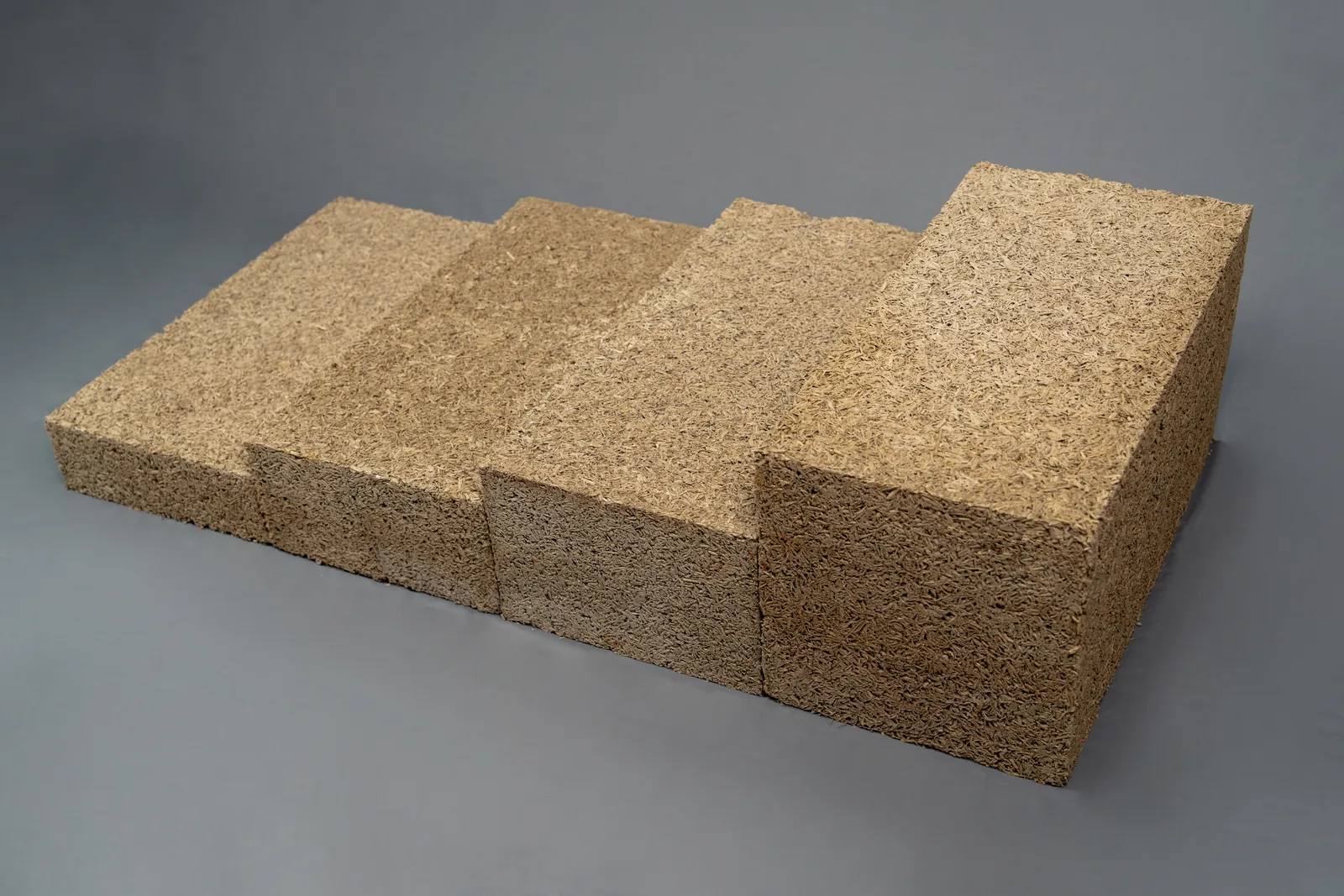
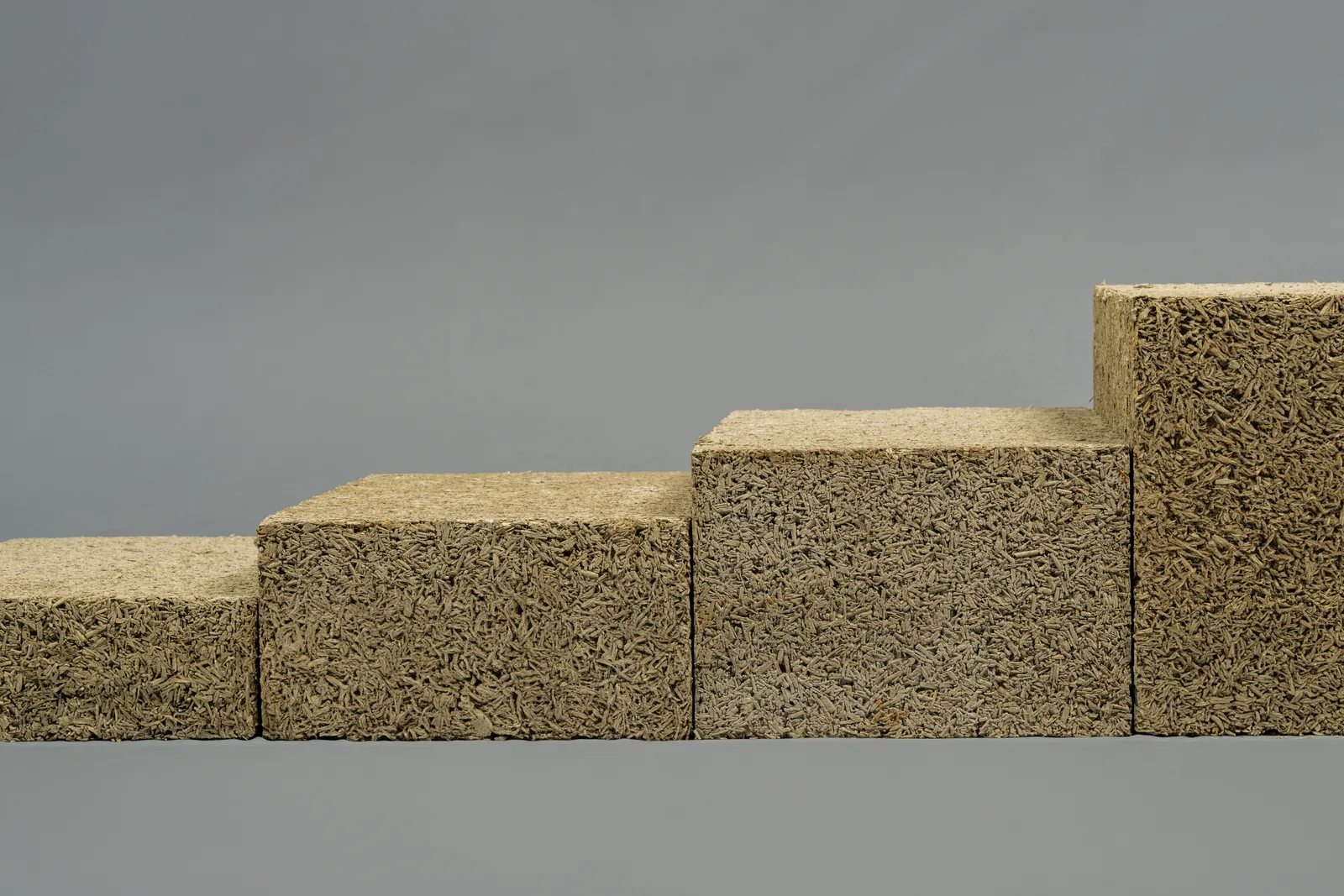
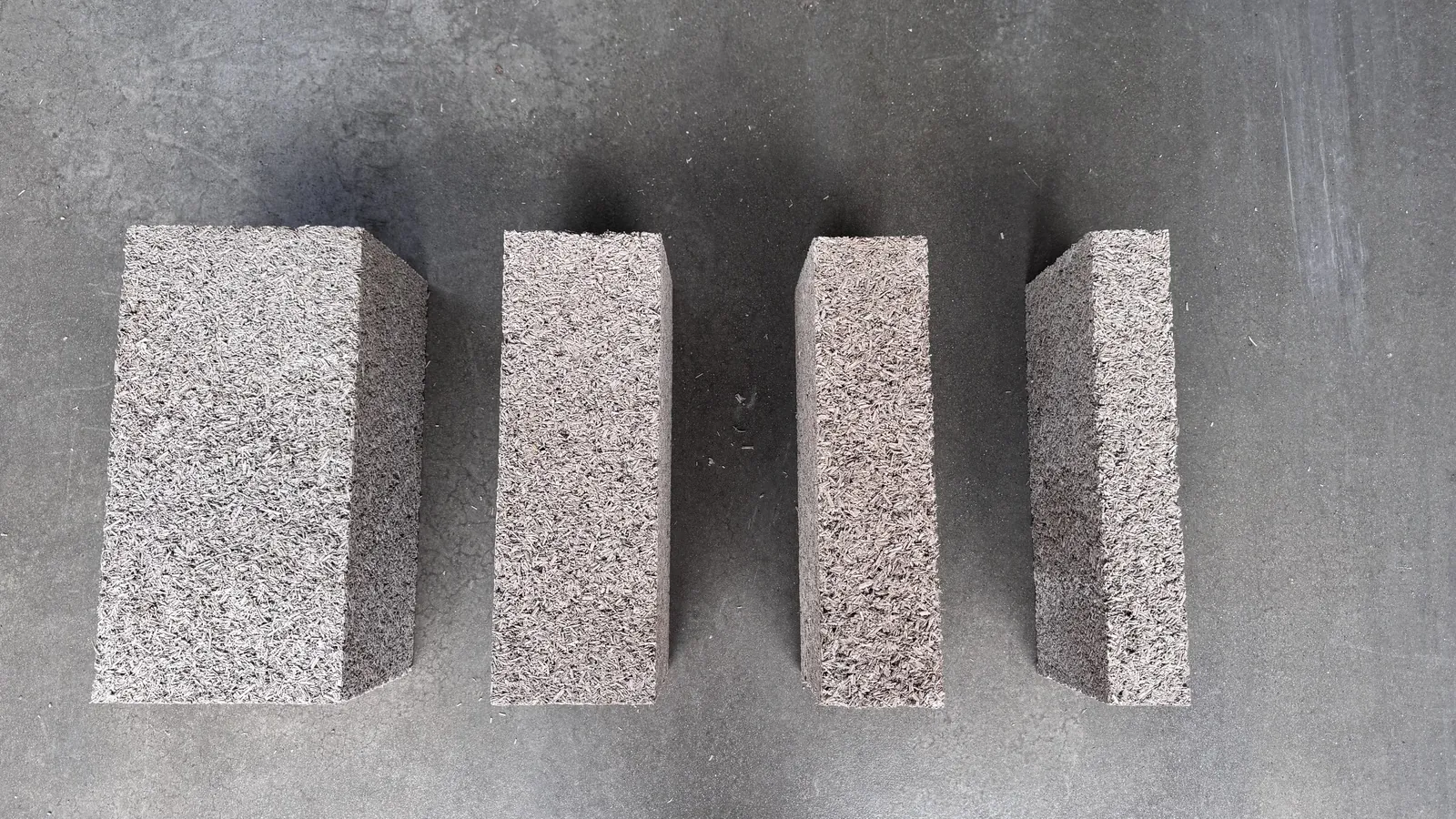
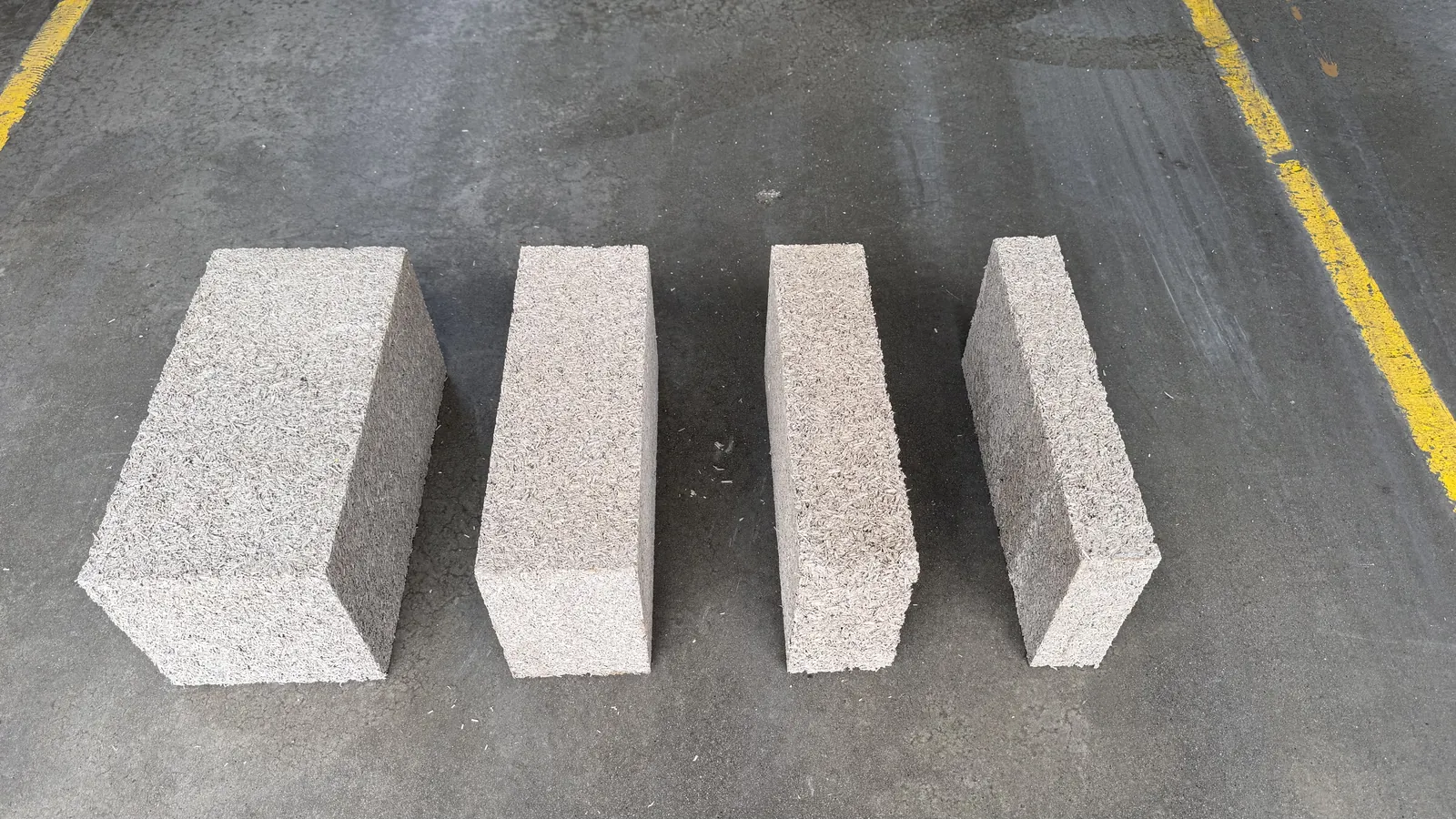
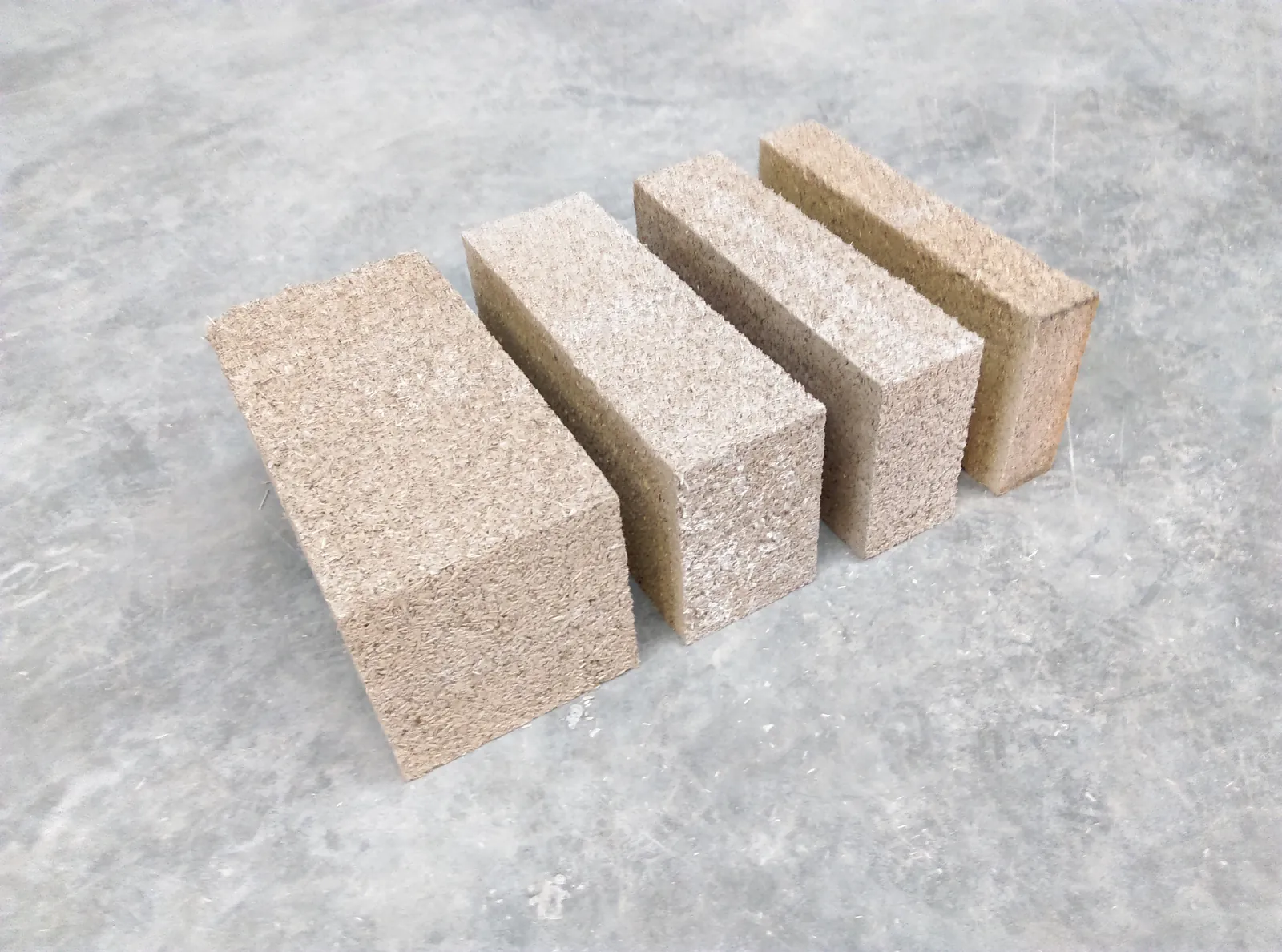
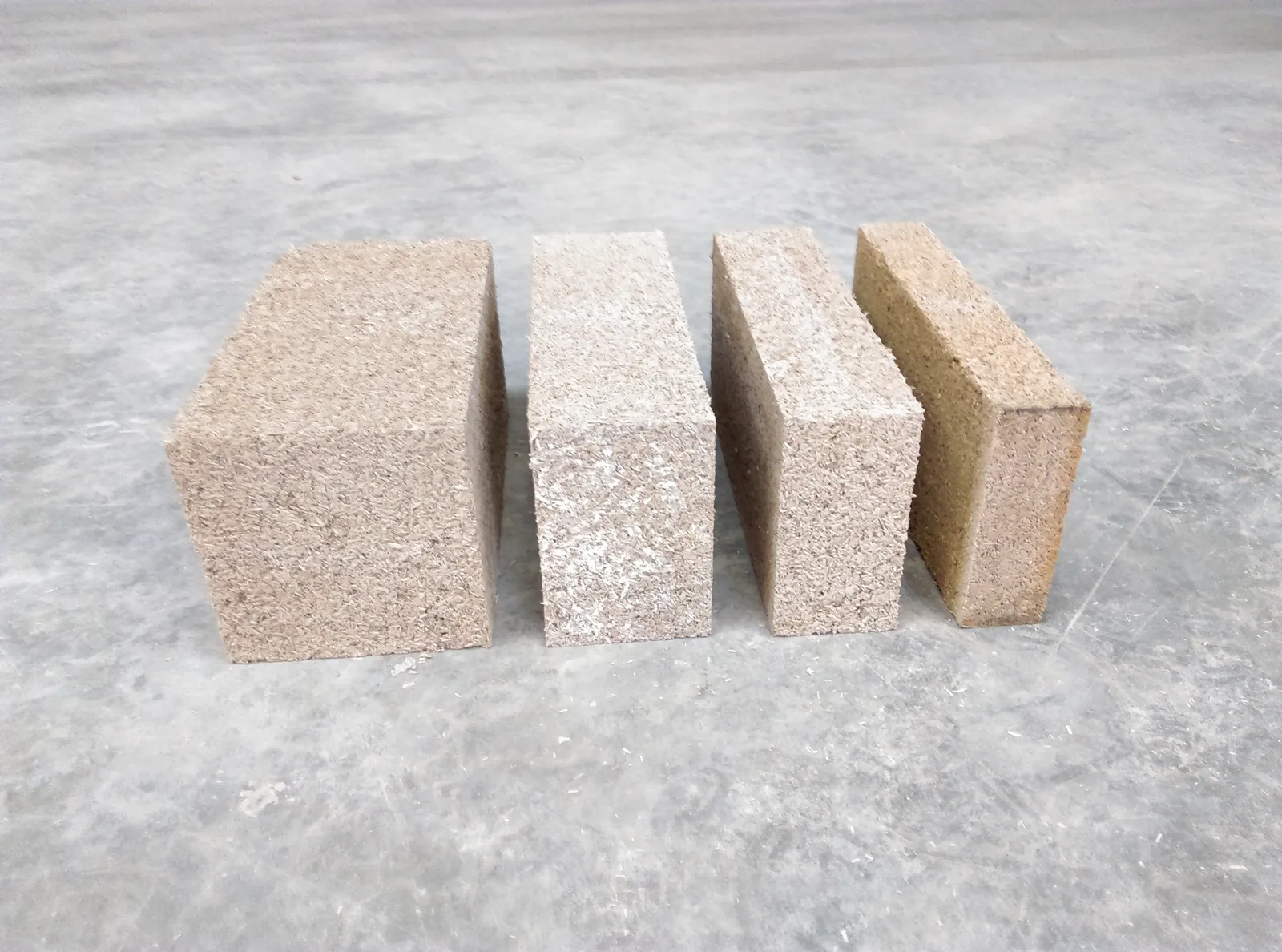
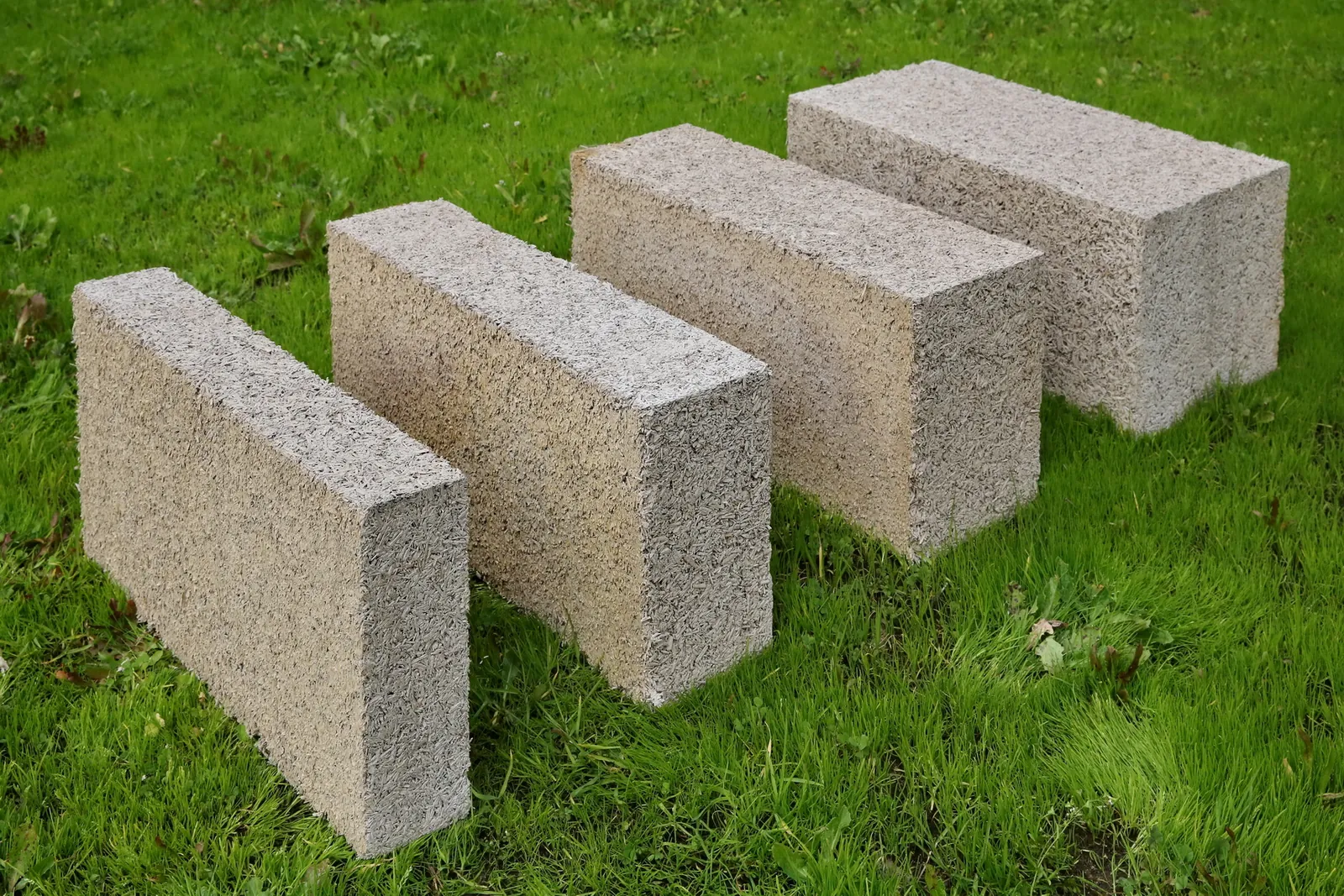
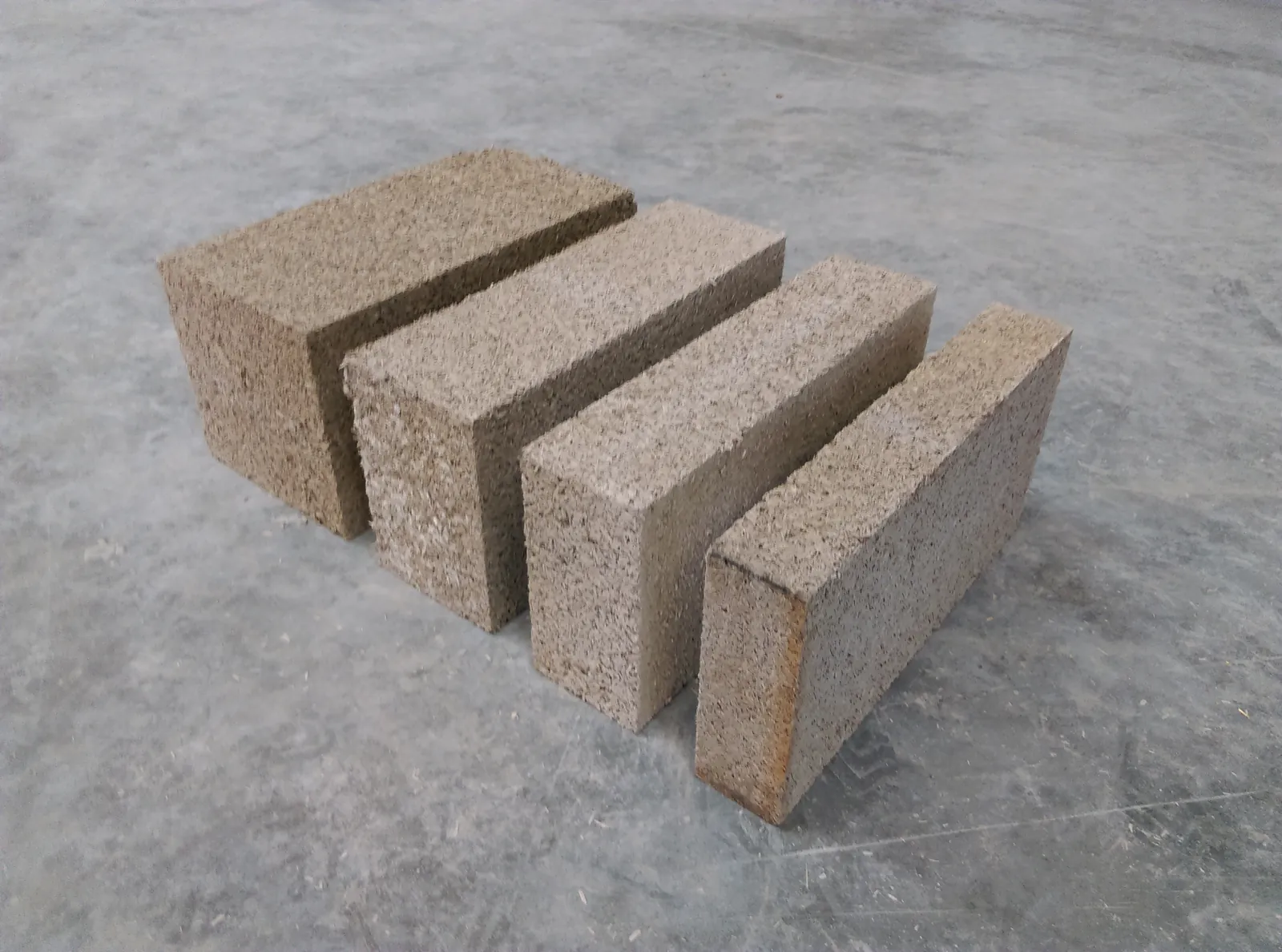
| Format | 60 × 30 × 10 cm, 60 × 30 × 15 cm, 60 × 30 × 20 cm, 60 × 30 × 30 cm |
| Thermal conductivity λ | 0.065 W/(m.K) |
| Density | ≈ 300 kg/m³ |
| Thermal resistance R | Dry R 1.5 to 4.6 m².K/W depending on thickness |
| Installation | IWI, EWI, partitions, floors, timber frame infill |
Hempcrete blocks naturally regulate indoor humidity thanks to their formulation based on hemp shiv, providing hygrothermal comfort without always requiring a vapour barrier. Suitable for internal and external insulation, partitions and floors, with precautions needed in wet rooms.
Hemp properties in relation to moisture
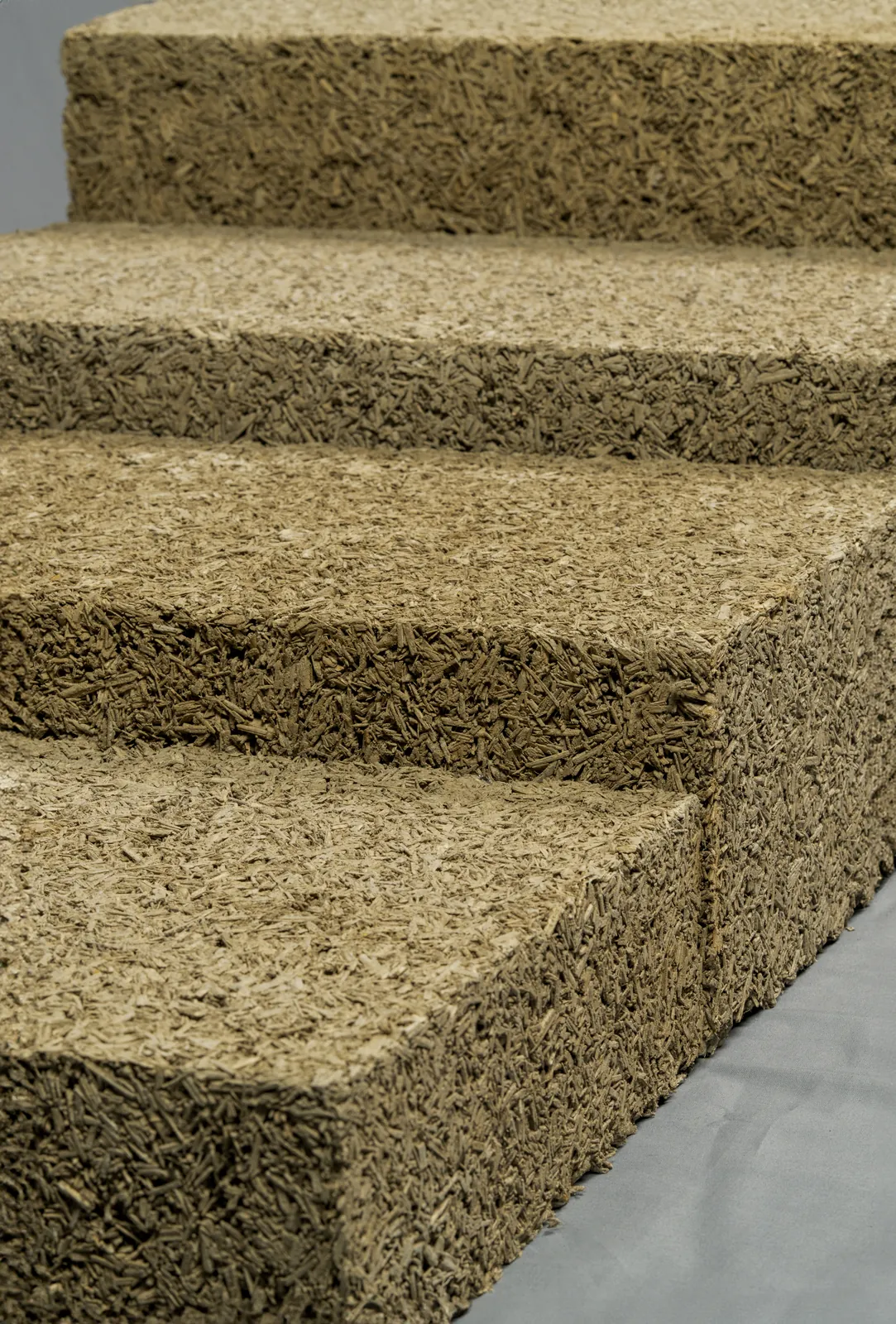
- Hempcrete blocks are made up of 84% hemp shiv—the woody core of the hemp stem—combined with a vapour-open hydraulic binder known as Vicat natural prompt cement. This formulation ensures high water vapour permeability.
- This permeability allows for natural humidity regulation, meaning the block absorbs and releases moisture in response to ambient changes, helping maintain indoor comfort without water build-up.
- Hemp absorbs a significant amount of carbon during growth, which remains locked in the block, contributing to carbon sequestration in the finished material.
- The block is naturally resistant to rodents and pests, thanks to its composition and the alkaline environment of the hydraulic binder.
- The product is rated B-s1,d0 for fire reaction, indicating low smoke emission and no flaming droplets in the event of fire. For the BIOSYS system, fire resistance is rated EI 90.
How moisture affects thermal performance and comfort
- By regulating indoor humidity, hempcrete blocks help maintain an optimal hygrothermal environment, improving occupant comfort.
- The thermal lag of the block helps modulate temperature, especially in summer, by delaying heat transfer into the building. For the MULTICHANVRE range, this lag varies from 6.1 to 18.5 hours depending on thickness.
- It is essential that at least one face of the wall remains open to liquid water and vapour transfer to ensure this regulation. A completely sealed wall may limit this function.
- In wet rooms, appropriate protection must be provided, as direct exposure to water can affect performance and durability.
- Excessive moisture can impact the mechanical strength of the block, although the material is naturally resistant to certain biological risks. Good design and installation are necessary to ensure durability.
For example, in a house located in a temperate zone with marked seasonal variations, hempcrete blocks help limit humidity peaks during damp periods and gradually release moisture when the air is dry. This dynamic prevents condensation on interior surfaces, reducing the risk of mould and discomfort. However, in a poorly ventilated bathroom, the block alone is not enough to manage constant humidity; a sealed lining and suitable ventilation are essential to protect the structure.
Using hempcrete blocks to manage moisture in the home
- MULTICHANVRE blocks are used for internal wall insulation (IWI), external wall insulation (EWI), partitions, floor insulation and timber frame infill, offering a solution suitable for a range of situations.
- Precautions are needed for walls exposed to water or in high-humidity rooms, such as bathrooms or utility rooms, where a specific lining is recommended.
- The blocks are not designed for use in roofs or loft slopes; the BIOSYS U-block is only for forming gable slopes in masonry.
- In damp areas, the block must be protected by a sealed and ventilated lining to prevent water-related deterioration.
For example, when renovating an older house, hempcrete blocks can be a good choice to improve insulation while preserving the breathability of the walls. However, it is necessary to assess the nature of the existing walls and sources of moisture to determine if a sealed lining is required. In a damp basement, for instance, the block can be used as a lining with a ventilated waterproof membrane to prevent rising damp. Conversely, for a wall exposed to driving rain without protection, a lime-based external render and well-sealed joints are essential.
Best practice for controlling moisture during installation
- MULTICHANVRE blocks are installed in three stages: apply a lime-based mortar (M.B.M. mortar) with a notched trowel, lay thin joints of about 3 mm in a staggered pattern with at least one third overlap, then mechanically fix to the substrate using brackets, straps or washers.
- The first course is laid on a 2 cm bed of waterproof mortar, providing a capillary break and levelling the base.
- Electrical services are chased directly into the block and drilled as needed; conduits and boxes are fixed and then filled with a product compatible with the finishing plaster.
- Maintaining open conditions for liquid water and vapour transfer is essential to ensure the block’s humidity regulation function.
A strict sequence of operations is recommended for optimal installation. Start by checking the substrate is level and watertight, then apply the waterproof mortar bed in a continuous layer. Next, lay the blocks, ensuring alignment and continuity of the thin joints, which provide both cohesion and vapour permeability. Mechanical fixings should be chosen to suit the substrate: brackets for lightweight frames, straps for traditional masonry, washers for spot fixing. For electrical services, plan chases in advance to avoid later interventions that could weaken the wall. Finally, finish with a compatible render, respecting drying times and applying in several coats if necessary to ensure protection and breathability.
A schematic illustration of a wall section with waterproof mortar bed and compatible renders can be found in our Hempcrete block installation guide.
MULTICHANVRE thickness comparison table and thermal properties
| Thickness (cm) | Dry R value (m².K/W) | Service R value (m².K/W) | Thermal lag (h) | Block weight (kg) | Pallet coverage (m²/pallet) | Recommended use |
|---|---|---|---|---|---|---|
| 10 | 1.5 | 1.4 | 6.1 | 6.5 | 21.6 | IWI and EWI |
| 15 | 2.3 | 2.1 | 9.25 | 10 | 14.4 | IWI, EWI and partitions |
| 20 | 3.0 | 2.8 | 12.3 | 13 | 10.8 | IWI, EWI, partitions, infill and floors |
| 30 | 4.6 | 4.2 | 18.5 | 21 | 10.08 | High-performance IWI and EWI, heavy partitions, infill and floors |
Compatible finishes and moisture protection
- For interiors, compatible finishes include lime render, spray plaster, earth plaster and plasterboard. These solutions help maintain vapour permeability and regulate humidity.
- For exteriors, lime-rich renders with full mesh reinforcement protect the wall while maintaining breathability.
- In areas exposed to water splashes or in wet rooms, protection is essential—for example, a plasterboard lining compliant with wet room standards.
- These finishes ensure the wall’s longevity and maintain moisture exchange properties without compromising the integrity of the block.
For example, in a kitchen or bathroom, applying a sprayed lime render to the hempcrete block effectively manages humidity variations and limits condensation stains. Externally, a lime-based render with full mesh reinforcement ensures good adhesion and weather protection while allowing the wall to release water vapour. In technical rooms or areas subject to frequent water splashes, a ventilated moisture-resistant plasterboard lining is a vital precaution to prevent premature material degradation.
Further details are available on our Compatible renders for hempcrete block walls page.
Limitations and specific recommendations regarding moisture
- Direct installation on the ground is not permitted without prior treatment; a waterproof mortar bed providing a capillary break is essential.
- Hempcrete blocks do not require a vapour barrier in most cases, except in specific situations confirmed by a thermal study. Systematic use is not recommended.
- The block is not rot-proof: pallets must be stored under cover, in a dry place, and not stacked, to preserve their integrity before installation.
- Fixing loads to the blocks is limited: for 20 and 30 cm thicknesses, loads up to 10 kg per fixing with VBA 6 × 100 screws, or 30 kg with chemical anchors. No direct loading is possible in 10 and 15 cm blocks.
- In damp areas, it is essential to provide sealed lining and suitable ventilation to prevent material degradation.
To decide whether a vapour barrier is needed, it is important to carry out a thermal study that takes into account local climate conditions, wall orientation, type of finish and occupancy. For example, in a humid region or where there is a high internal moisture source, adding a vapour barrier may be justified to prevent internal condensation. Conversely, in a well-ventilated home in a temperate climate, the block’s natural permeability is sufficient to manage moisture.
Pallets should not be stored outdoors. If temporary outdoor storage is unavoidable, cover with a waterproof sheet while allowing ventilation to prevent condensation beneath the cover. Avoid excessive stacking to prevent crushing the lower blocks, which could compromise their mechanical strength and insulation function.
Maintenance, durability and feedback on moisture performance
- Our project records since 2017 report no moisture-related issues, indicating good material performance under normal use conditions.
- The service life of hempcrete blocks is not officially quantified. Use is recommended in environments and applications that follow best practice.
- Careful installation, especially regarding waterproofing and water protection, is essential to avoid moisture-related problems.
- Pallets should be stored dry and under cover, avoiding excessive stacking to maintain block quality before installation.
- Our technical support team is available to assist professionals and homeowners with monitoring, maintenance and advice on managing moisture with hempcrete blocks.
Feedback highlights the importance of suitable ventilation, especially in wet rooms, to complement the natural regulation provided by the block. Particular attention should be paid to details such as junctions with windows and doors, thresholds, and connections with other materials to prevent water ingress or thermal bridges that could cause condensation.
For maintenance, it is recommended to regularly inspect the condition of finishing renders, especially externally, to detect cracks or detachment that could compromise block protection. Repairs should use compatible materials to maintain the wall’s permeability and breathability.
For more information, see our Natural insulation and moisture: complete guide to hempcrete blocks and the FAQ for frequently asked questions.
Frequently asked questions
Do hempcrete blocks always require a vapour barrier in the home?
Hempcrete blocks naturally regulate humidity and do not require a vapour barrier if at least one face of the wall remains open to liquid water and vapour transfer. If the existing wall is sealed on the opposite side, a thermal study is recommended to check feasibility.
How do hempcrete blocks manage internal condensation?
Their composition of hemp shiv and natural prompt cement allows water vapour permeability, preventing condensation by regulating indoor humidity and maintaining an optimal level for comfort without moisture build-up.
Can hempcrete blocks be installed directly in a wet room such as a bathroom?
In areas exposed to water splashes, the block must be protected, for example with a plasterboard lining compliant with wet room standards, to prevent water-related deterioration.
Which renders are compatible for protecting a hempcrete block wall?
Lime renders, spray plaster, earth plaster or plasterboard are compatible for interiors, while for exteriors, lime renders with full mesh reinforcement provide protection and breathability.
How can rising damp be prevented in hempcrete block walls?
The first course of blocks is laid on a 2 cm waterproof mortar bed acting as a capillary break, placed at least 15 cm above external ground level for external insulation.
Are hempcrete blocks rot-proof if exposed to moisture?
The block is not rot-proof. It must be stored under cover, in a dry place, and not stacked. Natural resistance to rodents and mould is independent of this storage requirement.
What are the risks of using hempcrete blocks in damp areas?
Without suitable protection, excessive moisture can compromise the block’s performance. Sealed lining and ventilation are necessary to ensure the durability of the structure.
The MULTICHANVRE range in pictures
Read next
Planning a hemp block project?
Tell us about your project: we will reply within 48 working hours with a tailored costing.