Internal insulation of a stone wall with 20 cm hemp block
The MULTICHANVRE 20 cm hemp block provides high-performance internal insulation (R 3.0 m².K/W) suitable for stone walls. It is laid with lime-based mortar against a loadbearing wall, regulates humidity, and is ready to receive compatible plasters.
| Range | MULTICHANVRE |
|---|---|
| Format | 60 × 30 × 20 cm |
| Thermal conductivity λ | 0.065 W/(m.K) |
| Density | 300 kg/m³ |
| Thermal resistance R | 3.0 m².K/W |
| Installation | IWI, lining, partition walls |
The MULTICHANVRE 20 cm hemp block provides high-performance internal wall insulation (R 3.0 m².K/W) suitable for stone walls. It is laid with lime-based mortar against a loadbearing wall, regulates humidity, and is ready to receive compatible renders.
Technical specifications of the MULTICHANVRE 20 cm block
- Size 60 × 30 × 20 cm, density approximately 300 kg/m³
- Thermal conductivity λ ≈ 0.065 W/(m.K)
- Thermal resistance R = 3.0 m².K/W
- Thermal lag of 12.3 hours
- Composed of 84% hemp shiv and Vicat natural prompt cement binder
- Fire rating B-s1 d0, indoor air quality A+
- Sound absorption coefficient α = 0.85
- Verified FDES (environmental and health declaration), bio-based, renewable and recyclable material
This hempcrete block is part of the MULTICHANVRE range, manufactured in Bourgogne-Franche-Comté by Vieille Matériaux SAS. Its composition is based mainly on hemp shiv, the woody core of the hemp stem, which makes up 84% of the formula. The binder is Vicat natural prompt cement, a vapour-open hydraulic binder, ensuring a strong and durable bonded masonry.
The relatively low density of around 300 kg/m³ makes the block lightweight, making handling and installation on site easier. Its thermal conductivity λ of 0.065 W/(m.K) is typical of bio-based insulation materials, providing a thermal resistance R of 3.0 m².K/W for a 20 cm thickness.
The thermal lag of 12.3 hours delivers summer comfort by dampening indoor temperature swings, thanks to the material's thermal mass. The block is rated B-s1 d0 for fire, indicating low smoke emission and no flaming droplets in the event of fire. Its indoor air quality is rated A+, meaning very low emissions of volatile organic compounds.
The sound absorption coefficient α of 0.4 helps improve acoustic comfort. Finally, the environmental and health declaration (FDES) is verified, highlighting the contribution to emission reductions thanks to the use of a renewable, recyclable material from a French supply chain.
Suitable uses for insulating a stone wall from the inside
- Standard lining or internal wall insulation (IWI) for loadbearing stone walls
- Compatible with sprayed plaster, lime, earth or clay interior renders
- Can be applied to masonry walls, stone or brick, with bracket fixings
- Can also be used for lightweight partitions and insulated linings
- Does not replace the loadbearing wall, acts as an insulating lining
The MULTICHANVRE 20 cm block is suitable for insulating a stone wall from the inside, whether for renovation or new build. It is designed for use as a thermal lining on loadbearing walls, especially stone, without carrying any structural load. This solution is often chosen where the external façade is protected or of heritage value, and external insulation is not possible.
The block is suitable for both stone and brick masonry walls, making it ideal for older buildings. Mechanical fixing with brackets ensures the lining remains stable over time.
This block can also be used to create lightweight insulating partitions in non-loadbearing interior spaces. Depending on the application, compatible finishes help maintain the material's hygrothermal properties.
This material does not replace the loadbearing wall; it is an insulating addition. It is therefore essential that the supporting wall is sound, stable and loadbearing before installing the hemp block.
Installation on stone wall: preparation and laying
- Prepare the substrate: clean, flat, stable and loadbearing surface
- Fix to the wall with brackets (about 2 per m²) to ensure mechanical connection
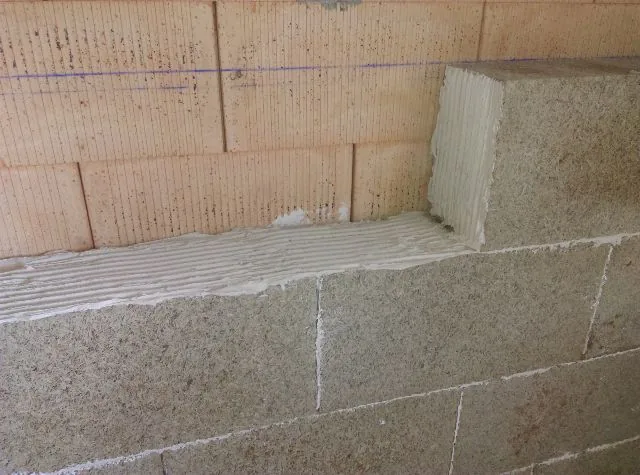
- Lay with a notched trowel using lime-based mortar in staggered joints for bonded masonry
- Blocks have straight edges, no grooves or tongues
- Apply interior finishes after installation: sprayed plaster, lime, earth or clay
- Observe drying times and humidity conditions for finishes
Preparing the stone wall before installation is a key step. The substrate must be clean, dust-free, flat, stable and loadbearing. It is recommended to check for rising damp or structural defects before starting work.
The MULTICHANVRE 20 cm block is fixed mechanically with brackets, about two per square metre, to ensure a reliable connection between the insulation block and the loadbearing wall. This fixing prevents any risk of detachment over time.
Straight-edged blocks are laid in bonded masonry with lime-based mortar applied using a notched trowel. Staggered joints ensure good thermal continuity and mechanical stability. Lime-based mortar is suitable for this type of installation, providing good adhesion.
Unlike the BIOSYS system, MULTICHANVRE blocks do not have grooves or tongues, so careful and regular laying is required to minimise thermal bridging.
After installation, interior finishes are applied with compatible renders such as sprayed plaster, lime, earth or clay. These renders are vapour-open, allowing humidity regulation and breathability of the wall. It is important to respect drying times and recommended application conditions to ensure the durability and performance of the system.
For more details on installation, the installation guide provides comprehensive technical documentation and practical advice.
Thermal performance and density comparison
| Thickness (cm) | Thermal resistance R (m².K/W) | Thermal lag (h) | Block weight (kg) | Area per pallet (m²) | Recommended use |
|---|---|---|---|---|---|
| 10 | 1.5 | 6.1 | 6.5 | 21.6 | Partitions, lightweight lining |
| 15 | 2.3 | 9.25 | 10 | 14.4 | Standard lining, partitions |
| 20 | 3.0 | 12.3 | 13 | 10.8 | High-performance IWI and EWI |
| 30 | 4.6 | 18.5 | 21 | 10.08 | High-performance EWI |
The MULTICHANVRE 20 cm block offers a thermal resistance R of 3.0 m².K/W, thermal conductivity λ of around 0.065 W/(m.K), and an approximate density of 300 kg/m³. These features place it among natural insulants suitable for internal insulation, particularly for stone walls.
Other thicknesses in the MULTICHANVRE range allow you to tailor thermal performance to specific needs:
- 10 cm for partitions or lightweight linings with R 1.5 m².K/W,
- 15 cm for standard lining or partitions with R 2.3 m².K/W,
- 30 cm for high-performance external wall insulation (EWI) with R 4.6 m².K/W.
The choice of thickness affects usable floor area in IWI applications. The greater the thickness, the more the internal usable space is reduced. This trade-off should be considered in project design.
The 12.3-hour thermal lag for 20 cm thickness provides notable summer comfort by delaying heat transfer into the building. This is due to the block's thermal mass, which is important in areas with large temperature swings.
Compared to mineral wools, hemp blocks require greater thickness to achieve the same thermal resistance, but in return offer superior humidity regulation, thermal mass, better indoor air quality, and a bio-based composition.
For a detailed comparison with other insulants, the technical comparison available on the website provides further information.
Limitations and constraints of internal insulation with hemp blocks
- Loss of usable floor area due to the thickness required for thermal performance
- Non-loadbearing block, requires a sound and stable supporting wall
- No specific treatment for rising damp: prior assessment required
- More susceptible to mechanical impacts compared to some other materials
- Installation rules and suitable finishes must be followed
Insulating a stone wall from the inside with a hemp block involves several technical constraints to consider. One of the main limitations is the loss of usable floor area due to the thickness of the lining. To achieve sufficient thermal resistance, a thickness of 20 cm is often required, which reduces the internal usable space—an important point in renovation projects.
As the hemp block is not loadbearing, it must be applied to a sound, stable loadbearing wall. Any structural defects in the supporting wall can compromise the durability of the insulation and must be addressed before installation.
In cases of rising damp or very damp walls, the hemp block does not replace appropriate treatment. A prior assessment of the wall's condition is necessary to avoid any moisture-related issues.
The material is somewhat more sensitive to mechanical impacts than rigid insulants such as aerated concrete or polystyrene, so care is needed during handling and on site.
Finally, successful insulation depends on strictly following installation rules, fixings, and the application of compatible renders. Poor workmanship can lead to thermal bridges, water ingress or premature deterioration.
Compatible finishes for walls insulated with hemp blocks
- Interior renders: sprayed plaster, lime, earth or clay
- Use vapour-open renders to maintain humidity regulation
- Avoid impermeable coatings that block wall breathability
- Finishes should be adapted to use and exposure
- Follow technical recommendations for durability and performance
Interior finishes on walls insulated with hemp blocks must be carefully chosen to preserve the material's hygrothermal properties. Vapour-open renders are preferred, allowing the wall to regulate humidity and prevent condensation.
Compatible renders include sprayed plaster, lime, earth and clay. These natural materials are in keeping with the bio-based nature of the hemp block and contribute to indoor comfort.
Impermeable or plastic coatings that would block the wall's breathability are not recommended, as they can cause moisture problems and damage the insulation lining.
Finishes should also be adapted to the use of the room and its exposure (humidity, heavy use, etc.). Careful application of renders, with respect for drying times and climatic conditions, is essential to ensure the system's durability and performance.
A comprehensive guide to compatible renders is available on the website for further details: Comprehensive guide to compatible renders.
Regulatory and environmental aspects
- Bio-based material with 84% hemp shiv, manufactured in Bourgogne-Franche-Comté
- Compliant with RE2020 (France's environmental building regulation) requirements for CO₂ storage
- Block undergoing certification (MULTICHANVRE)
- Indoor air quality rated A+
- Environmental and health declaration sheets available
The MULTICHANVRE 20 cm block meets current environmental expectations, particularly under RE2020. Its composition of 84% hemp shiv, a renewable and local material, contributes to CO₂ storage and reduces the building's carbon footprint.
Manufacturing is carried out in Bourgogne-Franche-Comté, ensuring a short and controlled supply chain. The MULTICHANVRE range is undergoing certification, guaranteeing compliance with construction and insulation standards.
The A+ rating for indoor air quality confirms very low emissions of volatile organic compounds, which is important for occupant comfort and health.
Environmental and health declaration sheets (FDES) are available for a complete impact assessment, useful for project managers and design offices.
Maintenance, durability and feedback
- Natural resistance to rodents without chemical treatment
- Lifespan depends on quality of installation and protection by renders
- Minimal maintenance, regular inspection of renders recommended
- Site feedback on thermal performance and comfort
- Technical guides available for specifiers and tradespeople
The hemp block is naturally resistant to rodents without the need for chemical treatment, contributing to its durability. The lifespan of the insulation lining depends mainly on the quality of installation and the protection provided by interior renders.
Maintenance is minimal, but it is advisable to regularly check the condition of the renders to prevent any deterioration due to moisture or mechanical impact. Prompt repair of cracks or wear will extend the lifespan.
Feedback from projects using the MULTICHANVRE 20 cm block confirms good thermal performance and appreciated indoor comfort, particularly due to humidity regulation and thermal lag.
To support professionals, technical guides and product data sheets are available, including via the technical documentation and the MULTICHANVRE 20 cm block product data sheet.
Frequently asked questions
What are the benefits of using hemp blocks to insulate a stone wall from the inside?
Hemp blocks provide good thermal insulation with significant thermal lag, regulate humidity, and offer a bio-based material free from chemical additives, making them suitable for old stone walls.
How is a MULTICHANVRE 20 cm block installed on a stone wall?
The block is laid in bonded masonry with lime-based mortar in staggered joints, fixed to the substrate with brackets, and then covered with a compatible interior render.
Are hemp blocks loadbearing?
No, the block is not loadbearing. It is an insulating lining that must be applied to a sound loadbearing wall.
What finishes are recommended for a wall insulated with hemp blocks?
Vapour-open renders such as sprayed plaster, lime, earth or clay are recommended to maintain wall breathability and humidity regulation.
What thickness of hemp block should I choose to insulate a stone wall from the inside?
The MULTICHANVRE 20 cm block offers a good balance with R=3.0 m².K/W, suitable for most IWI needs. Thinner blocks are suitable for partitions or lightweight linings.
Are hemp blocks suitable for damp walls?
The block regulates ambient humidity, but in cases of rising or severe damp, a prior assessment is needed to avoid problems.
What is the lifespan of a wall insulated with hemp blocks?
Provided installation is correct, with suitable renders and regular maintenance, the durability is good, with natural resistance to rodents.
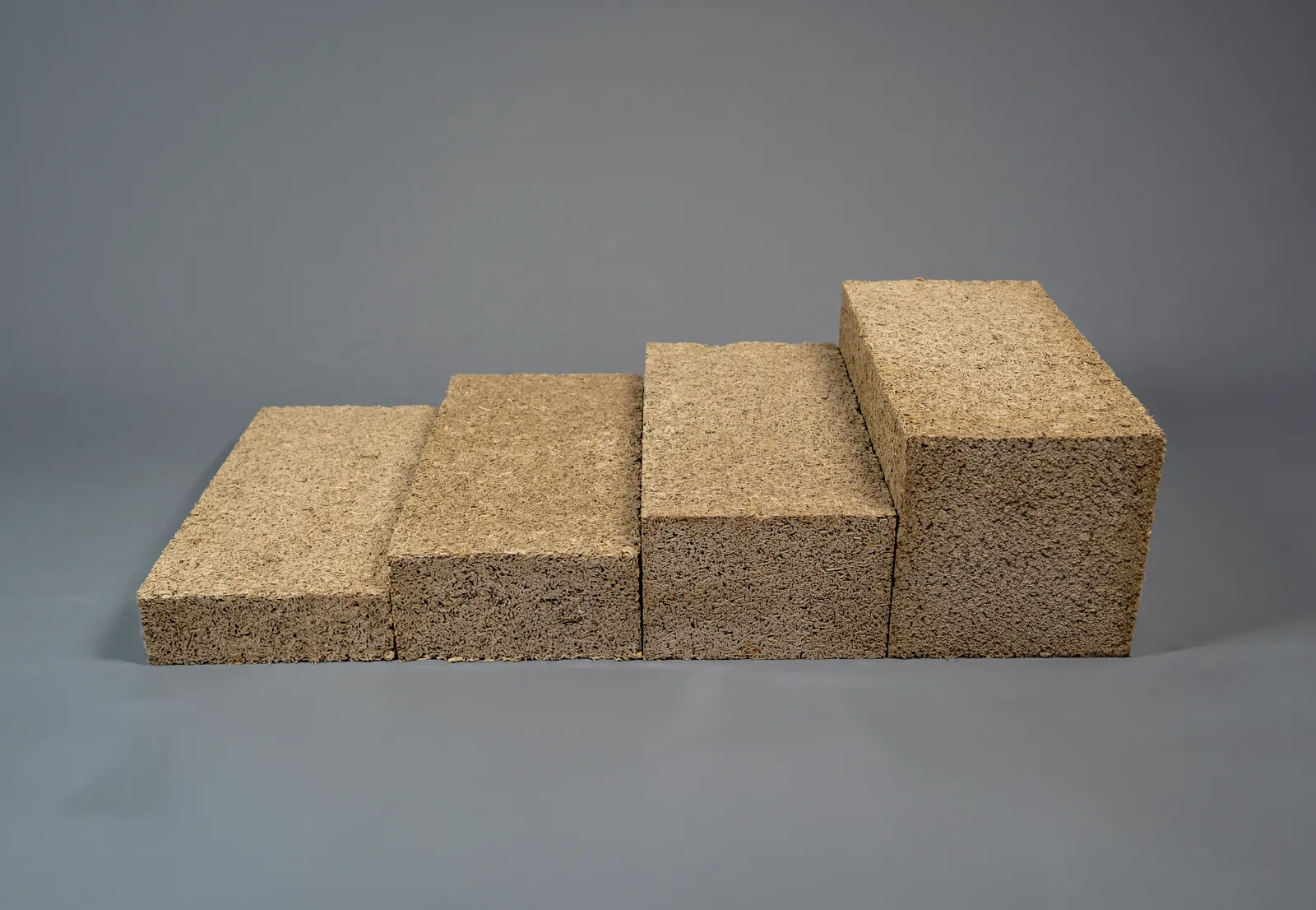
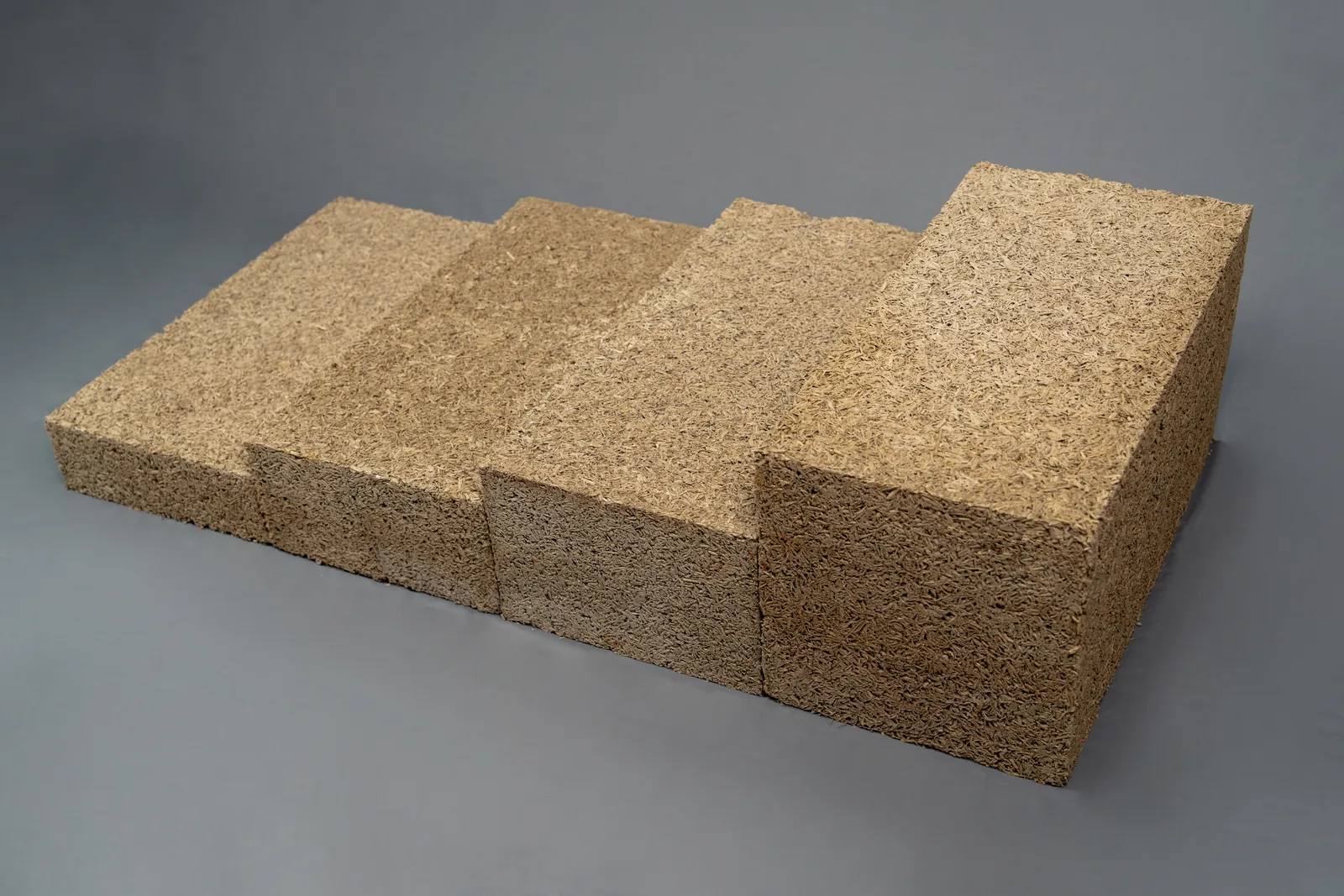
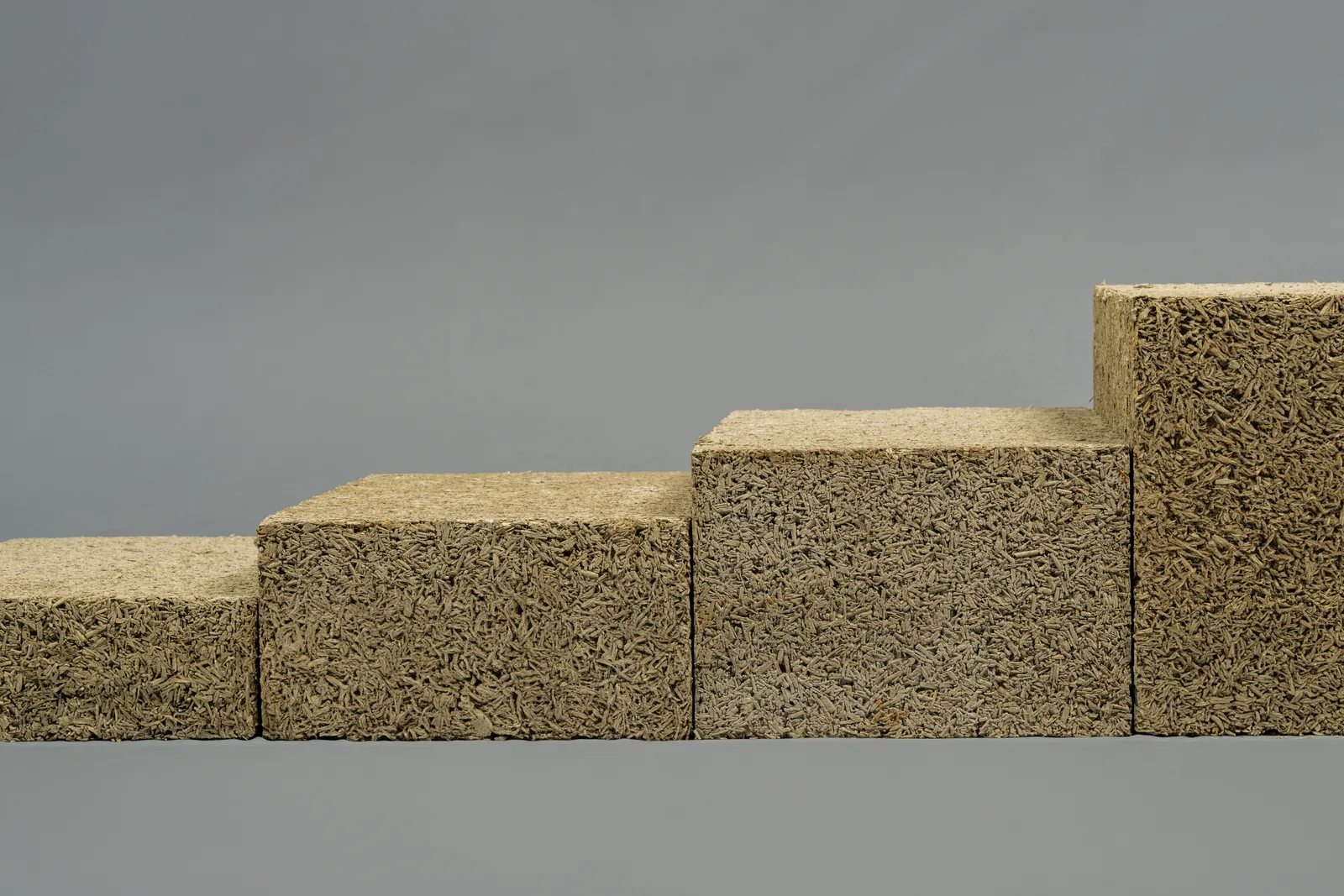
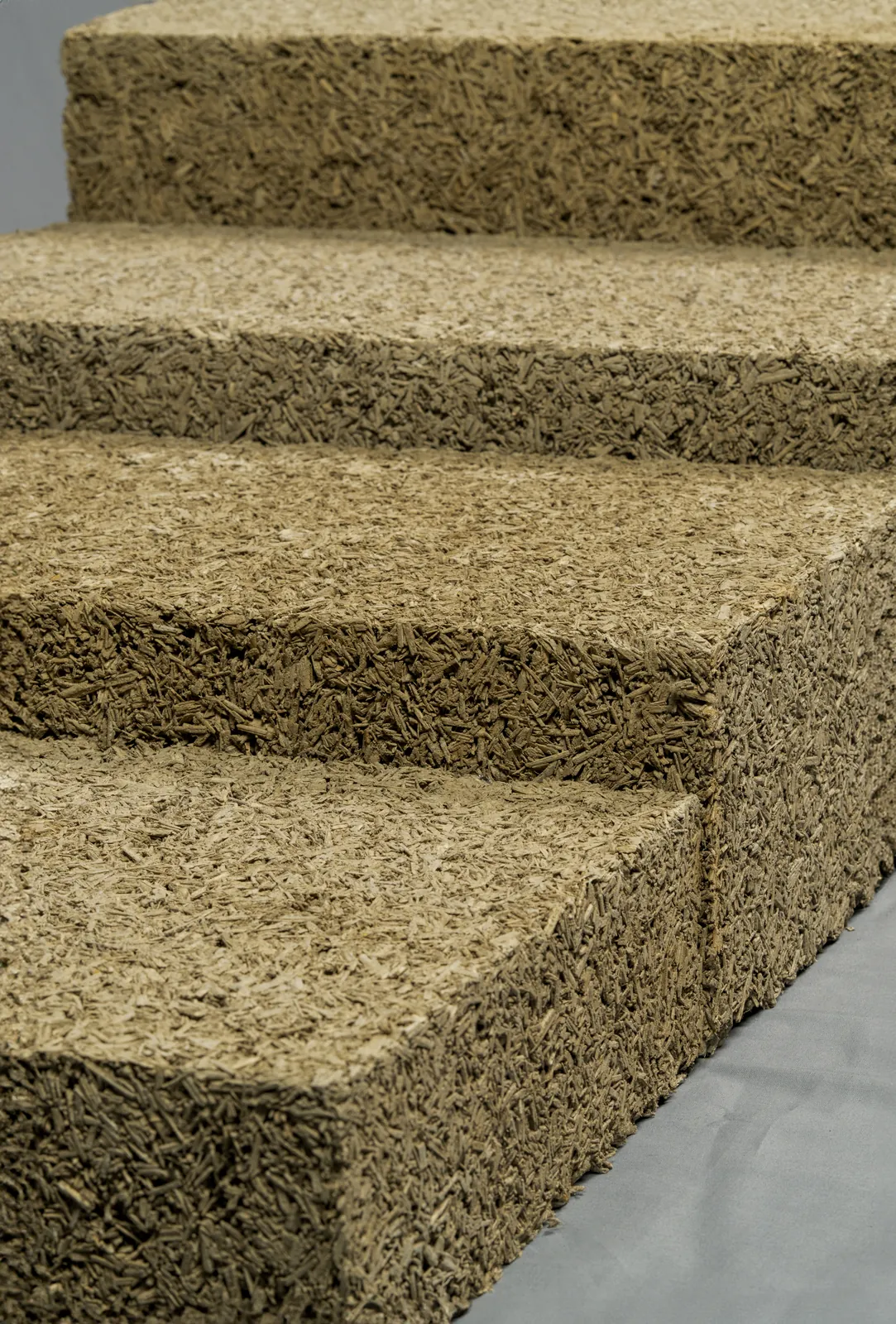
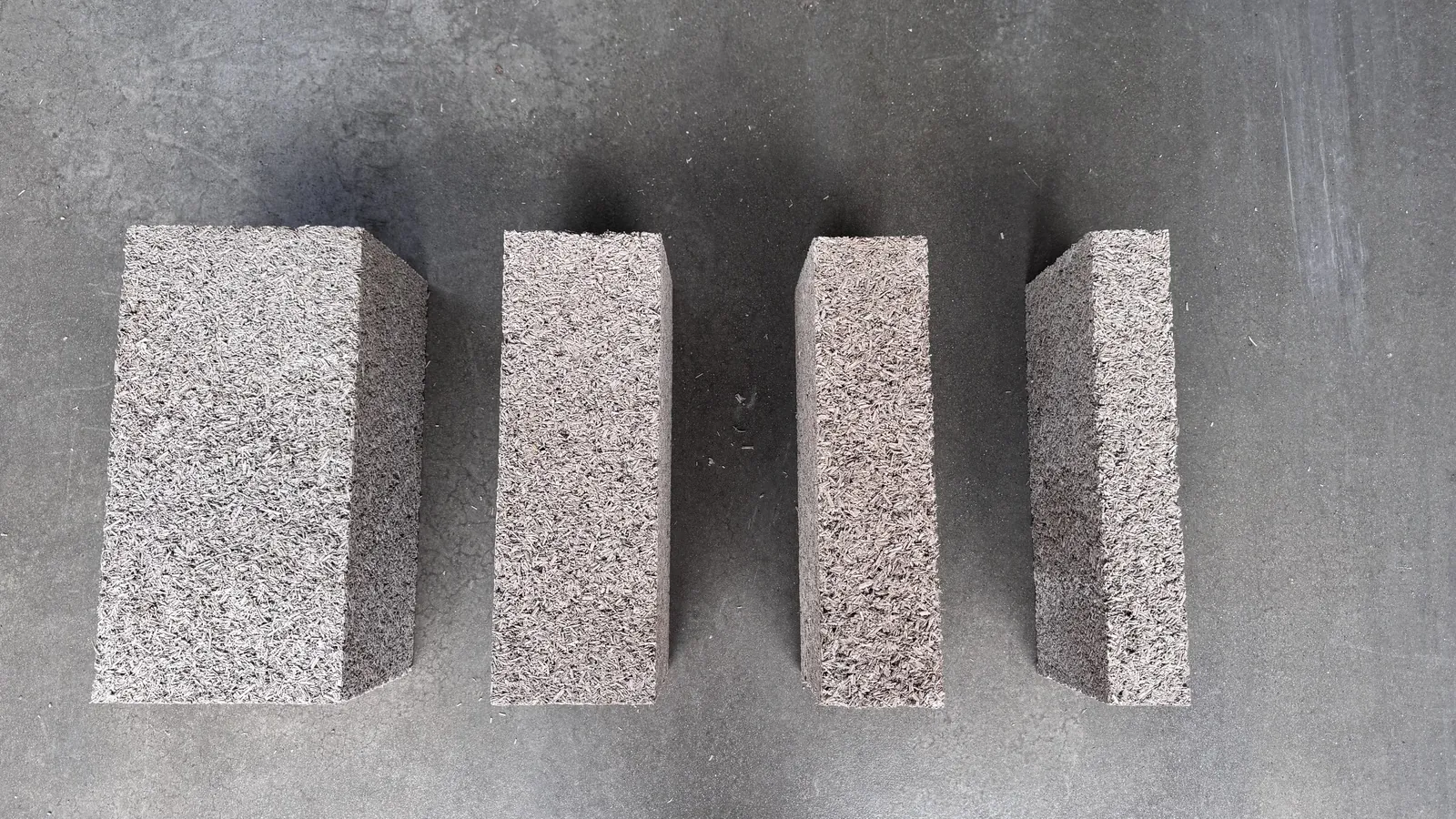
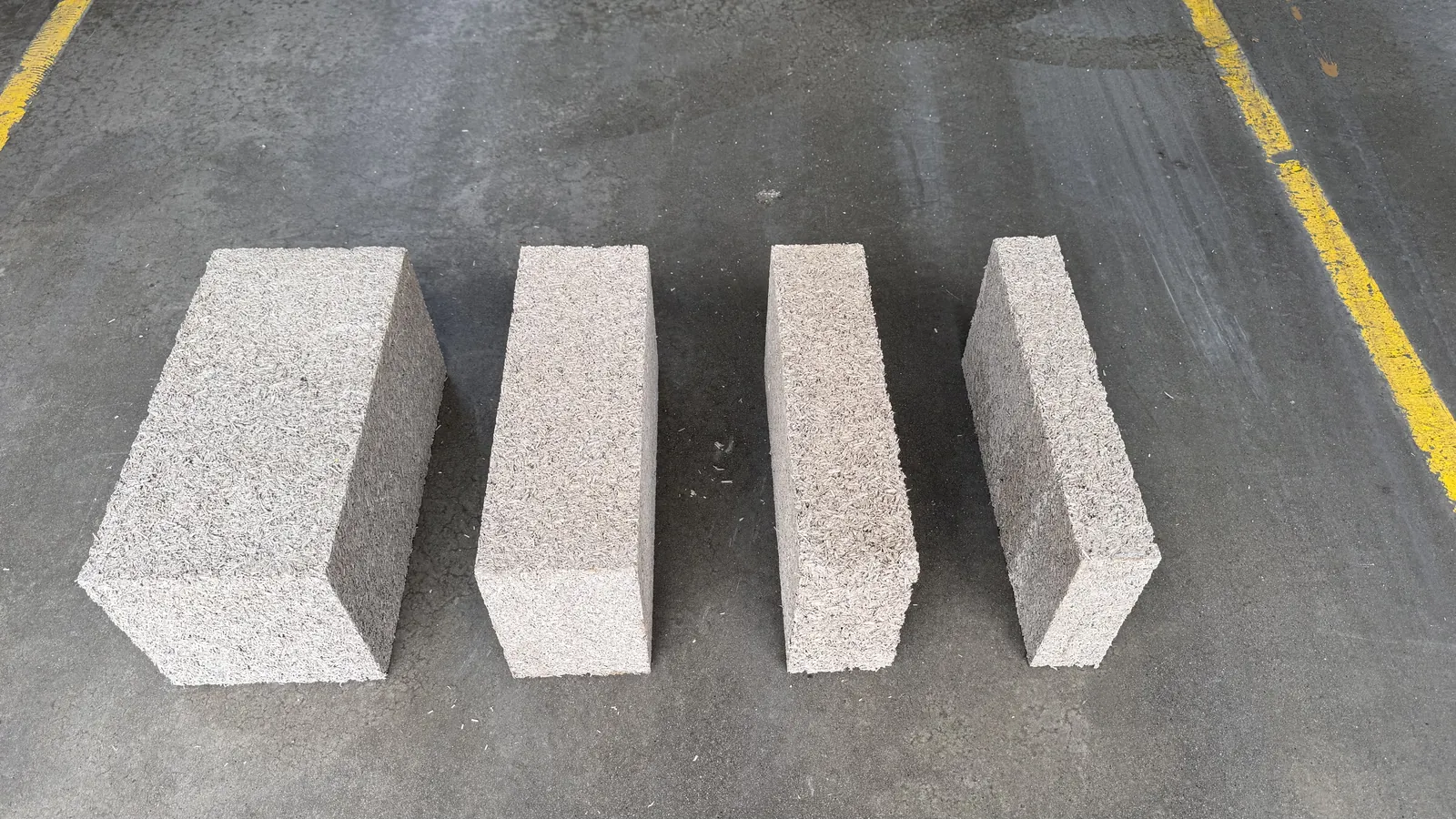
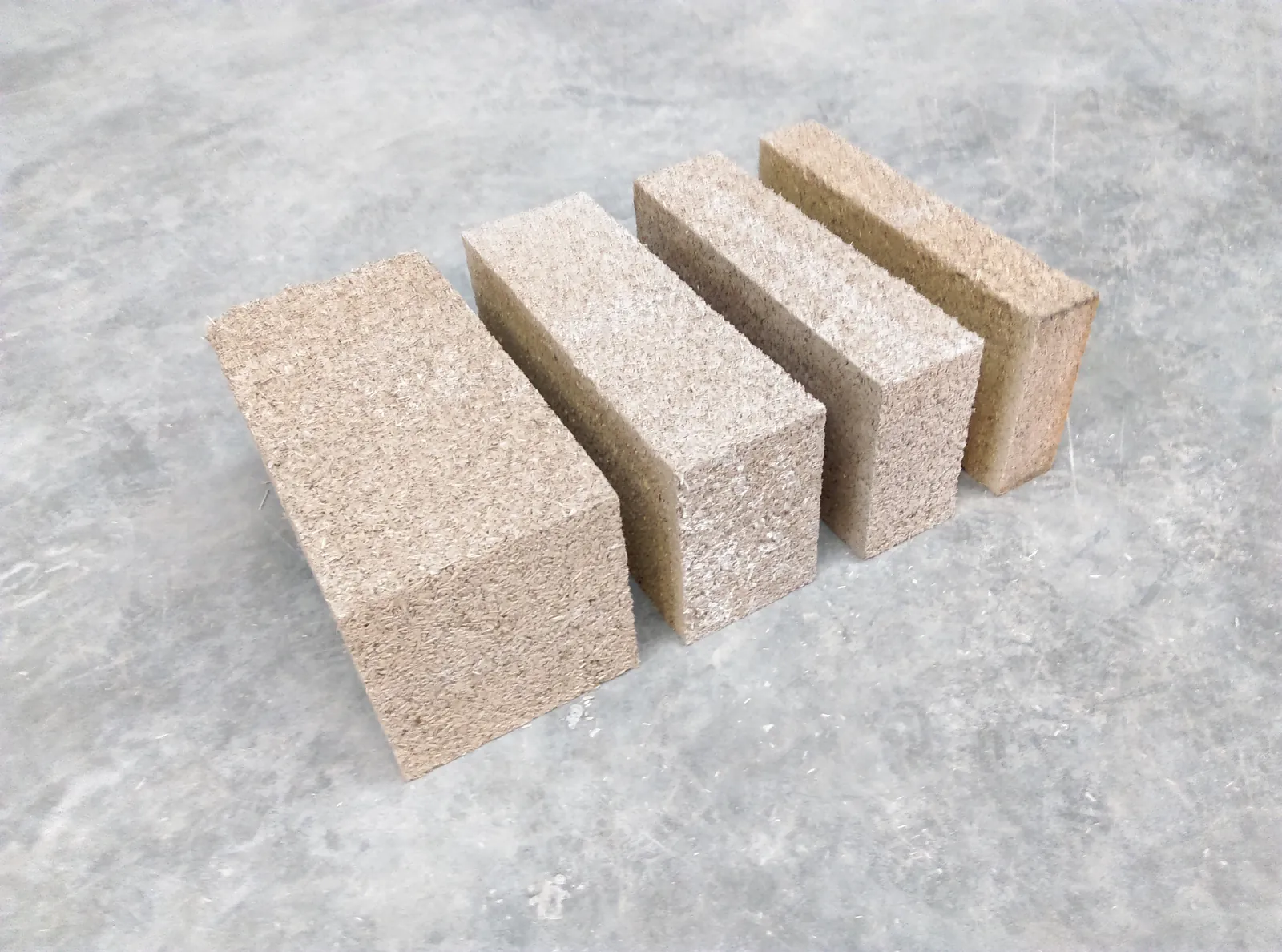
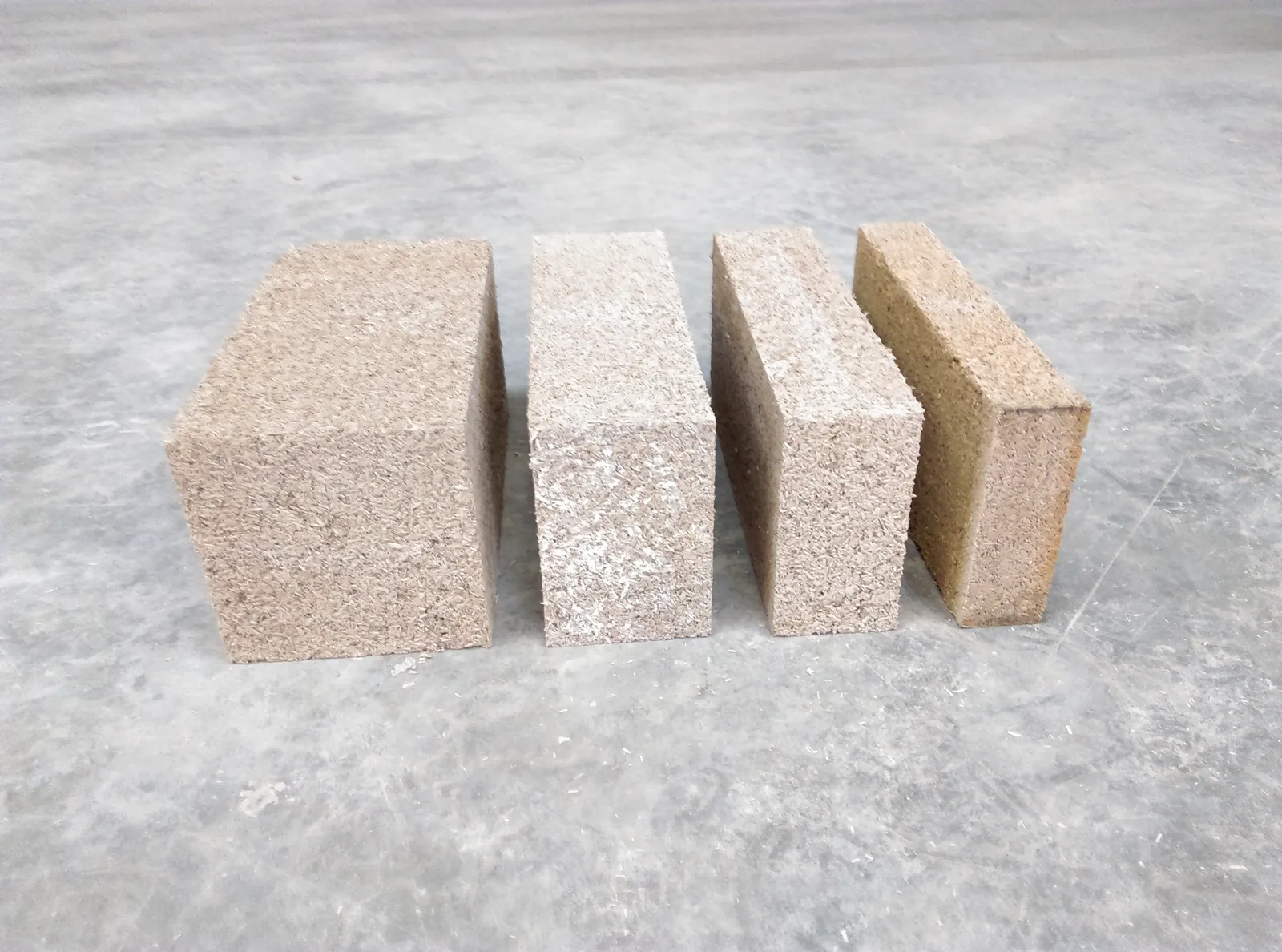
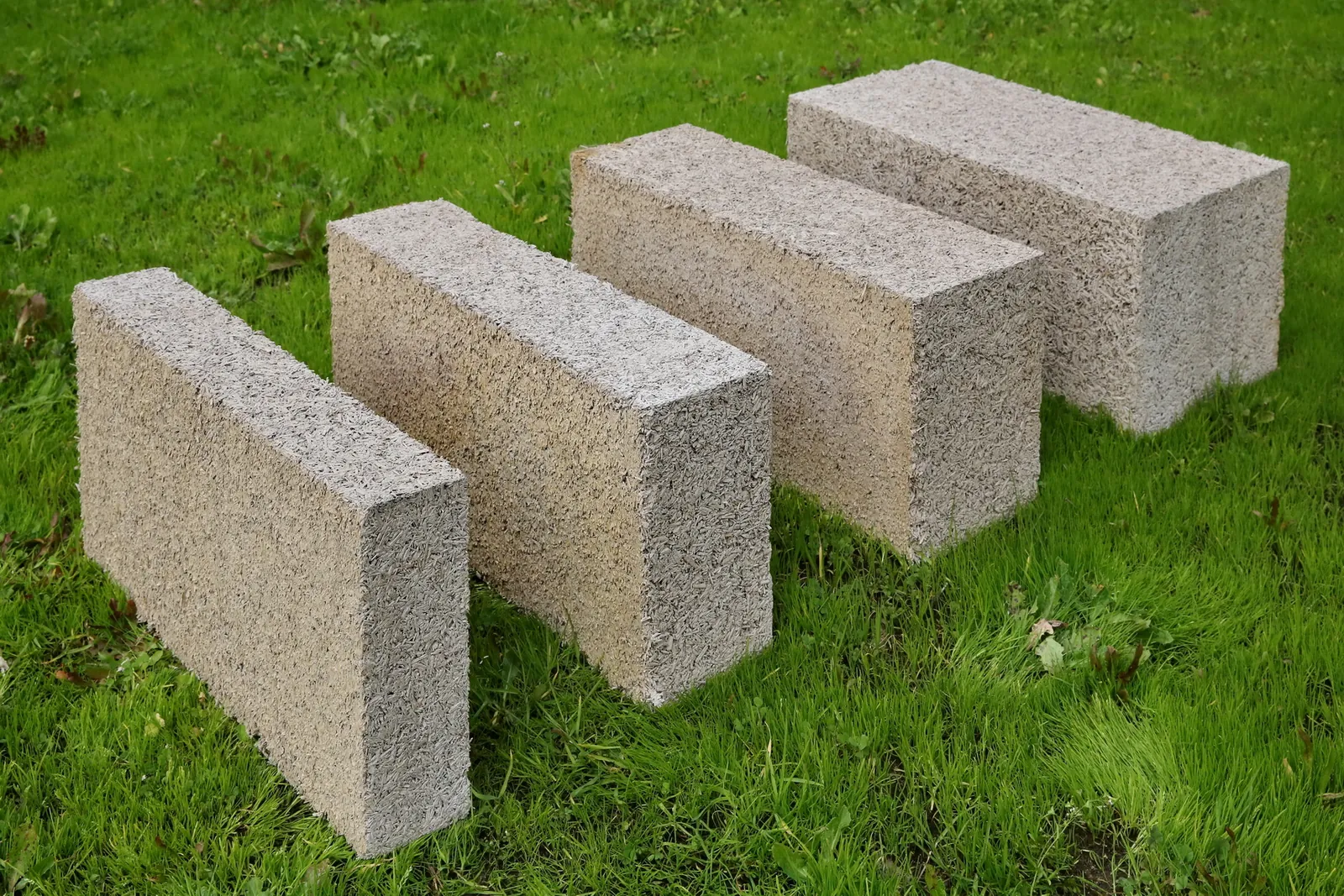
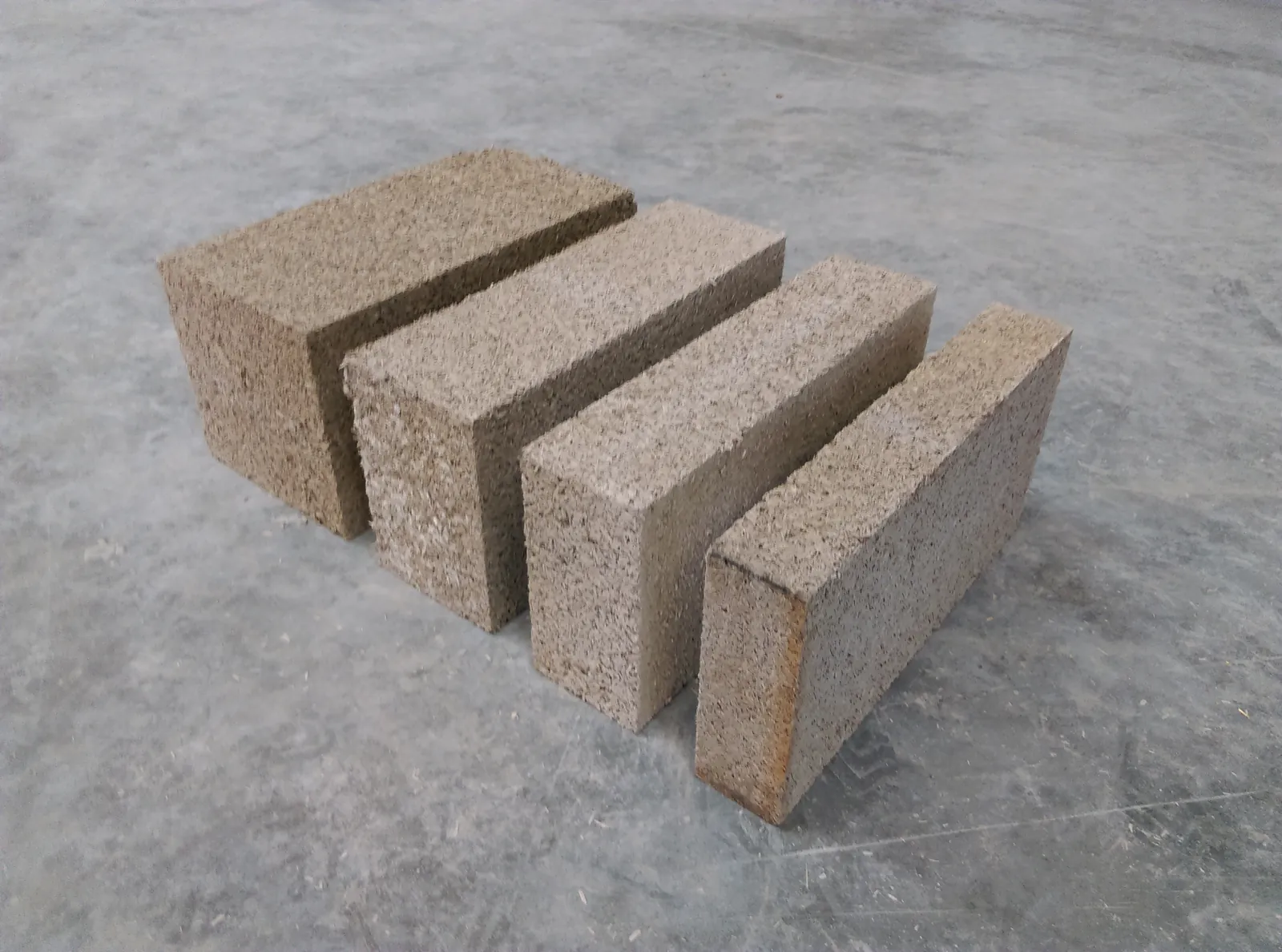
The MULTICHANVRE range in pictures
Read next
Planning a hemp block project?
Tell us about your project: we will reply within 48 working hours with a tailored costing.