20 cm hempcrete block: features, uses and technical installation
The 20 cm hempcrete block offers a thermal resistance of R = 3.0 m².K/W and a thermal lag of around 12.3 hours, making it ideal for high-performance internal insulation and timber frame infill. It is laid in a staggered bond with lime mortar, with no vapour barrier required, helping to regulate humidity and improve summer comfort.
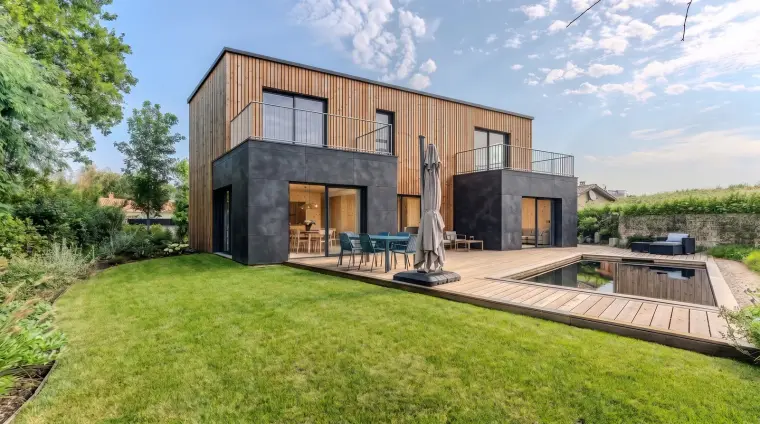
| Range | MULTICHANVRE |
|---|---|
| Format | 600 × 300 mm |
| Thermal conductivity λ | 0.065 W/(m.K) |
| Density | ≈ 300 kg/m³ |
| Thermal resistance R | 3.0 m².K/W |
| Installation | IWI, EWI, timber frame infill |
The 20 cm hemp block provides a thermal resistance of R = 3.0 m².K/W with a thermal lag of around 12.3 hours, making it suitable for high-performance internal insulation and timber frame infill. It is laid in a staggered bond with lime mortar, with no vapour barrier required, supporting moisture regulation and summer comfort.
Technical specifications of the 20 cm hemp block
The 20 cm hemp block comes in a standard size of 600 × 300 mm with a thickness of 200 mm. Each block weighs around 13 kg, making it easy to handle on site without lifting equipment. The block is made up of 84% hemp shiv—the woody core of the hemp stem—bound with a vapour-open hydraulic binder, Vicat natural prompt cement. This formulation gives the material a density of around 300 kg/m³ and a dry thermal conductivity λ of approximately 0.065 W/(m.K).
The block’s thermal resistance R is 3.0 m².K/W, indicating its ability to limit heat transfer. The thermal lag is about 12.3 hours, meaning it takes this long for heat to pass through the material, helping to delay wall temperature rise and improve summer comfort.
One pallet contains 60 blocks, covering an area of 10.8 m², with installation in a staggered bond using mortar. The block is non-loadbearing; it is mainly used as a lining for a supporting wall or as infill for a timber frame.
In terms of additional performance, the block is fire rated B-s1 d0, indicating limited reaction to fire. It is rated A+ for indoor air quality and has a sound absorption coefficient α of 0.4, contributing to acoustic insulation. Finally, its natural moisture regulation keeps relative humidity within a comfortable range, with no need for a vapour barrier.
Key technical data for the 20 cm hemp block
| Data | Value |
|---|---|
| Thermal resistance R | 3.0 m².K/W |
| Thermal lag | ≈ 12.3 h |
| Unit weight | 13 kg |
| Blocks per pallet | 40 |
| Area per pallet | 10.8 m² |
| Blocks per m² | 5.6 |
Main applications
The 20 cm hemp block is primarily designed for two main technical uses:
- Internal wall insulation (IWI): With a thermal resistance of R = 3.0 m².K/W, this block is well suited to high-performance renovation projects. The 12.3 h thermal lag provides significant thermal mass, improving summer comfort by limiting daytime overheating. However, this thickness does result in a notable loss of floor area—about 20 cm per wall, or 40 cm across a room. This trade-off should be considered, especially compared to thinner insulation materials such as mineral wool.
- Timber frame infill: The block’s dimensions match the typical 200 mm timber stud section, avoiding the need for packing or leaving voids and allowing for efficient, rational installation. Airtightness is provided by the sheathing board, so there is no need for a vapour barrier. Here, the hemp block acts as both insulation and moisture regulator without disrupting the construction system. For more details on these uses, see our page on applications of hemp blocks for IWI, EWI, partitions, floors and timber frames.
Installation and compatible finishes
The 20 cm hemp block is laid in a staggered bond using a lime-based mortar, applied with a notched trowel. This method ensures a strong, even bond between blocks. The connection to the substrate is made with brackets—typically two per square metre—ensuring the mechanical stability of the bonded masonry. For timber frame infill, blocks are cut to fit flush with the studs, ensuring continuous contact without gaps.
The block is easily cut on site with a handsaw, allowing precise adjustment of dimensions as needed.
Compatible internal finishes include:
- Sprayed plaster, providing a smooth, paint-ready surface.
- Lime, earth or clay plasters, which maintain vapour permeability and support moisture regulation.
For external finishes, a lime render with full mesh reinforcement is recommended to preserve the wall’s breathability and durability. Cement renders should be avoided as they block vapour movement, which can lead to condensation and material degradation. More information can be found in our guide to compatible renders for hemp block walls.
Advantages and technical limitations of the 20 cm hemp block
The 20 cm hemp block offers several notable features:
- It is a bio-based product, made with 84% French-grown hemp shiv, renewable and recyclable, helping to store CO₂ and meeting RE2020 requirements (France’s environmental building regulation).
- Its natural moisture regulation, within a comfortable range, reduces condensation risk and improves indoor comfort.
- The moderate density (~300 kg/m³) combined with low thermal conductivity (λ ≈ 0.065 W/(m.K)) offers a favourable balance between thermal insulation, mass and acoustic insulation (absorption α = 0.85).
- However, the block is non-loadbearing and must be combined with a structural wall (existing masonry, timber frame, reinforced concrete).
- The thickness is also a constraint—greater than mineral wool for the same thermal resistance—which can reduce floor area in IWI applications.
- Finally, the block is suitable for high-performance renovations or new timber frame builds, but less so where space or structural loads are highly restricted.
When to choose a different thickness?
The choice of hemp block thickness depends on your project context and thermal targets:
- 15 cm: Suitable where floor area is at a premium and moderate thermal performance is sufficient. This size offers a thermal resistance of R = 2.3 m².K/W and a lower thermal lag (9.25 h), making it ideal for partitions or linings.
- 30 cm: Recommended for external wall insulation (EWI) where roof overhangs or boundary constraints do not limit thickness. It provides higher thermal resistance (R = 4.6 m².K/W) and greater thermal lag (18.5 h), ideal for maximum thermal performance without reducing floor area.
- 10 cm: Mainly used for lightweight partitions, thin linings or floor insulation under screed, where high thermal resistance is not required (R = 1.5 m².K/W).
This choice of thickness is discussed in detail in our guide to choosing the right thickness for your project, and the full range is set out on the MULTICHANVRE range: thicknesses, R, thermal lag, packaging page.
Indicative pricing and space/performance trade-off
The indicative price for hemp blocks starts at around €35/m² incl. VAT for the 10 cm thickness. For the 20 cm block, the cost is higher due to the greater material volume and improved performance. These prices are indicative and should be confirmed with a tailored quote for each project.
The balance between financial investment, thermal comfort and loss of floor area should be assessed according to the specific constraints of your site. The 20 cm block offers a technical compromise between performance and thickness, but in renovation projects, the reduction in usable space may be a limiting factor.
For an accurate estimate, you can request a personalised quote for hemp blocks.
Frequently asked questions about the 20 cm hemp block
- Why is the 20 cm hemp block the best seller?
Because it combines thermal resistance suitable for high-performance renovations, a thermal lag that improves summer comfort, and a thickness that matches standard timber frame studs, avoiding packing and waste. - Is it suitable for external wall insulation?
Yes, where available thickness is limited by roof overhang or boundary constraints. Otherwise, the 30 cm block is preferable to maximise thermal performance in EWI. - What does a 20 cm block weigh and how is it installed?
It weighs around 13 kg and is easily laid in a staggered bond with suitable mortar, with brackets securing it to the substrate. - Is a vapour barrier needed?
No, the block naturally regulates humidity thanks to its vapour permeability and capillarity. Using a vapour barrier would disrupt this system and could cause condensation. - What finishes are compatible?
For interiors, sprayed plaster, lime, earth or clay are suitable. For exteriors, a lime render with full mesh reinforcement is recommended. Cement renders should be avoided.
For more on these topics, see our technical documentation and practical guides.
Frequently asked questions
Why do professionals prefer the 20 cm hemp block?
The 20 cm block combines a thermal resistance of R = 3.0 m².K/W, ideal for high-performance renovations, a 12.3 h thermal lag for summer comfort, and a thickness that matches standard timber frame studs, avoiding packing and waste.
Can the 20 cm hemp block be used for external wall insulation (EWI)?
Yes, where available thickness is limited by constraints such as roof overhang. Otherwise, the 30 cm block is recommended to maximise thermal performance without reducing floor area.
What does a 20 cm hemp block weigh and how is it installed?
The block weighs around 13 kg and is easy to handle without lifting equipment. It is laid in a staggered bond with suitable mortar, with brackets securing it to the substrate.
Is it necessary to install a vapour barrier with the 20 cm hemp block?
No, the block naturally regulates humidity through its vapour permeability and capillarity. Adding a vapour barrier would disrupt this mechanism and could create condensation points.
What types of render are compatible with this block?
Internal finishes such as sprayed plaster, lime, earth or clay are suitable. For exteriors, a lime render with full mesh reinforcement is recommended. Cement renders should be avoided.
How do density and thermal conductivity affect performance?
The moderate density (~300 kg/m³) and low thermal conductivity (λ ≈ 0.065 W/(m.K)) provide a good balance between insulation and thermal mass, improving both thermal and acoustic comfort.
What are the main applications for the 20 cm hemp block?
This block is mainly used for internal wall insulation and timber frame infill. It can also be used for partitions and, in some cases, for floor insulation under screed.
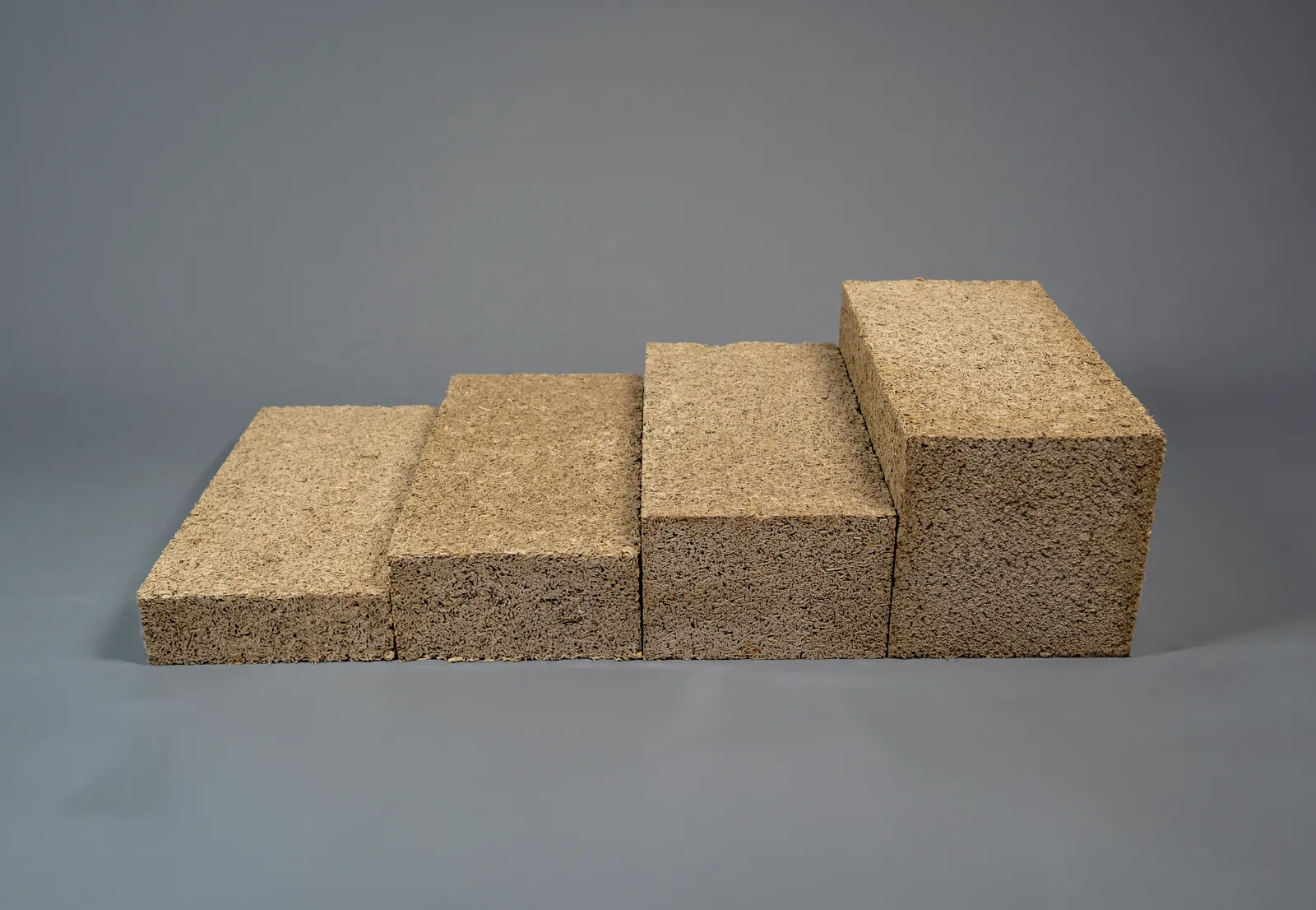
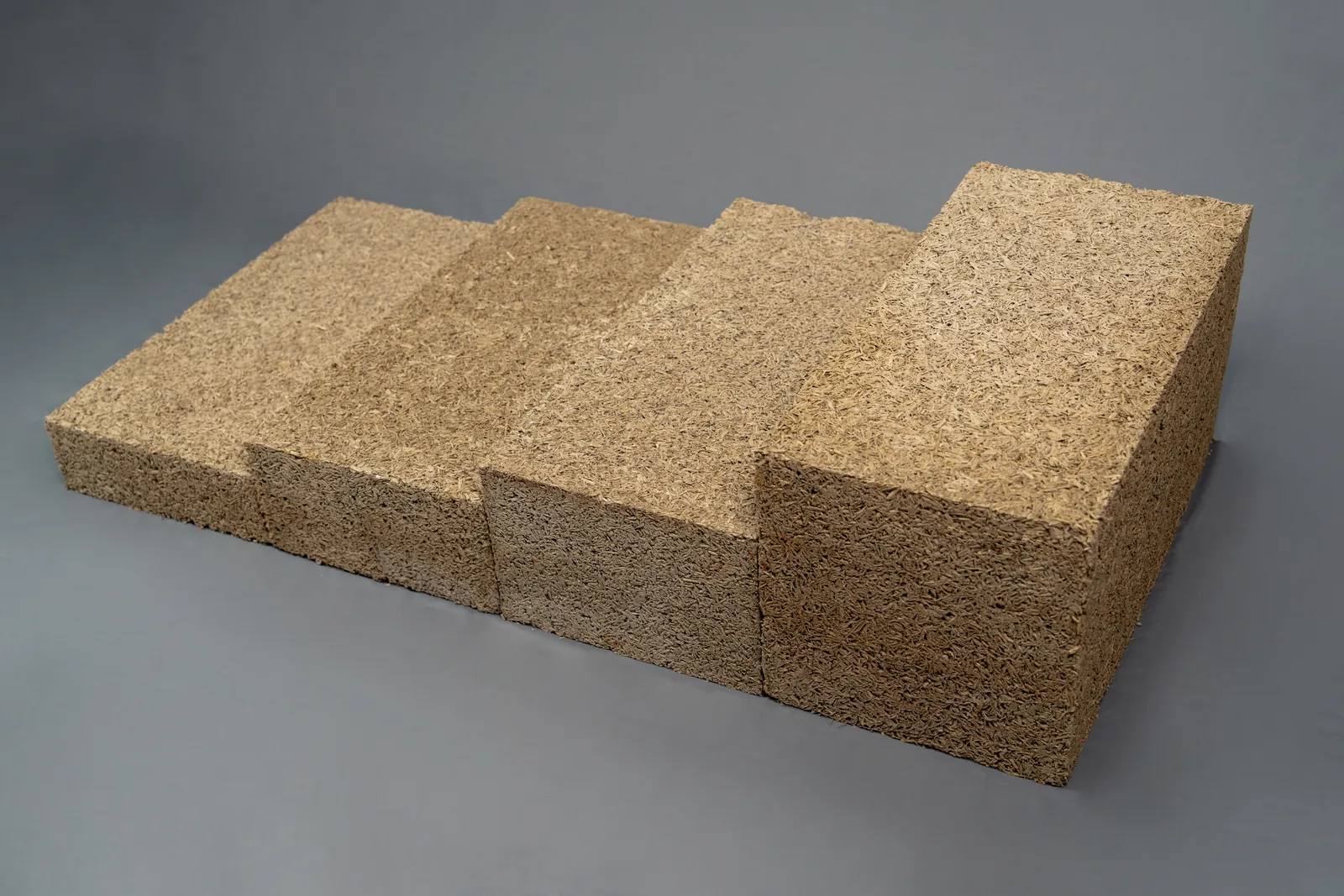
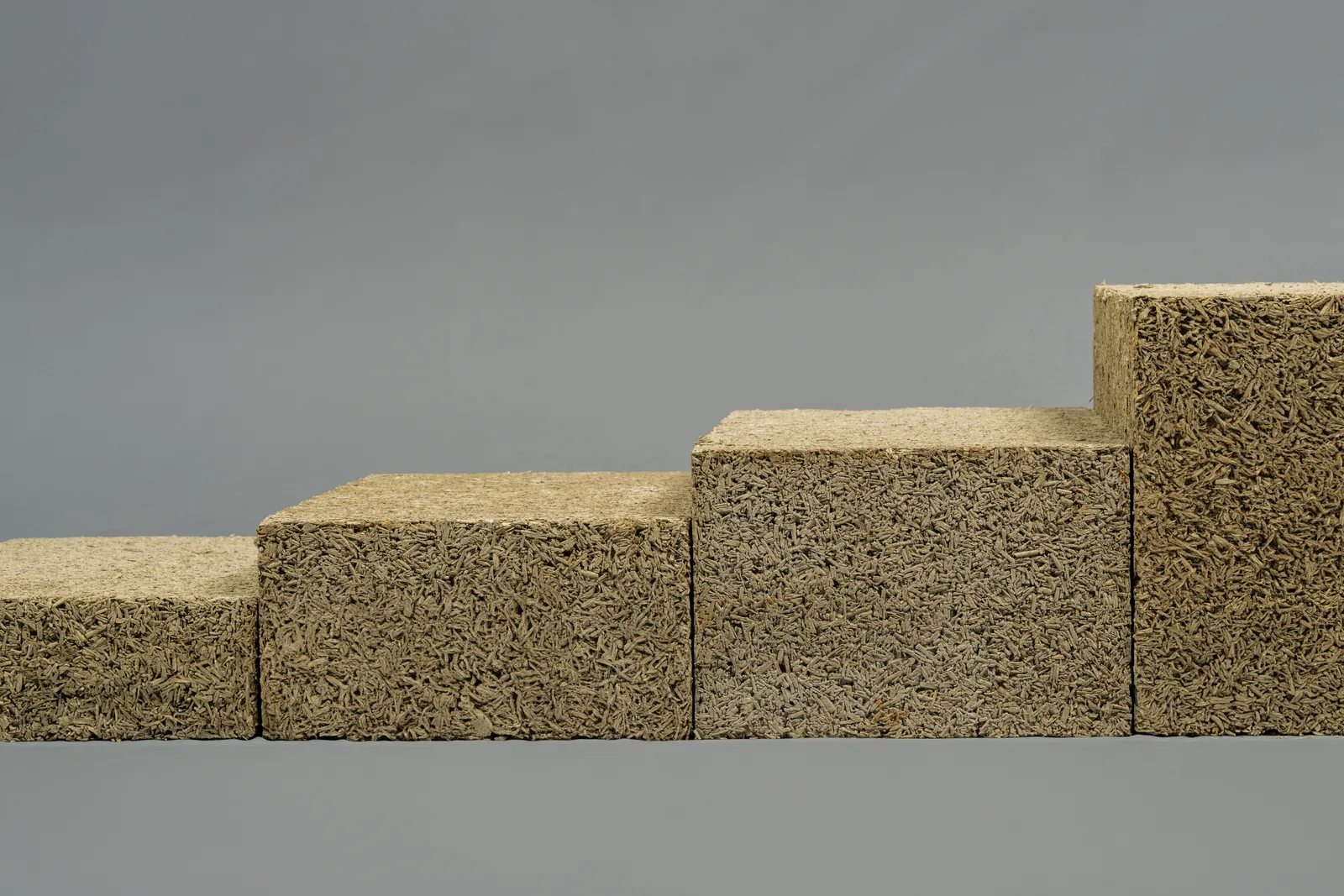
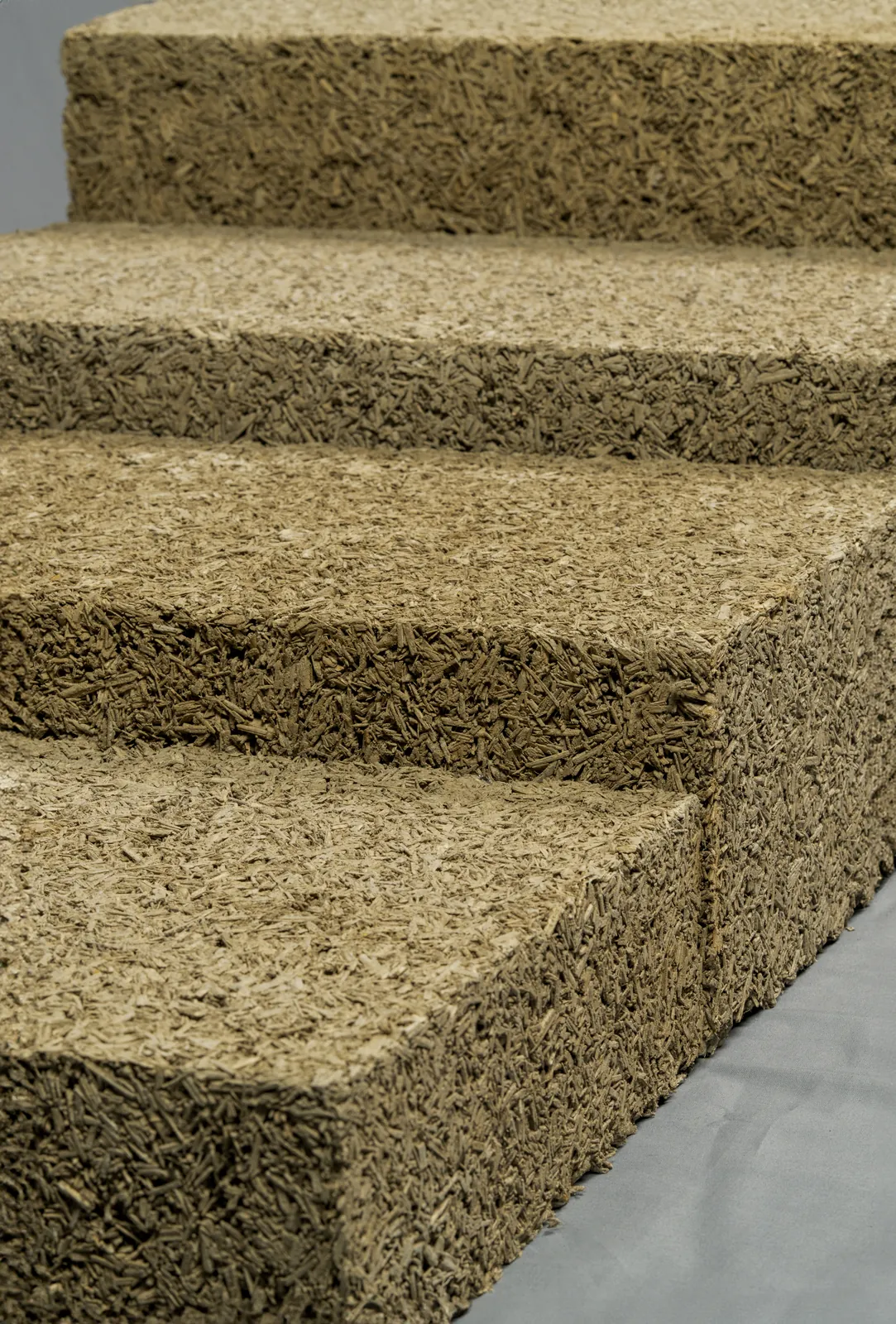
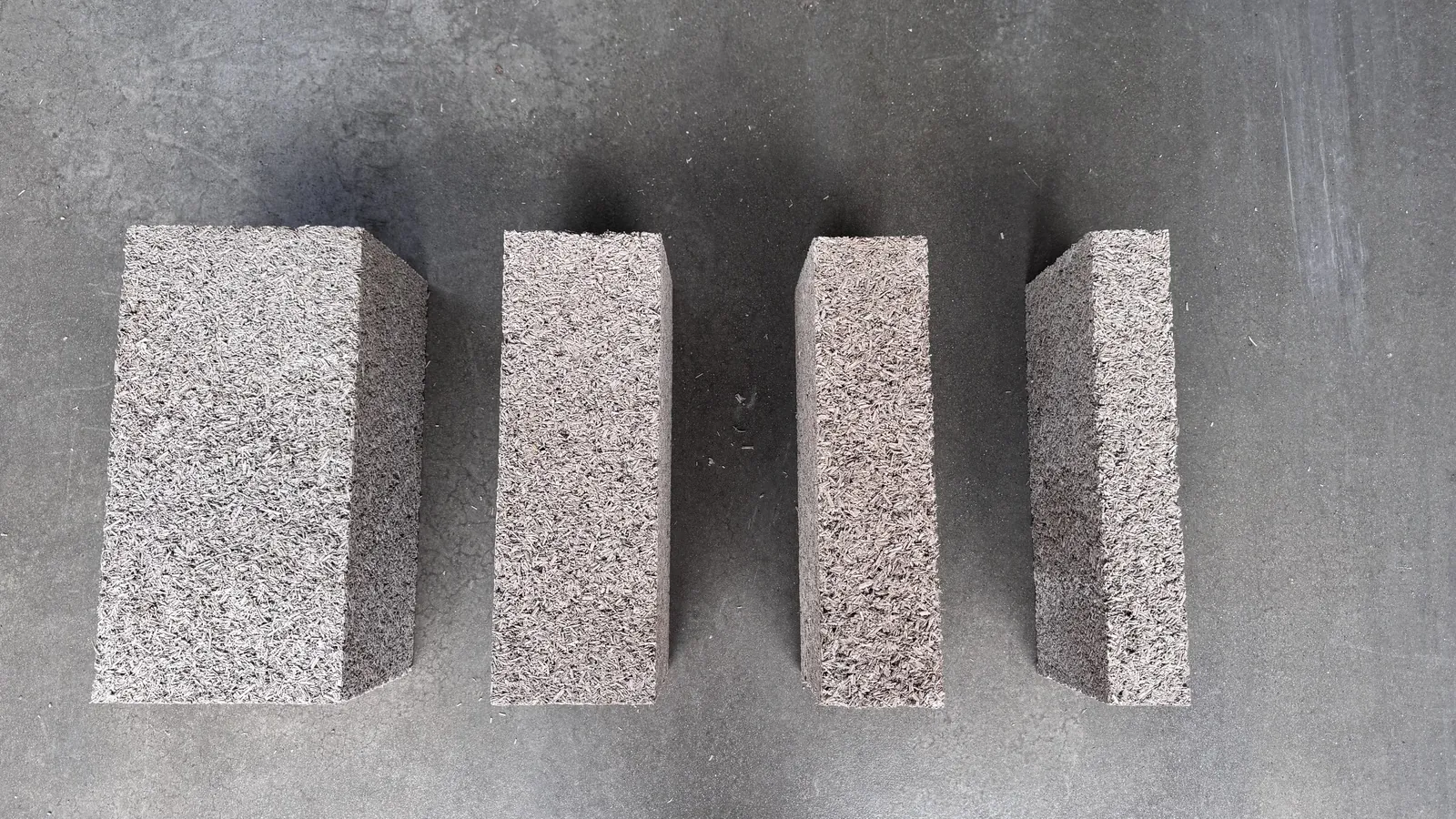
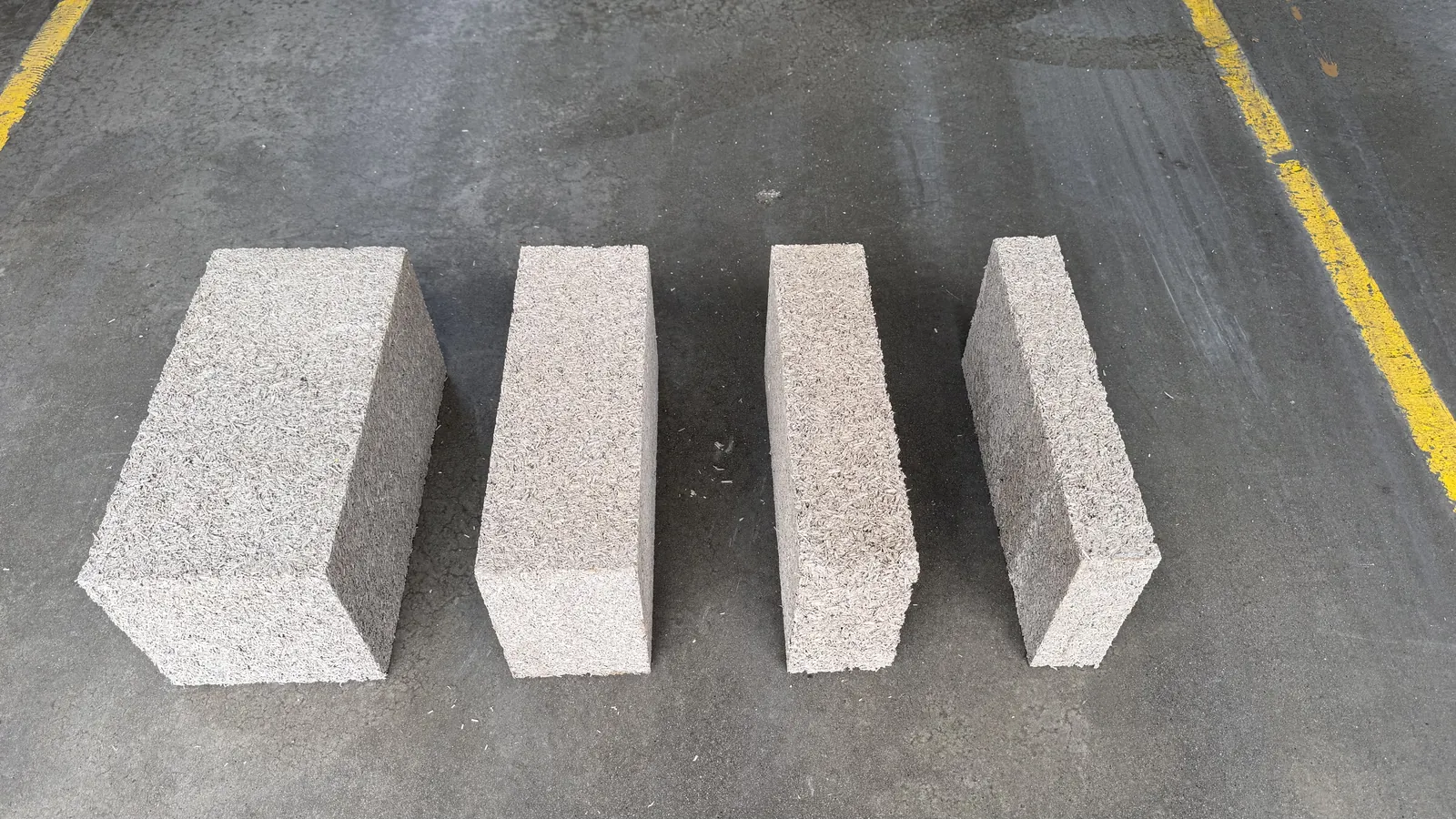
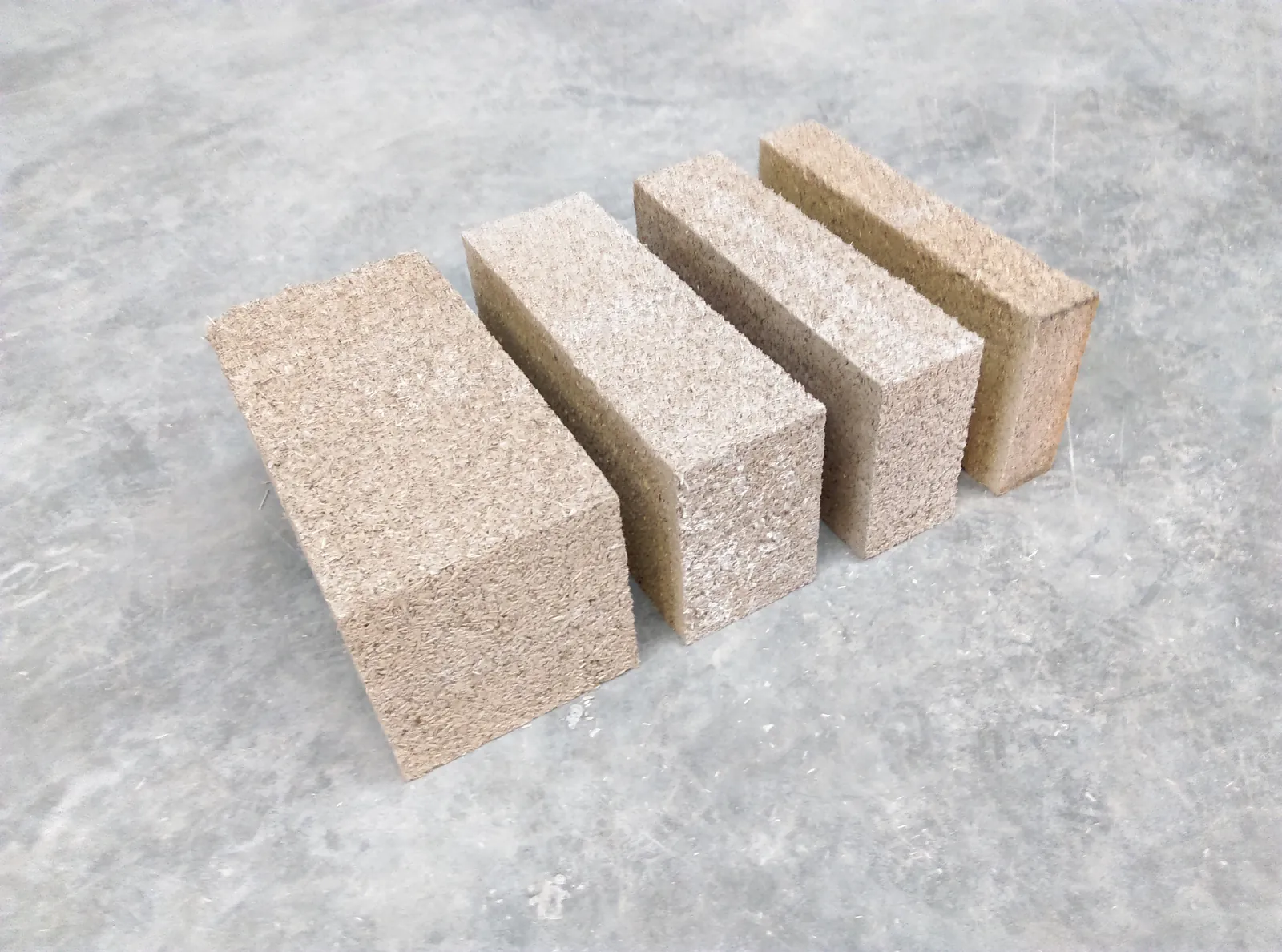
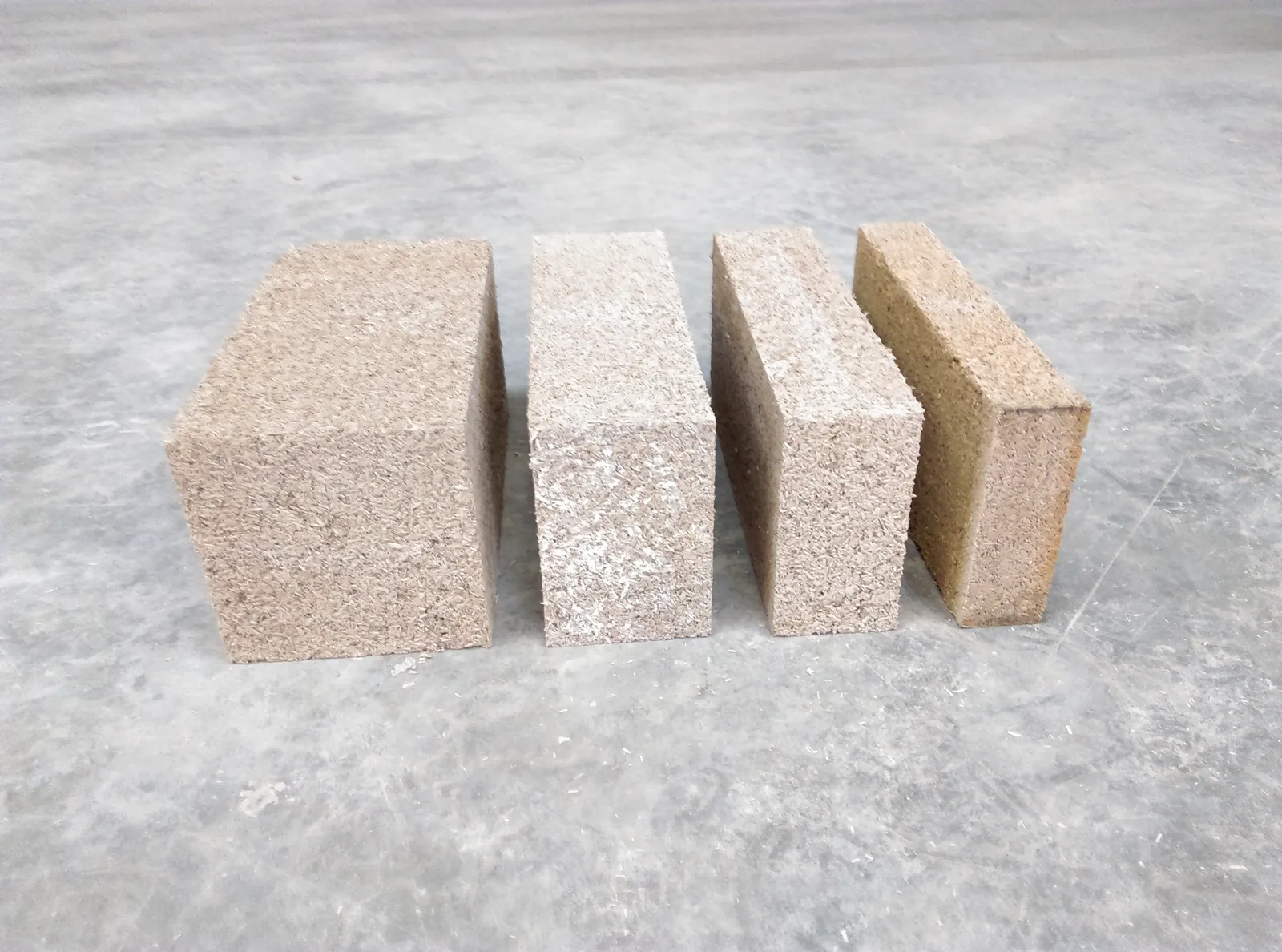
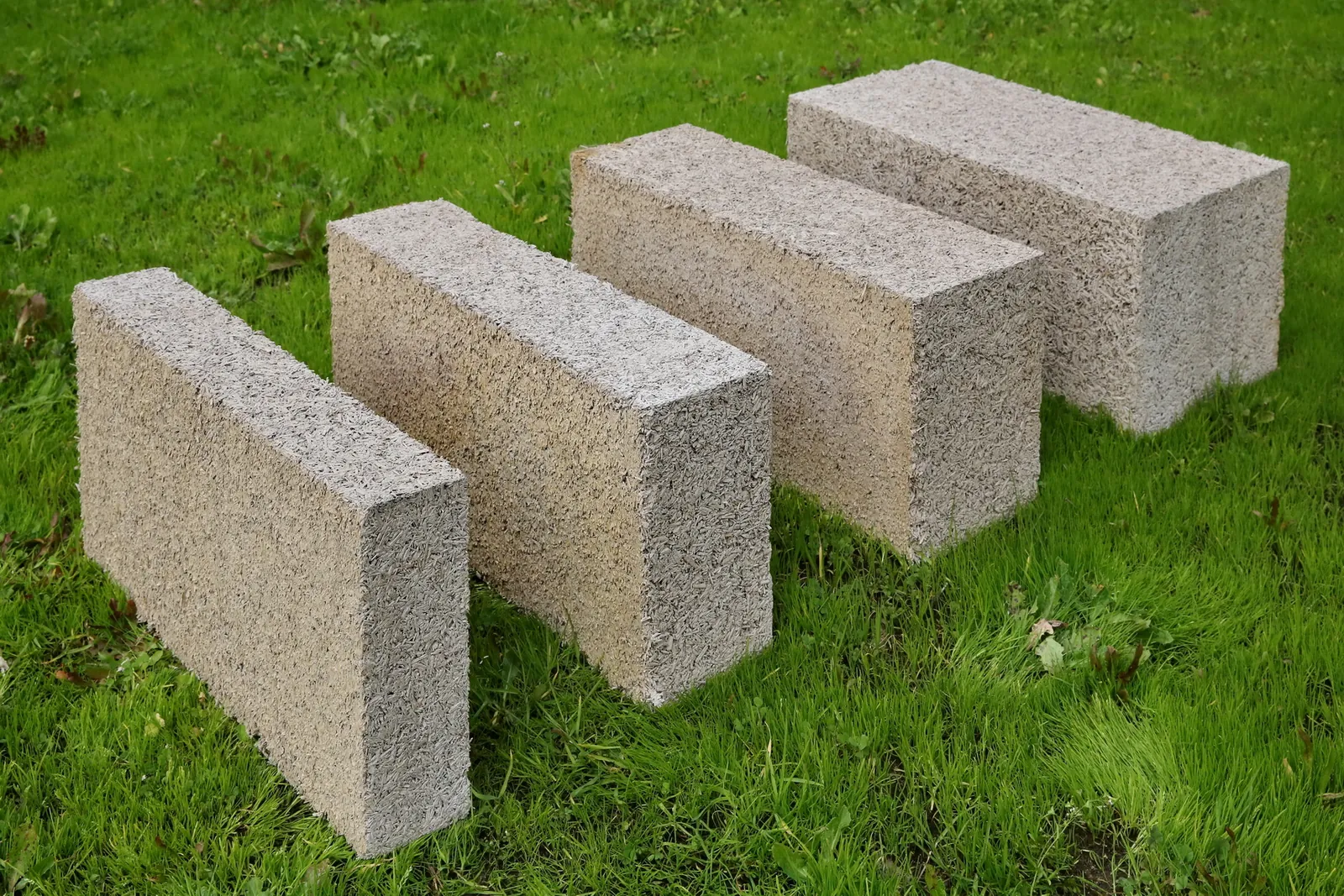
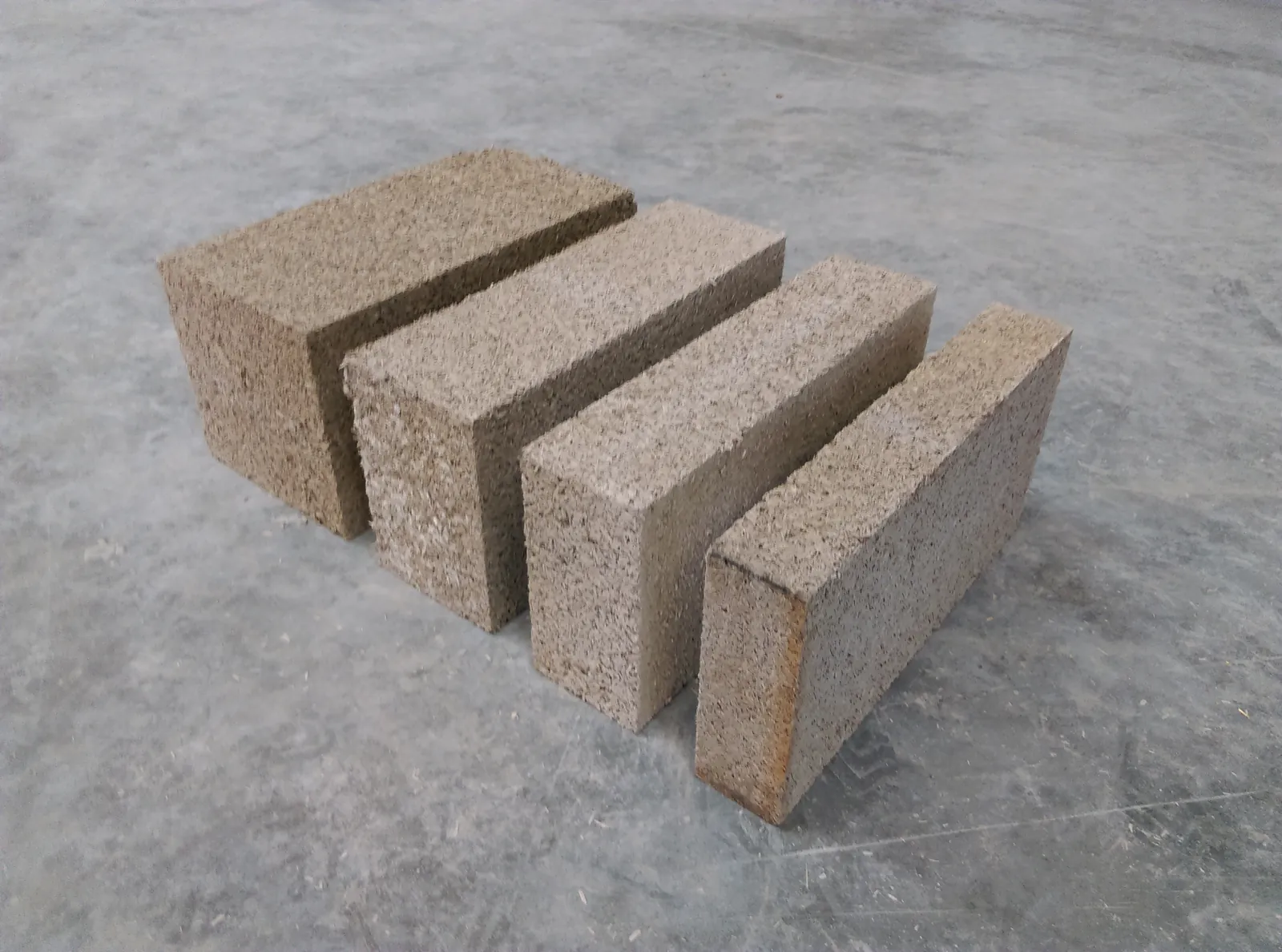
The MULTICHANVRE range in pictures
Read next
Planning a hemp block project?
Tell us about your project: we will reply within 48 working hours with a tailored costing.