Insulating an old house with hemp: complete technical guide
Insulating an old house with hemp means choosing a block suited to your project, taking into account thermal resistance, thermal lag and compatibility with the existing structure. Hemp naturally regulates humidity and provides summer comfort, but requires greater thickness than mineral wool for the same insulation performance.
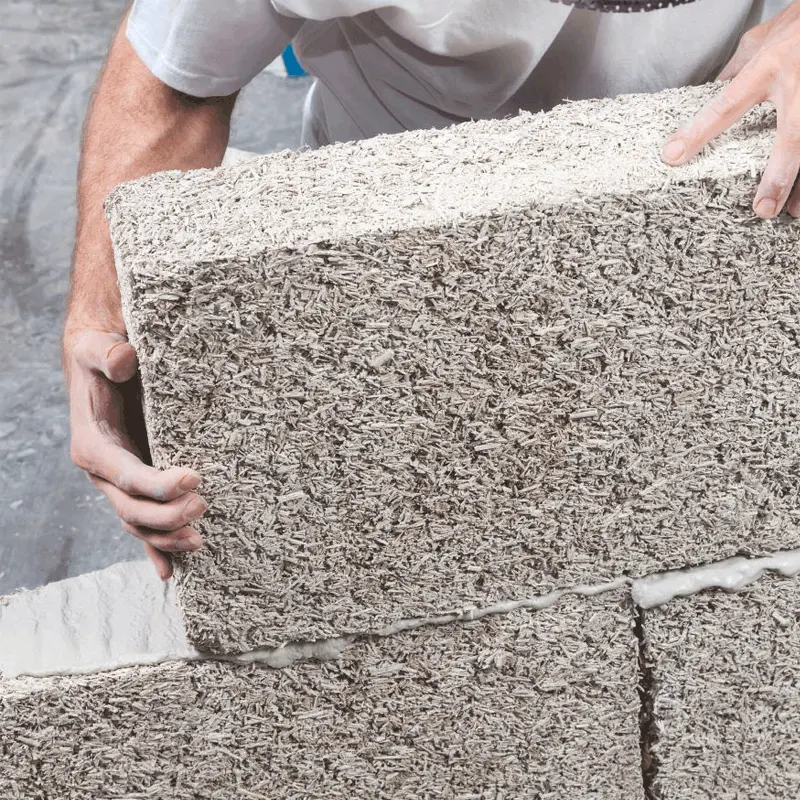
| Range | MULTICHANVRE |
|---|---|
| Format | 60 × 30 × 10 to 30 cm depending on thickness |
| Thermal conductivity λ | 0.065 W/(m.K) |
| Density | 300 kg/m³ |
| Thermal resistance R | 1.5 to 4.6 m².K/W depending on thickness |
| Installation | IWI, EWI, partitions, floors, timber frame |
Insulating an old house with hemp means choosing a block suited to your project, taking into account thermal resistance, thermal lag, and compatibility with the existing structure. Hemp naturally regulates humidity and provides summer comfort, but requires greater thickness than mineral wool for equivalent insulation.
Key features of hemp for insulating old houses
Hemp used for insulation is a bio-based material, made up of 84% hemp shiv—the woody core of the hemp stem—bound with Vicat natural prompt cement. This formulation gives the hemp block a density of around 300 kg/m³ and a thermal conductivity λ close to 0.065 W/(m.K), making it highly suitable for thermal insulation.
The hygrothermal properties of hemp are particularly well suited to older buildings, which are often built from porous materials such as stone or earth. Hemp blocks provide natural humidity regulation, maintaining relative humidity within a comfortable range. This helps prevent condensation and moisture-related damage in walls.
Thermal lag is another major advantage, reaching 18.5 hours for a 30 cm thickness, which helps keep interiors cooler in summer by delaying heat entering the building. In terms of safety, hemp achieves a fire rating of B-s1 d0, indicating limited reaction to fire, and is rated A+ for indoor air quality.
Finally, hemp blocks are naturally resistant to rodents without the need for chemical treatment, which is a real plus for long-term durability. These characteristics make hemp a logical choice for older buildings, especially those needing vapour-open walls and careful moisture management.
Choosing the right hemp blocks for renovating an old house
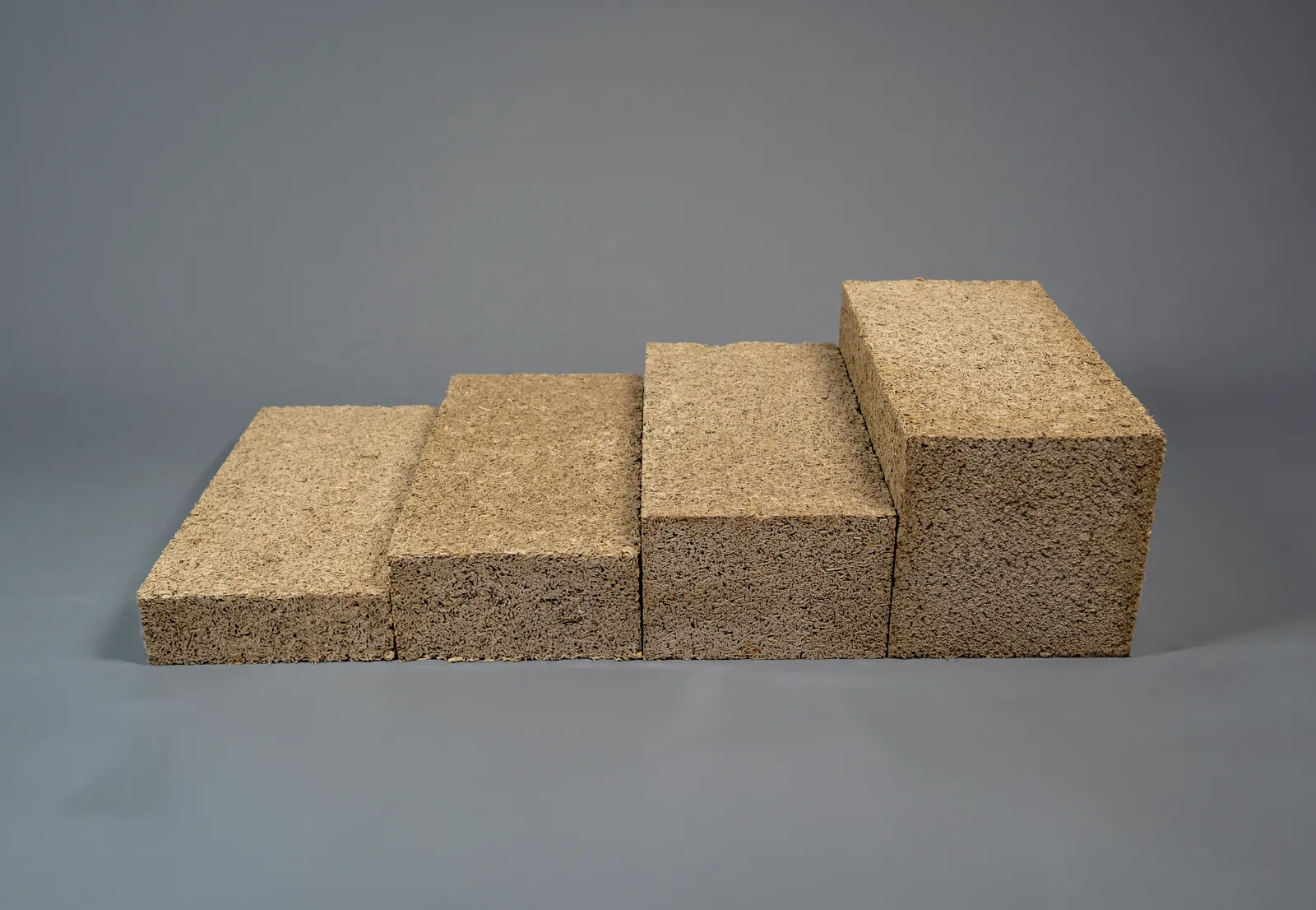
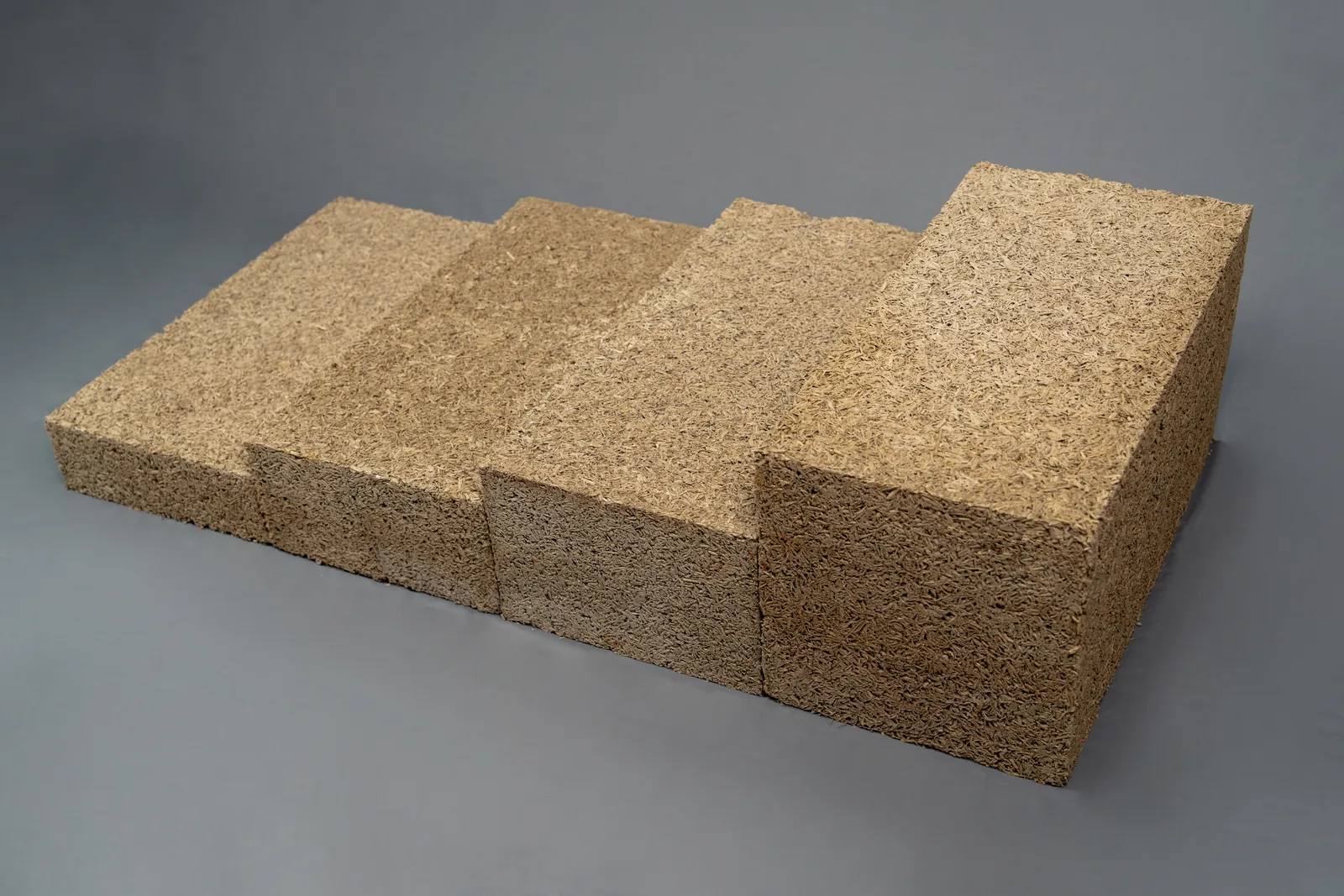
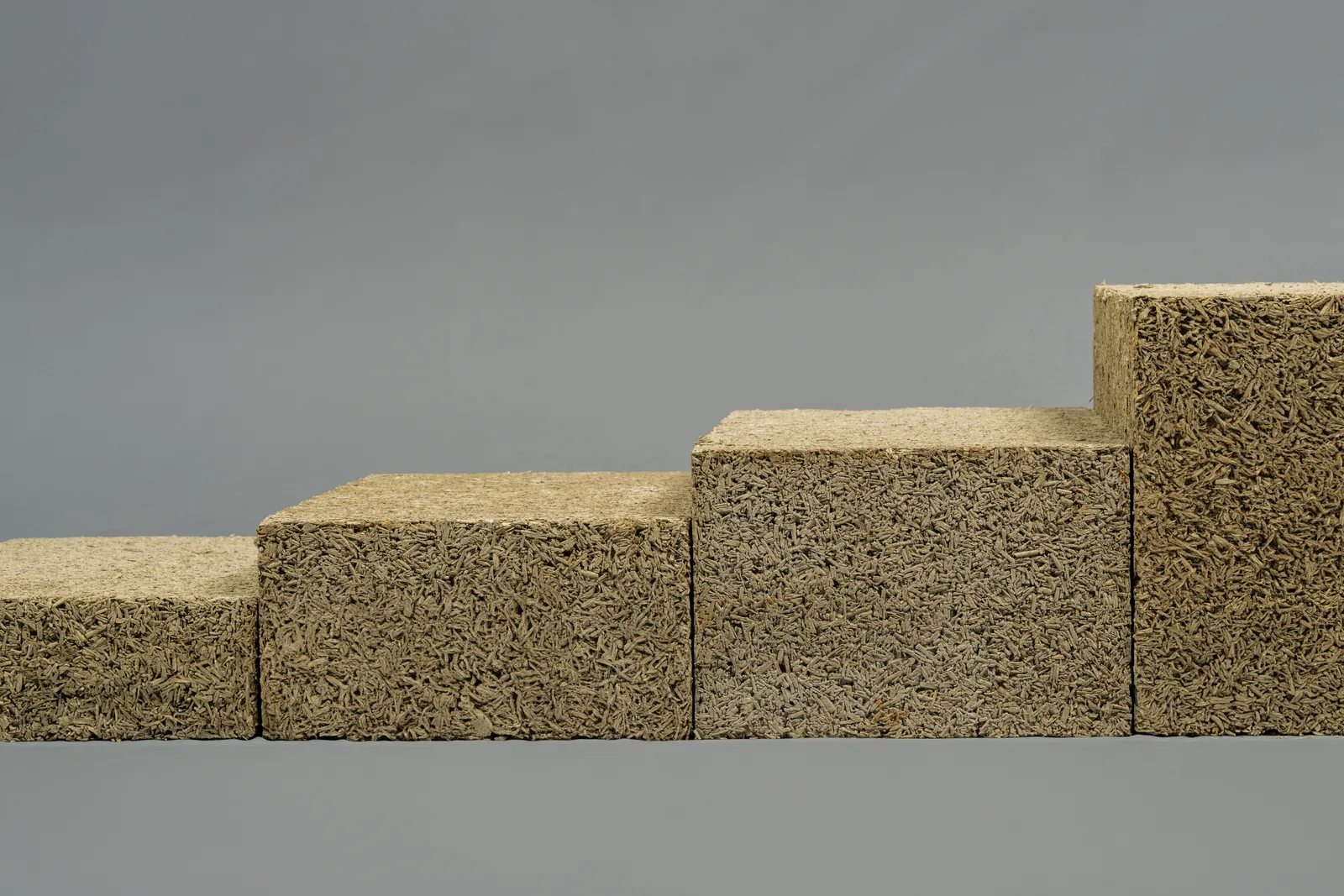
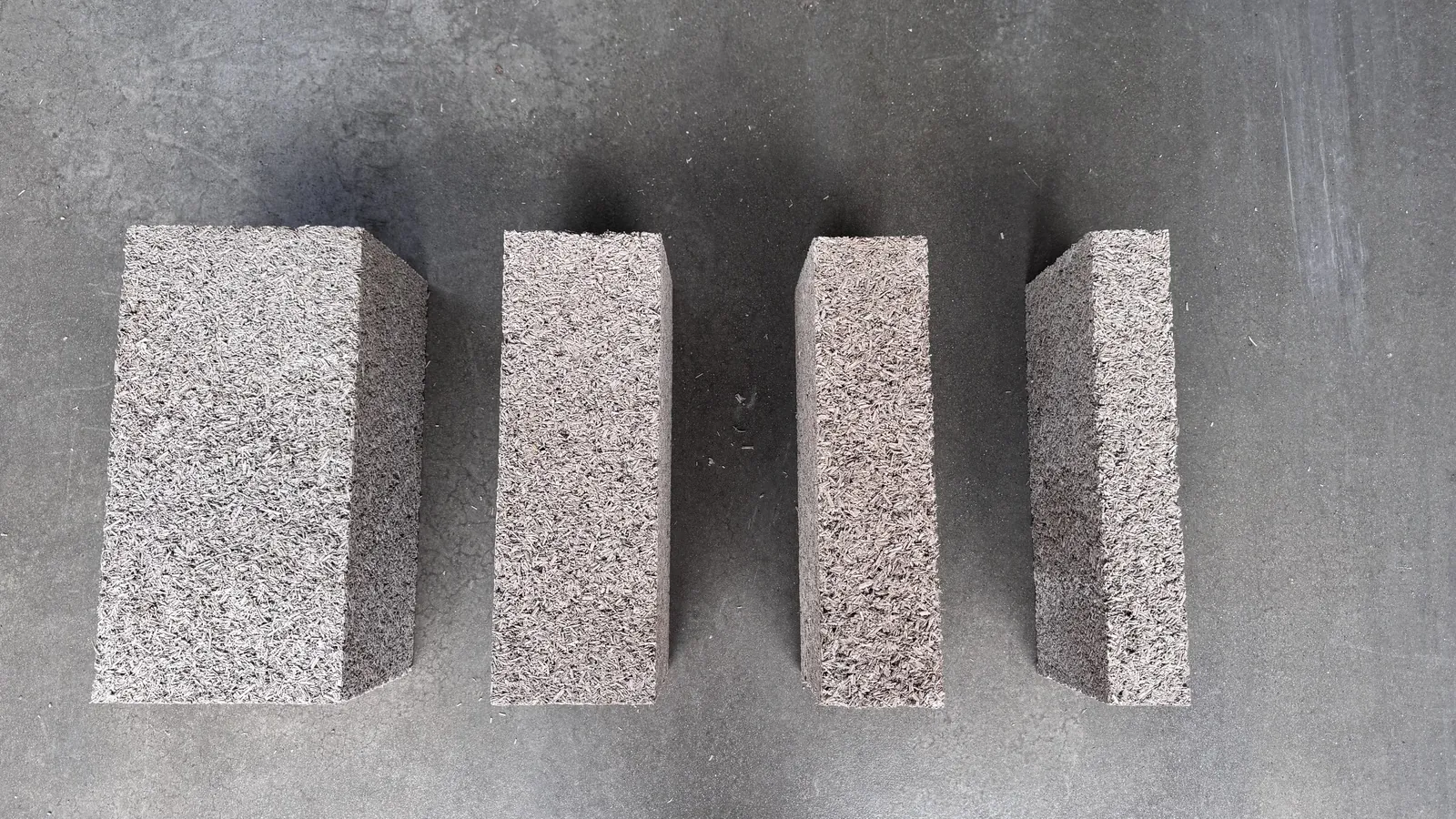
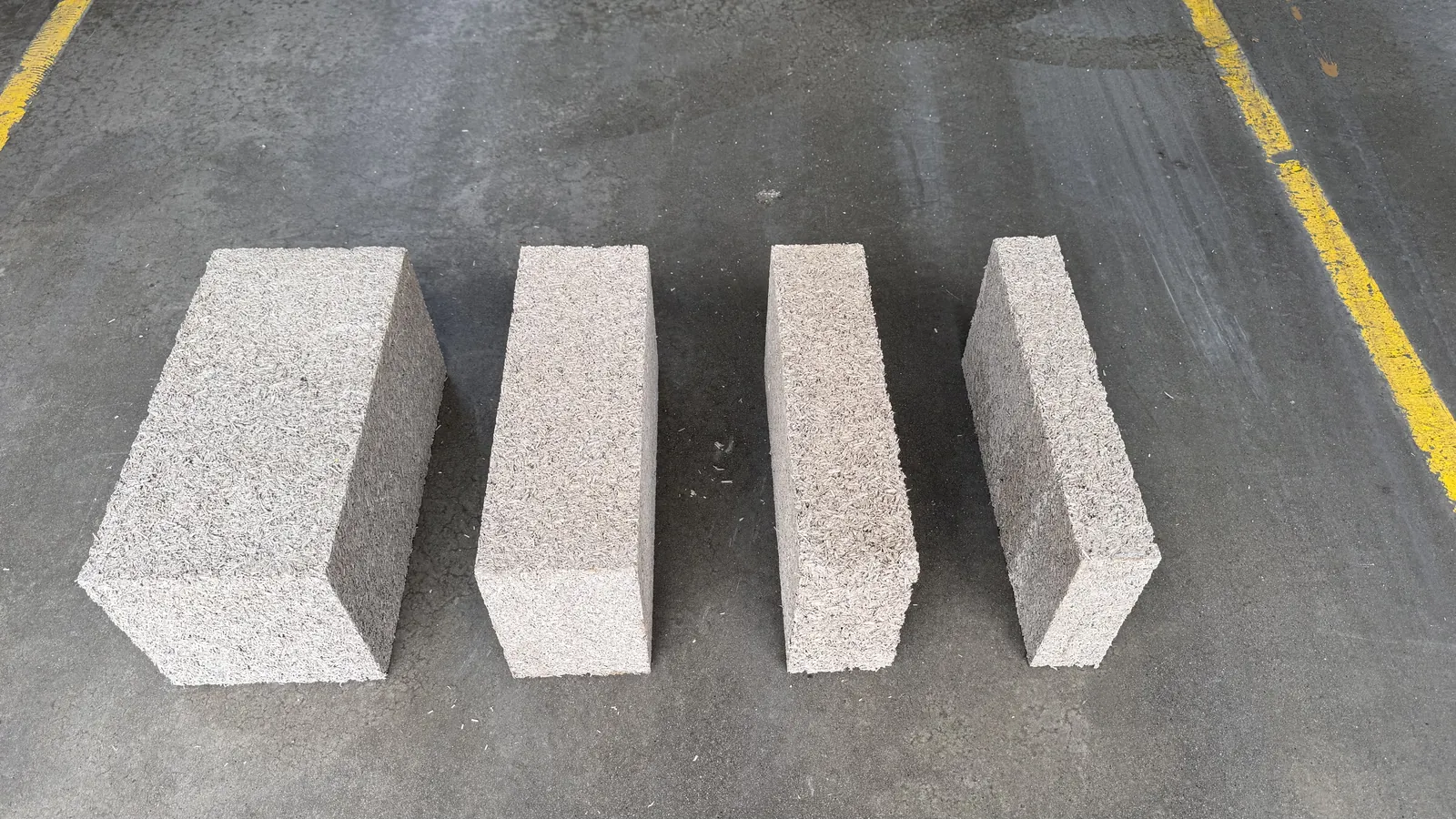
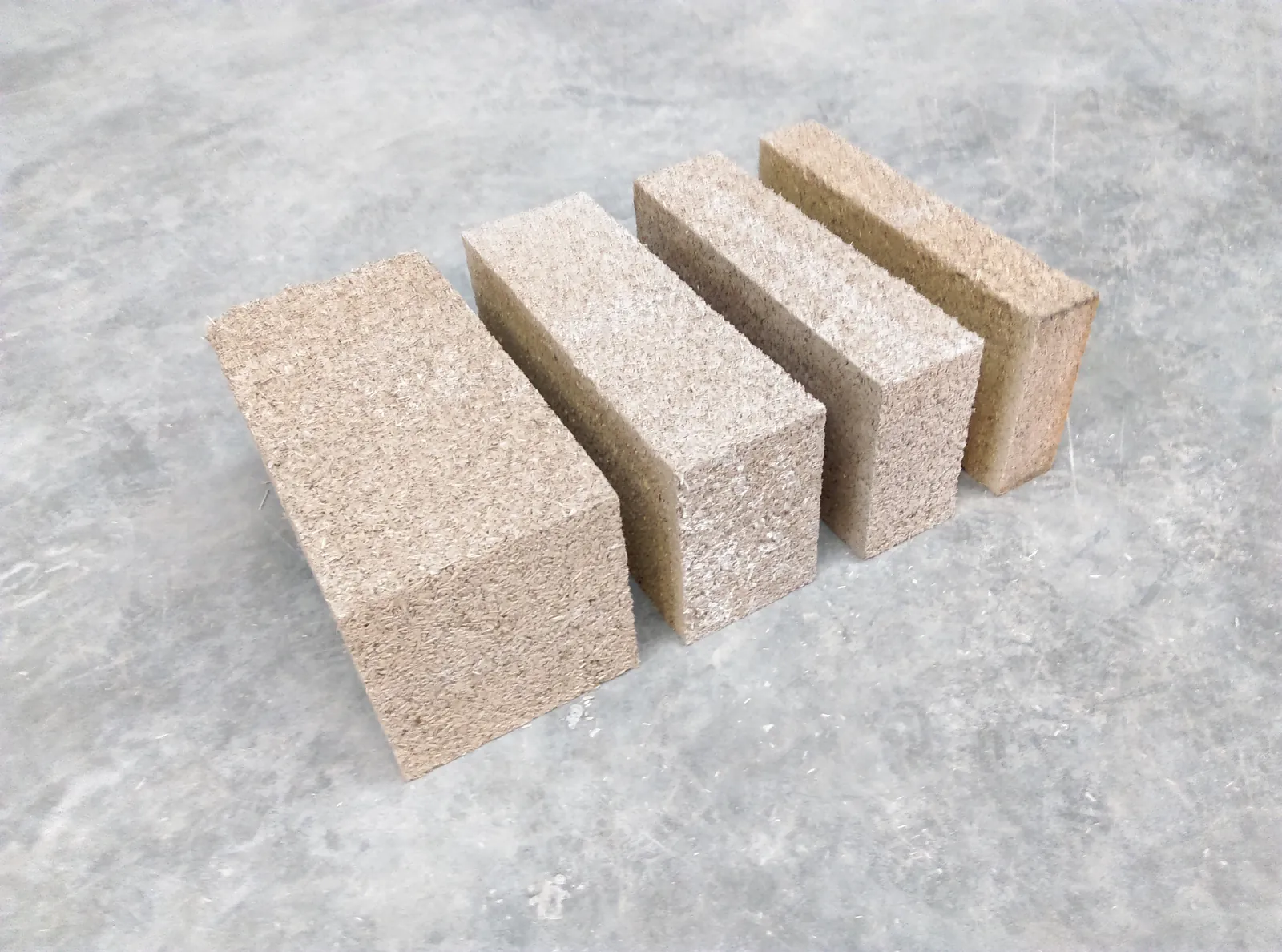
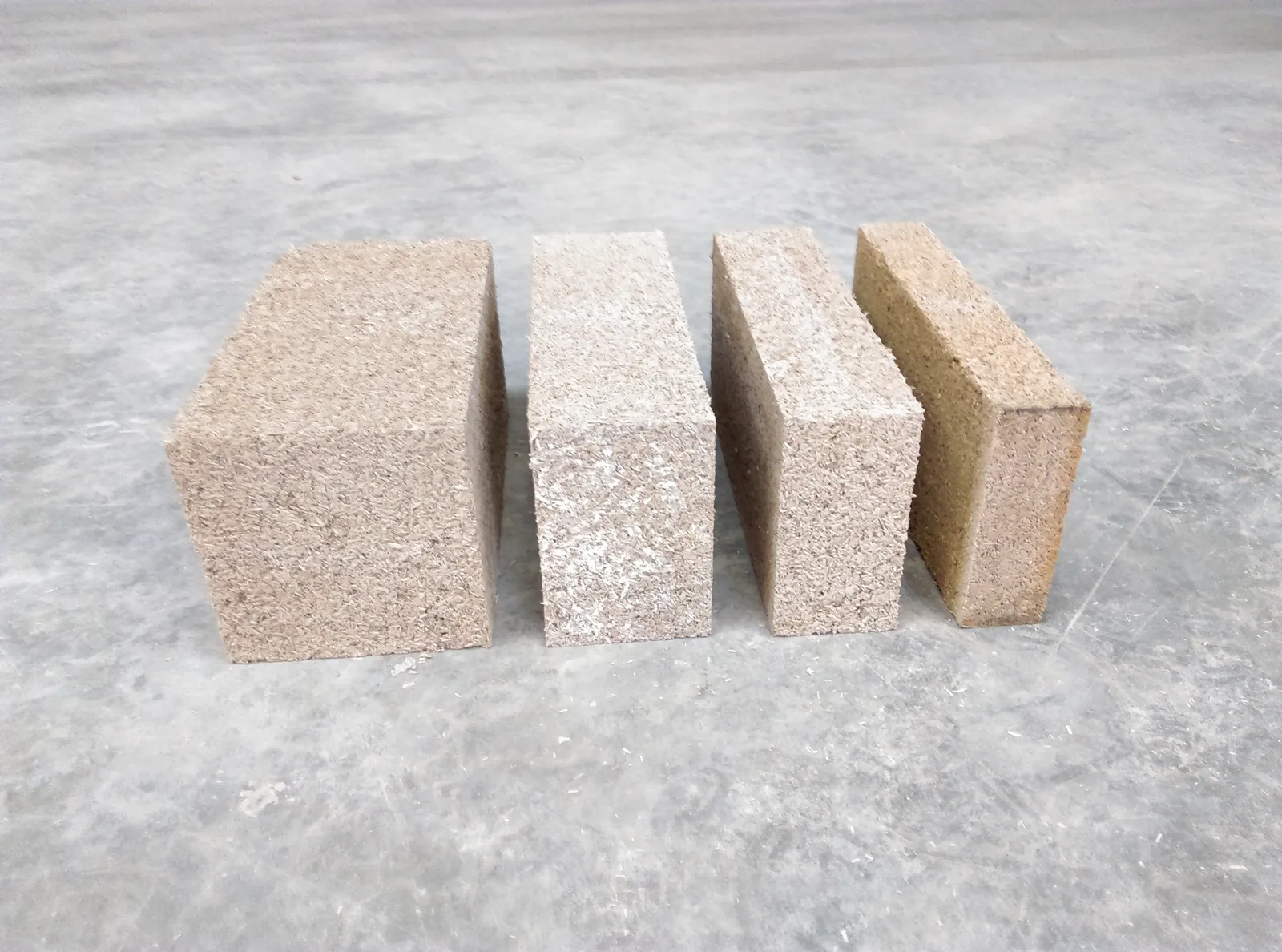
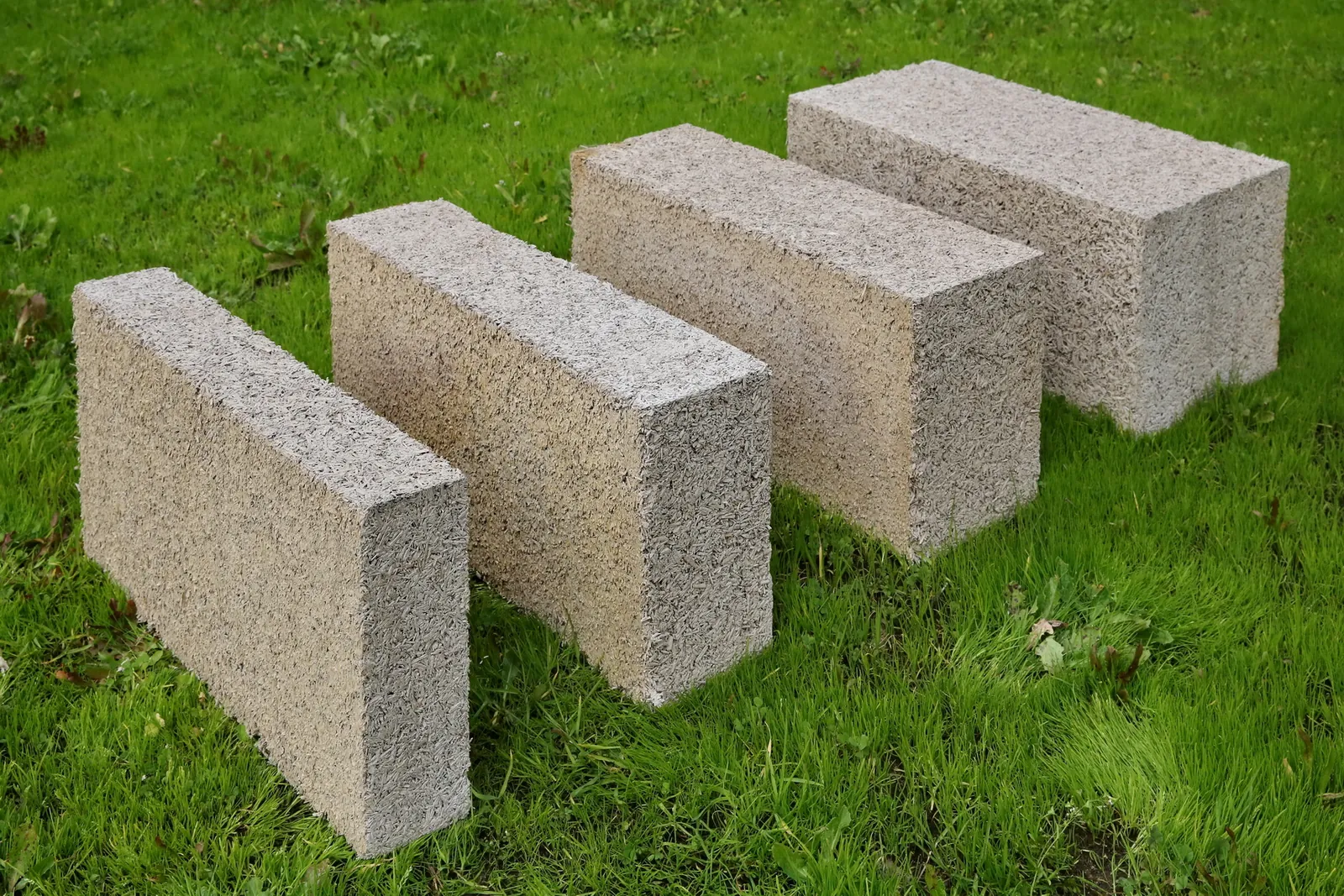
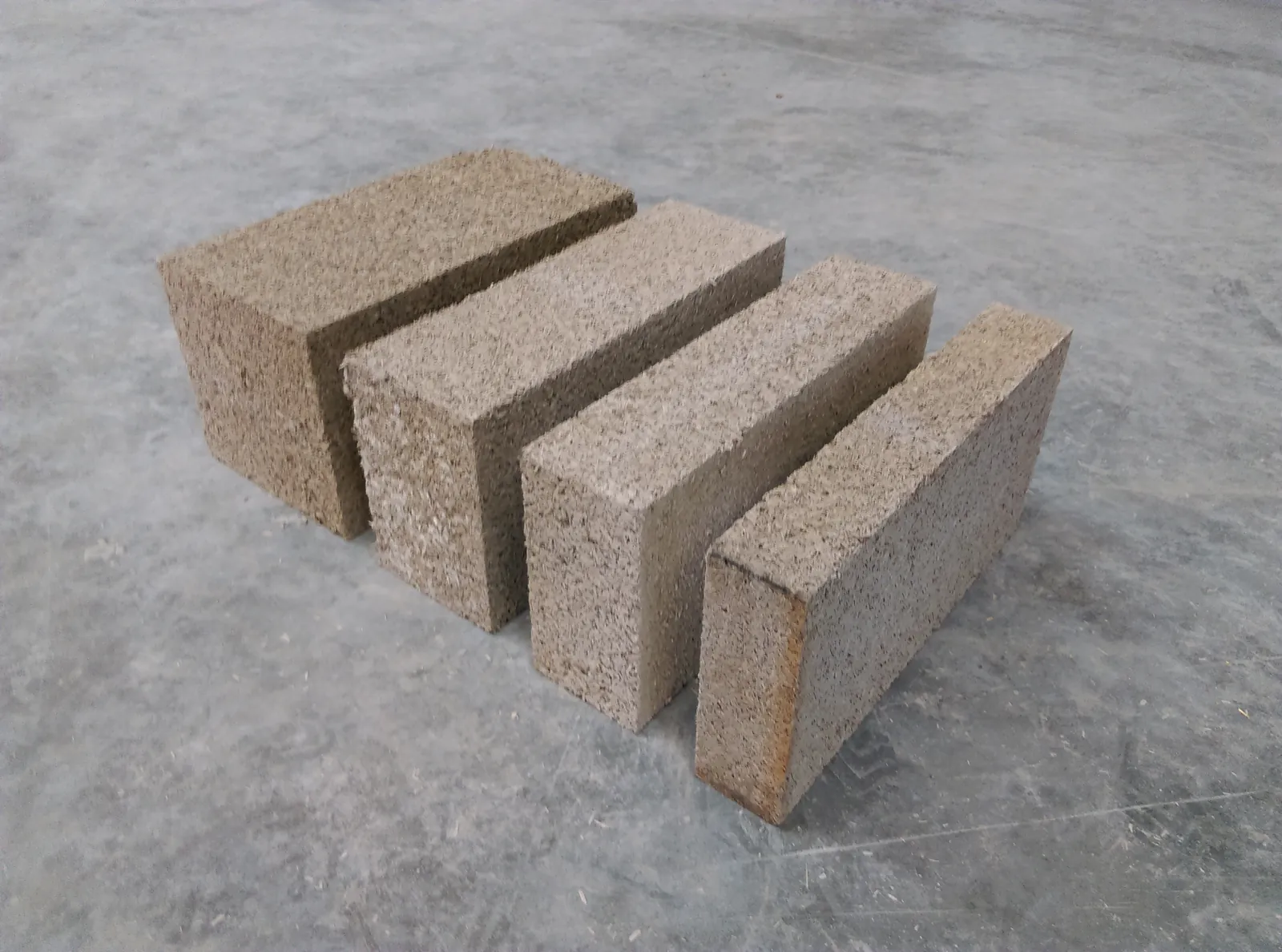
For insulating an old house with hemp, the MULTICHANVRE range offers several block thicknesses to suit different thermal and space requirements. The blocks come in a standard size of 60 × 30 cm, with four thicknesses available: 10, 15, 20, and 30 cm. Each thickness provides a specific thermal resistance R, from 1.5 to 4.6 m².K/W.
The thinnest, 10 cm, is suitable for partitions and lightweight linings, offering an R of 1.5 m².K/W, while 15 cm (R 2.3) is ideal for standard linings and more insulating partitions. The 20 cm blocks (R 3.0) are recommended for high-performance internal (IWI) or external (EWI) insulation, and the 30 cm blocks (R 4.6) are designed for high-performance external wall insulation.
It is important to note that hemp blocks are non-loadbearing and must be used with a supporting wall or an existing timber frame. This is crucial in renovation, where the structural support must be designed independently of the insulation system.
Block thickness constraints must also be considered: for internal insulation, greater thickness reduces available living space—a real trade-off in renovation projects. For external insulation, these limitations are less significant but a feasibility study is still needed, depending on the building’s architecture and surroundings.
| Thickness (cm) | Thermal resistance R (m².K/W) | Thermal lag (h) | Block weight (kg) | Pallet (blocks/pallet / m²/pallet) | Recommended use |
|---|---|---|---|---|---|
| 10 | 1.5 | 6.1 | 6.5 | 120 / 21.6 | Partitions, lightweight lining |
| 15 | 2.3 | 9.25 | 10 | 80 / 14.4 | Standard lining, partitions |
| 20 | 3.0 | 12.3 | 13 | 60 / 10.8 | High-performance IWI and EWI |
| 30 | 4.6 | 18.5 | 21 | 56 / 10.08 | High-performance EWI |
This table summarises the key characteristics to consider when choosing the right block for your renovation project. For more technical details, see the MULTICHANVRE range data sheets: thicknesses, R, thermal lag, pallet sizes as well as applications: IWI, EWI, partitions, floors and timber frame infill.
Installing hemp blocks in renovation
Hemp blocks are laid using thin-bed masonry, with a lime-based mortar applied using a notched trowel. Blocks are laid in a staggered bond to ensure thermal and mechanical continuity. The blocks are fixed to the supporting wall using metal brackets, about 2 per m², to ensure stability.
As the blocks are factory-made, there is no drying time required on site, making installation easier and faster. This is a real advantage over other wet materials that require waiting time.
For interiors, walls insulated with hemp blocks are finished with compatible plasters such as spray plaster, lime, earth or clay. These finishes maintain the vapour permeability and humidity regulation of the material.
For external applications, a lime-based render with full mesh reinforcement is recommended. This finish ensures durability and protects the blocks from the weather while maintaining the breathability of the wall.
Builders and design offices can find detailed technical guides and full documentation in the professionals section of the website, to support installation in line with best practice.
Technical comparison of MULTICHANVRE block thicknesses
| Thickness (cm) | R (m².K/W) | Thermal lag (h) | Block weight (kg) | Pallet (blocks/pallet / m²/pallet) | Recommended use |
|---|---|---|---|---|---|
| 10 | 1.5 | 6.1 | 6.5 | 120 / 21.6 | Partitions, lightweight lining |
| 15 | 2.3 | 9.25 | 10 | 80 / 14.4 | Standard lining, partitions |
| 20 | 3.0 | 12.3 | 13 | 60 / 10.8 | High-performance IWI and EWI |
| 30 | 4.6 | 18.5 | 21 | 56 / 10.08 | High-performance EWI |
The table above shows the main technical data for MULTICHANVRE blocks by thickness. Block weight increases with thickness, which may affect handling on site.
Installation speed depends on site conditions, but as the material is prefabricated, it remains relatively quick. For reference, the BIOSYS range, used with a reinforced concrete post-and-beam structure, allows for up to 30 m² per day (maximum, on a suitable site) with two workers, including the structure. However, this system is not loadbearing and is intended for specific projects.
The impact on usable floor area is an important factor for internal renovation. The thicker the insulation, the more living space is lost. This trade-off between thermal performance and usable space should be carefully assessed, ideally with advice from a thermal design consultant.
Advantages and limitations of hemp blocks for old houses
- CO₂ storage and environmental impact: Hemp blocks are a bio-based material made from 100% French raw materials. They store CO₂, helping to meet RE2020 (France's environmental building regulation) requirements and reduce the building’s carbon footprint.
- Natural humidity regulation and summer comfort: Their ability to maintain relative humidity within a comfortable range and their high thermal lag ensure a comfortable indoor climate, especially in summer.
- Greater thickness required: To achieve the same thermal resistance as mineral wool, hemp blocks need to be thicker, which can be a constraint for internal renovation.
- Non-loadbearing: Hemp blocks do not support structural loads and must be used with a supporting wall or timber frame, requiring appropriate design.
- Compatibility with old walls: Hemp is suitable for old, vapour-open walls, allowing good water vapour permeability and reducing the risk of moisture-related problems.
These advantages and limitations should be considered when choosing insulation for an old house. A thermal study and analysis of the building’s constraints are recommended to confirm the solution.
Examples of renovation applications with hemp blocks
- Internal and external wall insulation (IWI and EWI): MULTICHANVRE blocks, in 20 cm or 30 cm thickness, are suitable for both types of insulation. For IWI, they are fixed to the supporting wall with brackets and finished with a compatible internal plaster. For EWI, they are protected by a lime render with full mesh reinforcement.
- Floor insulation under screed: Hemp can be used as insulating infill under a screed, providing effective insulation and humidity regulation.
- Timber frame infill: Hemp blocks are ideal for filling timber frame panels, combining thermal insulation and hygrothermal comfort.
- Internal partitions: 10 cm and 15 cm blocks can be used to build lightweight, breathable, insulating partitions.
- Adaptations for stone walls: Hemp blocks are compatible with stone walls thanks to their vapour permeability, provided best practice is followed for installation and finishing to maintain the breathability of the building.
These applications are detailed on the dedicated applications: IWI, EWI, partitions, floors and timber frame infill page and in the associated technical guides.
Finishes and maintenance for hemp-insulated walls
Internal finishes should preserve the hygrothermal properties of the block. Compatible plasters include spray plaster, lime, earth or clay. These materials allow the necessary water vapour permeability for the system to function properly.
Externally, walls insulated with hemp blocks are protected by a lime-based render with full mesh reinforcement, ensuring durability and protection from the elements.
Maintenance of hemp-insulated walls is minimal. It is important to check for water ingress, especially in renovation, to prevent any damage. Repairs and touch-ups can be carried out with the same renders, making maintenance straightforward.
The choice of finish plays a key role in indoor comfort and the longevity of the material, which is why it is advisable to consult the full guide on compatible renders for hemp block walls.
Indicative prices and steps for insulating an old house with hemp
The indicative price for hemp blocks starts at around €35/m² incl. VAT for the 10 cm thickness, but this varies depending on the thickness chosen. It is important to remember that the total cost of insulation includes supply, installation, finishing, and any necessary structural adaptations.
Commercial response times are 48 working hours, making project planning easier. Availability is mainly in the Bourgogne-Franche-Comté region, but the site targets a national audience and offers technical support.
To get a quote tailored to your hemp insulation project, it is recommended to request a quote for hemp block insulation, specifying your building’s characteristics and your requirements.
Technical comparisons and price guides are available in the hemp block price per m²: 2026 benchmarks and technical comparisons section, to help you understand how hemp fits into insulation solutions.
Frequently asked questions
What thickness of hemp block should I choose to insulate an old house?
The choice depends on your thermal requirements and space constraints. The MULTICHANVRE range offers thicknesses from 10 to 30 cm, providing thermal resistance from 1.5 to 4.6 m².K/W, suitable for internal, external or partition insulation.
Are hemp blocks compatible with stone walls?
Yes, hemp blocks are suitable for stone walls, thanks to their vapour permeability and humidity regulation. It is important to follow best practice for installation and finishing to maintain the breathability of the wall.
Which renders should be used with hemp blocks in renovation?
Lime-based renders, spray plaster, earth or clay are compatible for interiors, while for exteriors, a lime render with full mesh reinforcement is recommended to ensure durability and breathability.
Are hemp blocks loadbearing?
No, hemp blocks are not loadbearing. They are used to line an existing supporting wall or to fill a timber frame. The structural support must be designed separately.
How does hemp provide summer comfort?
Hemp has high thermal lag (up to 18.5 hours at 30 cm thickness), which delays heat transfer, combined with natural humidity regulation, providing effective summer comfort.
How long does it take to get a quote for hemp insulation?
Vieille Matériaux SAS guarantees a response within 48 working hours for any quote request for hemp blocks.
Are hemp blocks recyclable?
Yes, hemp blocks are a renewable and recyclable material, made from 100% French raw materials, with a favourable carbon footprint.
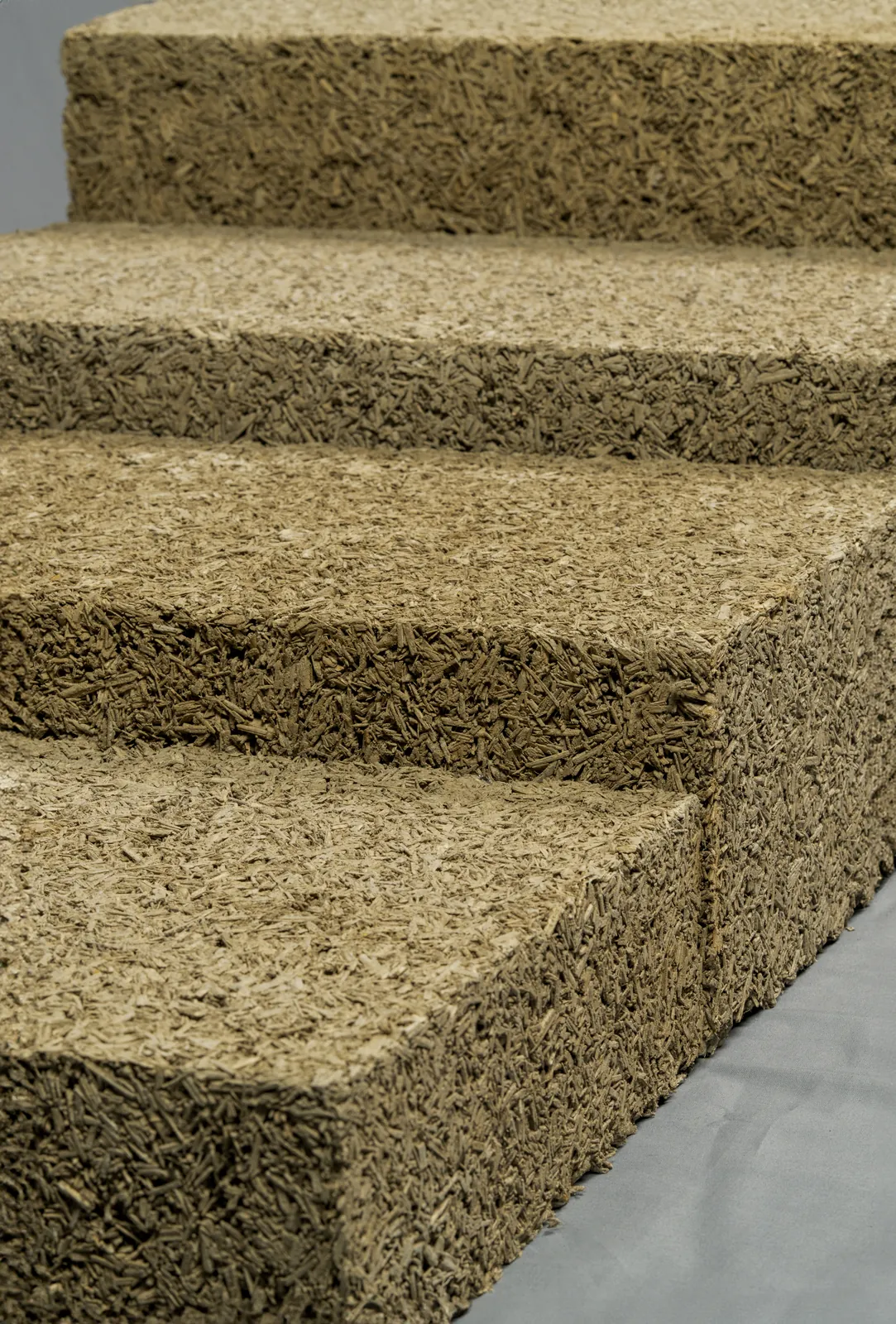
The MULTICHANVRE range in pictures
Read next
Planning a hemp block project?
Tell us about your project: we will reply within 48 working hours with a tailored costing.