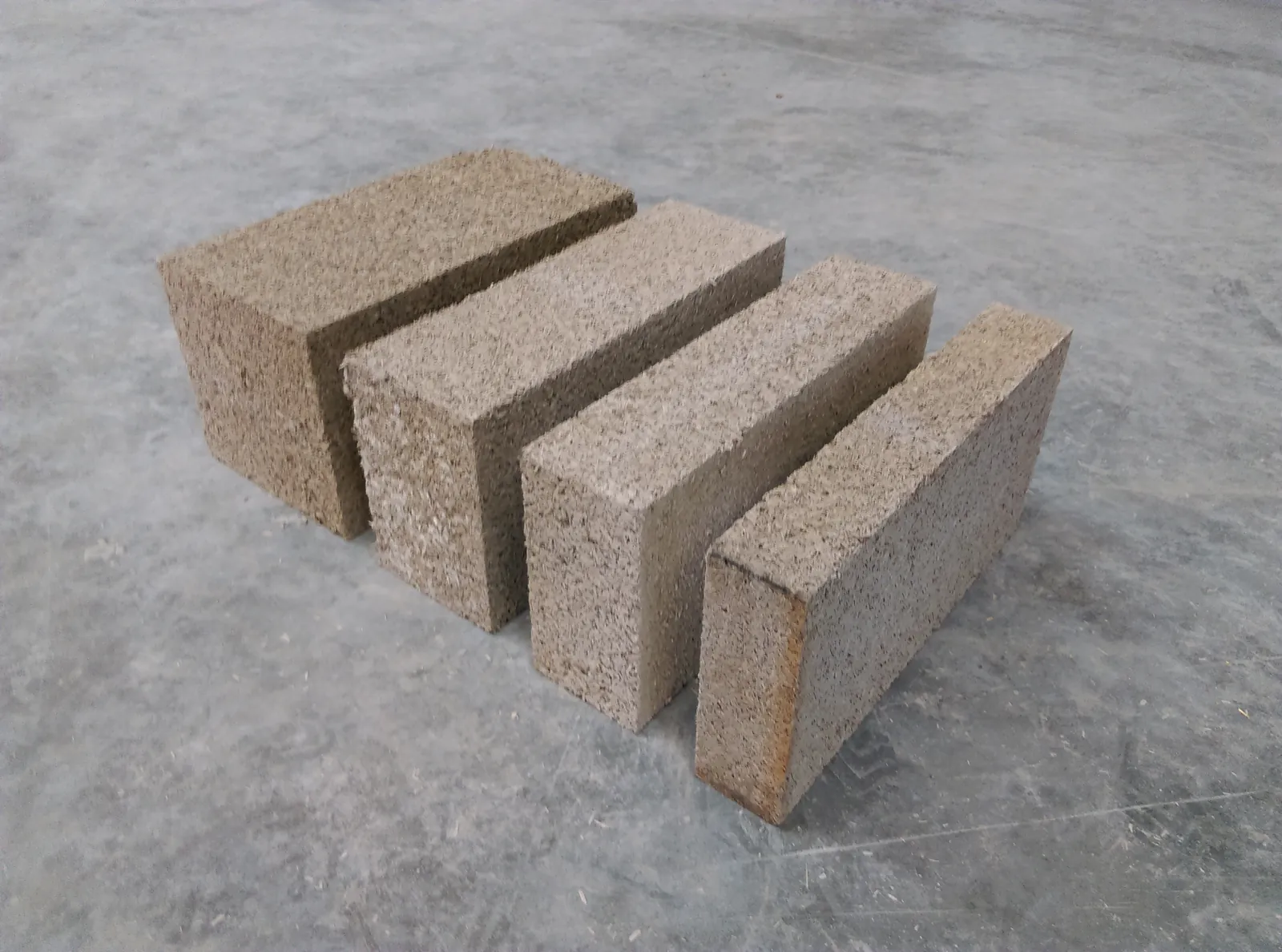
30 cm hemp block: high-performance bio-based insulation for technical projects
The 30 cm hemp block offers a useful thermal resistance of 4.2 m².K/W, a thermal lag of 18.5 hours, and a thermal conductivity of 0.065 W/(m.K). It is used for high-performance external wall insulation (EWI) and new-build construction. Installation requires a load-bearing structure and a compatible render.
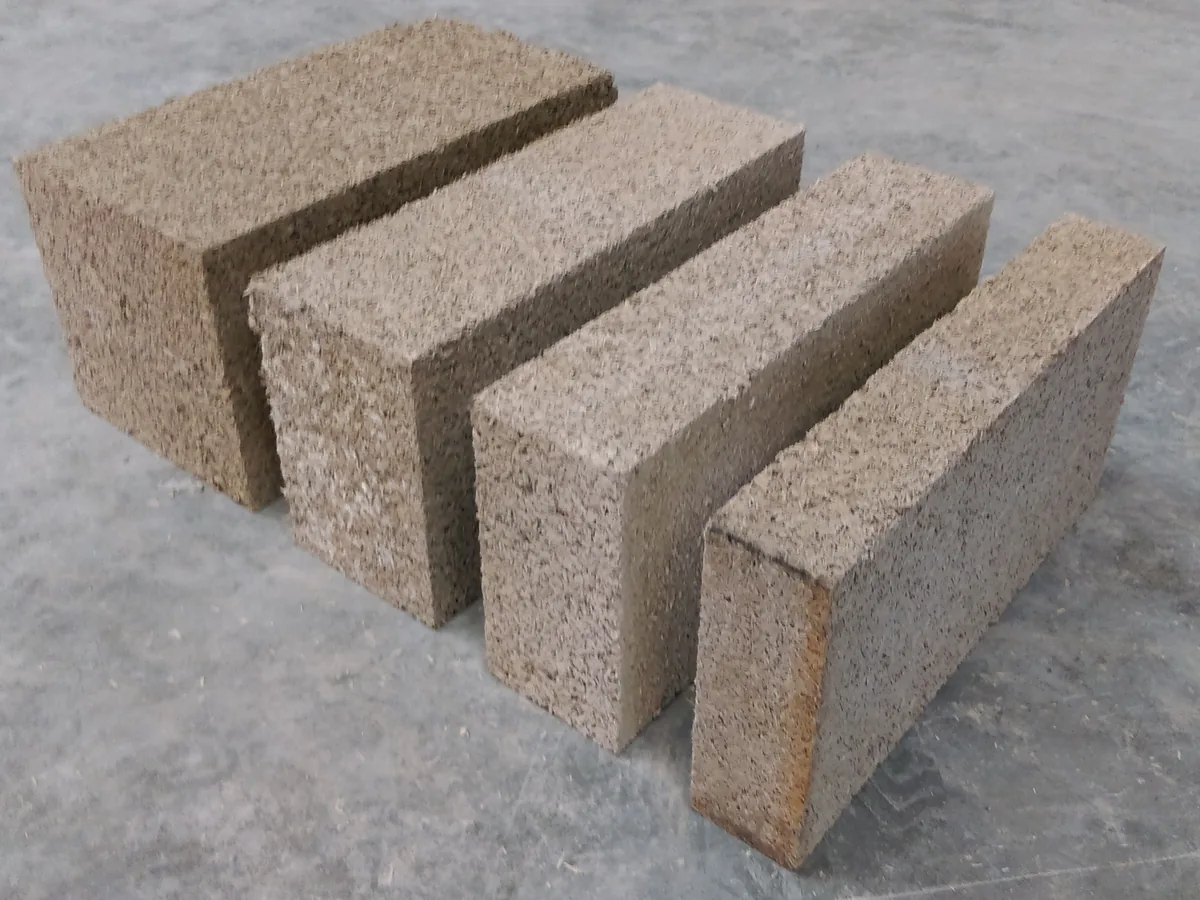
| Range | MULTICHANVRE |
|---|---|
| Format | 60 × 30 × 30 cm |
| Thermal conductivity λ | 0.065 W/(m.K) |
| Density | 300 kg/m³ |
| Thermal resistance R | Useful R 4.2 m².K/W |
| Installation | High-performance EWI and new-build construction |
The 30 cm hemp block provides a useful thermal resistance of 4.2 m².K/W, a thermal lag of 18.5 hours, and a thermal conductivity of 0.065 W/(m.K). It is used for high-performance external wall insulation (EWI) and new-build construction. Installation requires a load-bearing structure and a compatible render.
Composition and technical properties of the 30 cm hemp block
- Composition: 84% hemp shiv and Vicat natural prompt cement
- Thermal conductivity λ dry ≈ 0.065 W/(m.K)
- Density ≈ 300 kg/m³
- Thermal lag of 18.5 hours, ideal for summer comfort
- Fire rating: B-s1,d0
- Indoor air quality rated A+
- Effective humidity regulation within a comfortable range
The 30 cm hemp block is made from 84% hemp shiv—the woody core of hemp stems grown in Franche-Comté—combined with a mineral binder, Vicat natural prompt cement, known for its vapour permeability. This composition gives the block thermal and hygrothermal properties suited to modern insulation needs. Its dry-state thermal conductivity is around 0.065 W/(m.K), offering good insulating performance. With an average density of about 300 kg/m³, this material is classed as a heavyweight insulant, providing significant thermal mass. The thermal lag—the delay between outdoor and indoor temperature changes—is 18.5 hours for a 30 cm thickness, helping to prevent summer overheating.
The block also has a B-s1,d0 fire rating, confirming its low contribution to flame spread and smoke emission. It is rated A+ for indoor air quality, ensuring very low emissions of volatile organic compounds. Finally, the block naturally regulates humidity within a comfortable range, supporting long-term indoor comfort and protecting building structures.
Physical and dimensional characteristics
- Block size: 60 × 30 cm (width x height)
- Thickness: 30 cm
- Unit weight: 21 kg
- Packing: 56 blocks per pallet, covering 10.08 m² per pallet
- Straight-edged block, suitable for bonded masonry with staggered joints
- Ready for rendering
The 30 cm hemp block comes in a standard size of 60 cm wide by 30 cm high, with a thickness of 30 cm. This format is compatible with common insulating masonry practices, making installation straightforward. Each block weighs around 21 kg, which should be considered for site handling. Blocks are supplied on pallets of 56, covering approximately 10.08 m², allowing for efficient supply planning.
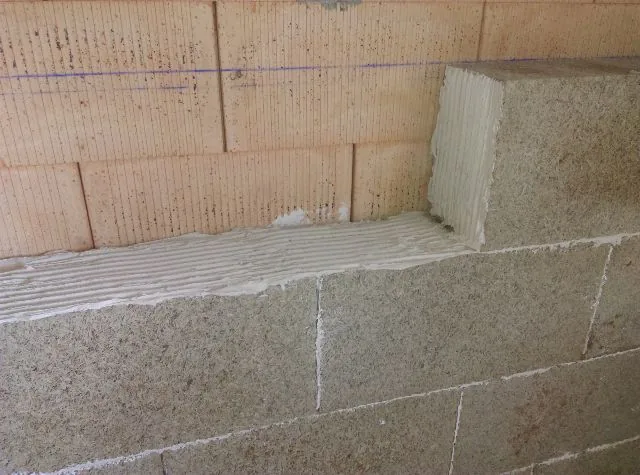
The block has straight edges, allowing for bonded masonry with staggered mortar joints, which improves thermal continuity. This installation method leaves the wall ready for a finishing render, with no further preparation needed. For more details on the range, installation and packing, see the MULTICHANVRE range: thicknesses, R-values, thermal lag, packing.
Thermal and acoustic performance
- Thermal resistance R dry: 4.6 m².K/W
- Useful thermal resistance R (for thermal studies): 4.2 m².K/W
- Thermal lag: 18.5 hours
- Sound absorption coefficient α = 0.85
- Significant reduction of thermal bridges thanks to bonded masonry and staggered joints
- Need to balance thickness and living space in IWI
The 30 cm hemp block stands out with a dry-state thermal resistance of 4.6 m².K/W. The useful value, to be used in regulatory thermal studies, is slightly lower at 4.2 m².K/W, mainly due to site conditions and real-world use. This level of thermal performance places it among the most effective bio-based insulants, suitable for new builds and ambitious renovations.
The 18.5-hour thermal lag helps to smooth out temperature swings and improves summer comfort by limiting overheating. Acoustically, the block has an absorption coefficient α of 0.4, helping to reduce both impact and airborne noise in buildings.
Bonded masonry with staggered joints greatly reduces thermal bridging, a common weakness in masonry walls. However, some bridging remains at the joints, though its impact is limited. For internal wall insulation (IWI), the thickness needed to match the performance of mineral insulants can reduce usable floor area, so this should be considered when choosing insulation. For a more detailed analysis and comparisons, see Hemp block thermal resistance: technical characteristics and uses.
Recommended uses and limitations
- High-performance external wall insulation (EWI) and new-build construction
- Timber frame infill
- Hemp block is not load-bearing: a supporting structure is required
- Not suitable for structural load-bearing applications
- Be aware of loss of living space in IWI to achieve equivalent thermal resistance to mineral insulants
- Strict storage: pallets must be kept dry, sheltered, and not stacked
The 30 cm hemp block is mainly intended for high-performance external wall insulation (EWI) and as infill for timber frames in new-build projects. It is important to note that this block is not structural and does not bear any load from the supporting structure. Structural support must be provided by a load-bearing wall, timber frame, or another suitable system. The block acts as insulation and infill only, and cannot replace a structural element.
It is therefore not suitable for applications where the insulating wall must also provide mechanical strength, as in some traditional masonry systems. For IWI, the thickness required to achieve the same thermal resistance as mineral insulants is greater, which can result in a significant loss of living space. This trade-off should be considered at the design stage.
Finally, pallet storage requires special care. The block is not rot-proof and must be kept dry and sheltered, with no stacking, to preserve its properties. These recommendations are detailed on our applications page.
Installation guide and compatible finishes
- Bonded masonry with staggered mortar joints
- Application of lime-based mortar with a notched trowel, fixed to the substrate with brackets
- Possible interior finishes: spray plaster, lime, earth or clay
- Exterior finishes: lime-rich renders with full mesh reinforcement
- Do not install without a specific installation guide for hemp blocks
Installation of the MULTICHANVRE 30 cm block follows a proven three-step method. Lime-based mortar is applied with a notched trowel to the bonding surfaces. The blocks are then laid with staggered joints, ensuring thermal continuity and minimising thermal bridges. Mechanical fixing to the substrate is achieved using brackets, typically two per square metre, to ensure masonry stability.
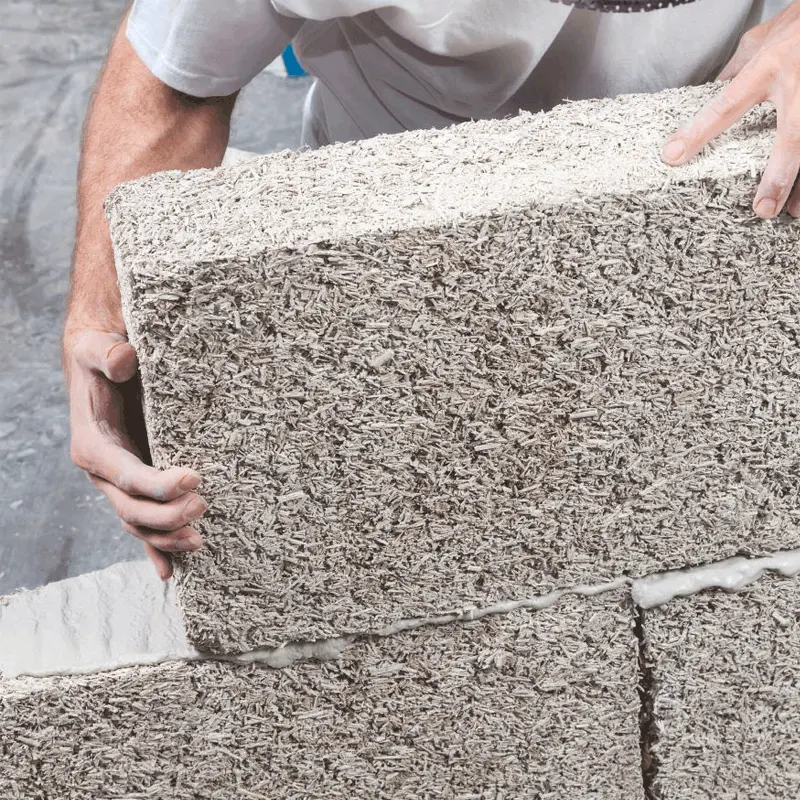
The finished masonry is ready for rendering. For interiors, compatible finishes include spray plaster, lime-based renders, earth or clay—materials that preserve the block’s humidity regulation and contribute to indoor comfort. For exteriors, lime-rich renders with full mesh reinforcement are recommended to protect and ensure the durability of the wall against weathering.
We strongly recommend referring to our comprehensive installation guide for hemp blocks, which details best practices, required tools and step-by-step instructions to ensure quality and durability.
Technical comparison of MULTICHANVRE blocks by thickness
| Thickness (cm) | R dry value (m².K/W) | R useful value (m².K/W) | Thermal lag (h) | Block weight (kg) | Packing (blocks/pallet) | Surface per pallet (m²) | Recommended use |
|---|---|---|---|---|---|---|---|
| 10 | 1.5 | 1.4 | 6.1 | 6.5 | 120 | 21.6 | IWI / EWI |
| 15 | 2.3 | 2.1 | 9.25 | 10 | 80 | 14.4 | IWI / EWI / partitions |
| 20 | 3.0 | 2.8 | 12.3 | 13 | 60 | 10.8 | IWI / EWI / partitions / infill / floors |
| 30 | 4.6 | 4.2 | 18.5 | 21 | 56 | 10.08 | High-performance EWI and construction |
This table provides a technical comparison of MULTICHANVRE blocks by thickness. Thermal resistance increases with thickness, from a useful value of 1.4 m².K/W at 10 cm to 4.2 m².K/W at 30 cm. Thermal lag follows the same trend, offering greater summer comfort. Block weight and pallet packing also vary, affecting logistics and handling.
Recommended uses depend on performance: thinner blocks are suitable for partitions and floor insulation, while thicker ones are intended for external insulation and new builds requiring high performance. For more details, see The MULTICHANVRE range: thicknesses, R-values, thermal lag, packing.
Environmental impact and raw material sourcing
- Hemp shiv from Franche-Comté crops grown without irrigation or pesticides
- Taproot system helps break up soil compaction
- Natural mineral binder, vapour-open
- Recyclable and renewable formulation
- Plant-based carbon stored in the block
- Verified FDES carbon footprint
The 30 cm hemp block is made from locally sourced raw materials, mainly hemp shiv from crops in Bourgogne-Franche-Comté. This hemp is grown without irrigation or pesticides, in a cycle of around 120 days. The hemp’s taproot system helps break up soil compaction and improves soil biology—a recognised agronomic benefit of the hemp sector.
The binder used is Vicat natural prompt cement, a hydraulic binder that is vapour-open and contributes to the block’s strength and durability. The block’s formulation is both recyclable and renewable, with long-term storage of plant-based carbon from the hemp shiv, helping to reduce the material’s environmental impact.
According to the Environmental and Health Declaration Sheet (FDES), the block’s carbon footprint is declared in its FDES, which is useful for environmental studies and for comparison with other insulation solutions. For more on the supply chain and environmental assessment, see our page Hemp as a material: the French supply chain and environmental impact.
Advice on choosing the best bio-based insulation for your project
- Thickness is key to achieving high thermal performance
- Consider the load-bearing structure and material compatibility
- Choose between internal and external insulation according to constraints and goals
- Compare with other bio-based and mineral insulants to assess space/performance investment
- Consult technical guides and case studies to refine your choice
- Request a quote and personalised advice
Choosing the best bio-based insulation depends on several project-specific factors. Insulation thickness is crucial: to achieve high thermal resistance, greater thickness is often needed, which can affect living space, especially for internal insulation.
It is essential to consider compatibility with the existing or planned load-bearing structure, as hemp blocks do not carry structural loads. For new builds, external wall insulation (EWI) can be preferred to preserve interior space.
Comparing hemp blocks with other bio-based or mineral insulants helps weigh up the trade-offs between thermal performance, environmental impact, cost and installation. Our technical guides and case studies are valuable resources to help you make an informed choice.
Finally, we recommend requesting a quote from our team via our Request a quote for your project page, to get a solution tailored to your needs and objectives.
Frequently asked questions
What is the thermal conductivity of the 30 cm hemp block?
The dry-state thermal conductivity λ of the 30 cm hemp block is approximately 0.065 W/(m.K).
Can the 30 cm hemp block support structural loads?
No, the hemp block is not load-bearing and must be used with a supporting structure such as a load-bearing wall or timber frame.
What are the recommended uses for the 30 cm hemp block?
It is suitable for high-performance external wall insulation, timber frame infill, and new-build construction requiring good insulation.
What types of finishes are compatible with this block?
Compatible interior finishes include spray plaster, lime, earth or clay; for exteriors, lime-rich renders with full mesh reinforcement are recommended.
How are MULTICHANVRE blocks installed?
Installation is done in three steps: apply lime-based mortar with a notched trowel, lay blocks with staggered joints and fix to the substrate with brackets, then apply a suitable render.
What is the thermal lag of the 30 cm block?
The measured thermal lag for the 30 cm block is around 18.5 hours, which helps improve summer thermal comfort.
Is the hemp block rot-proof and resistant to pests?
The block is not rot-proof and must be stored dry and sheltered. However, it does have natural resistance to rodents, pests and mould.
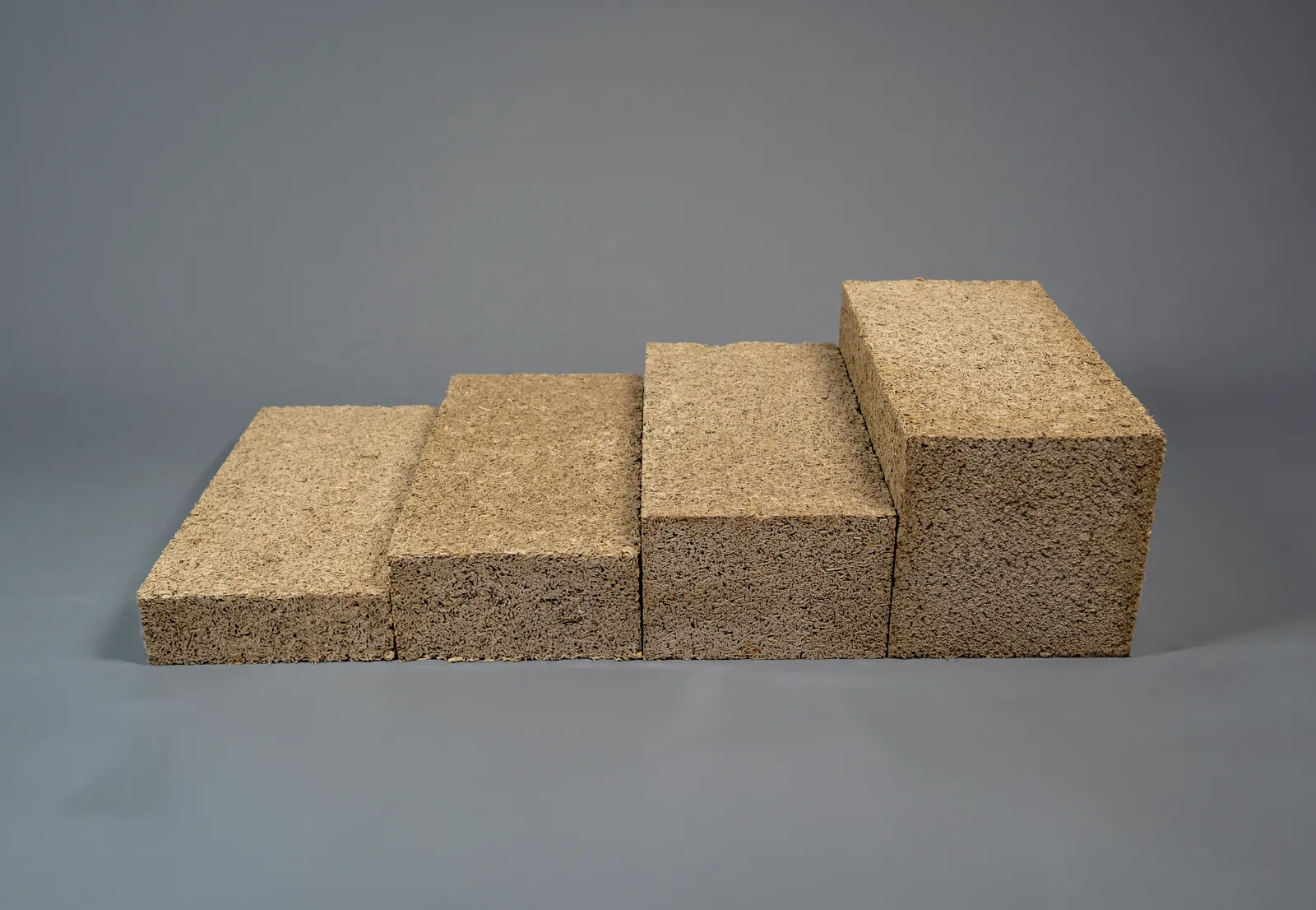
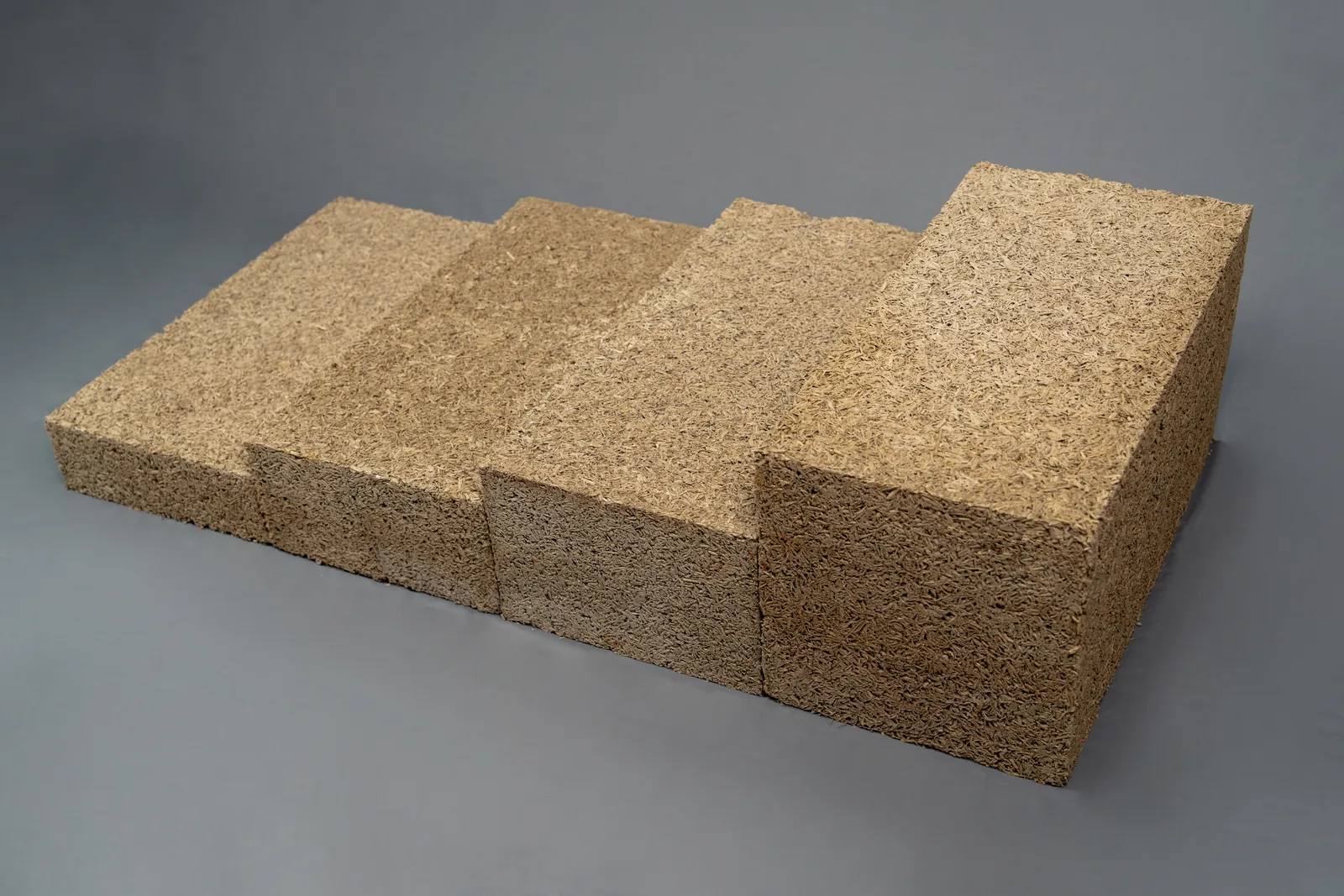
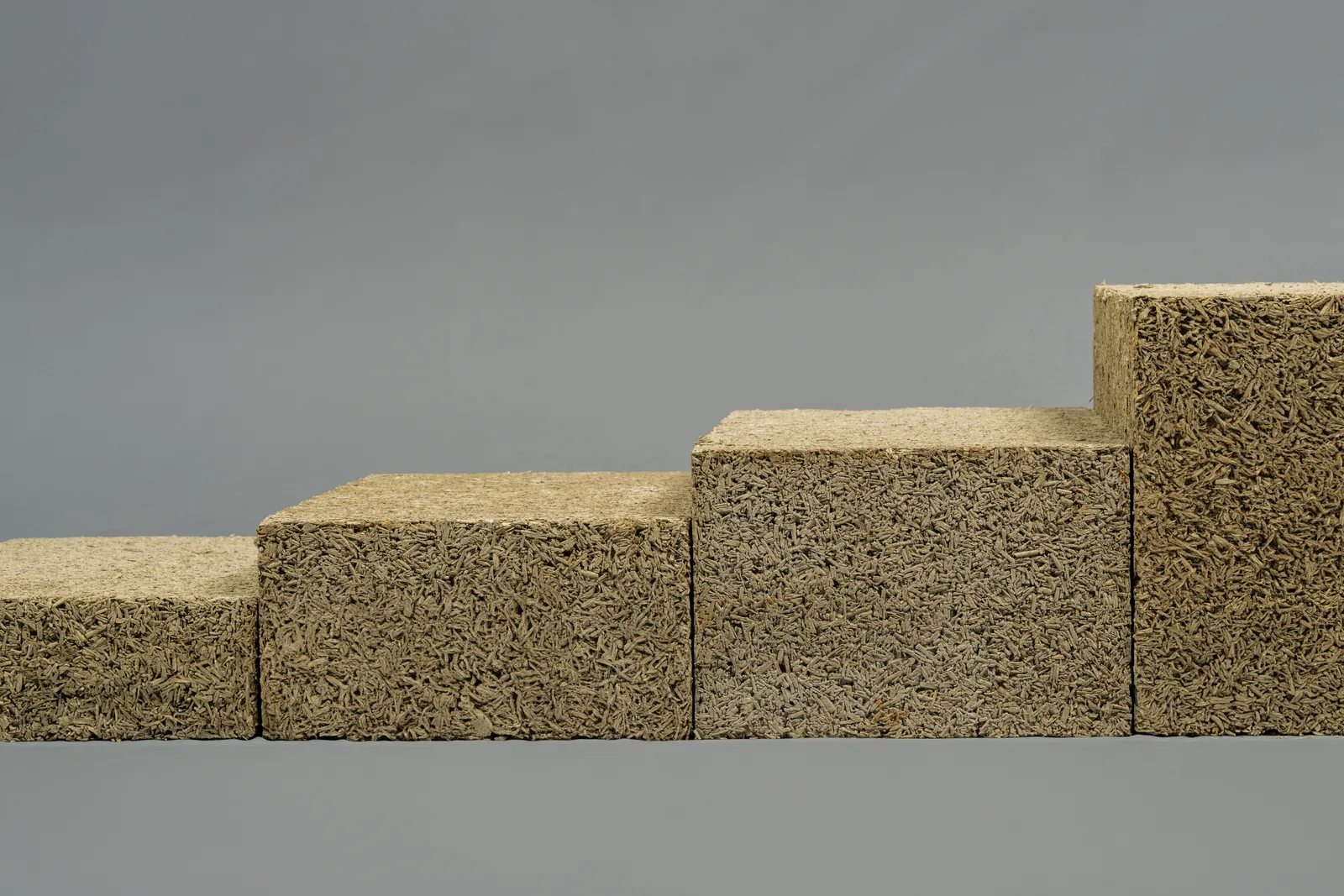
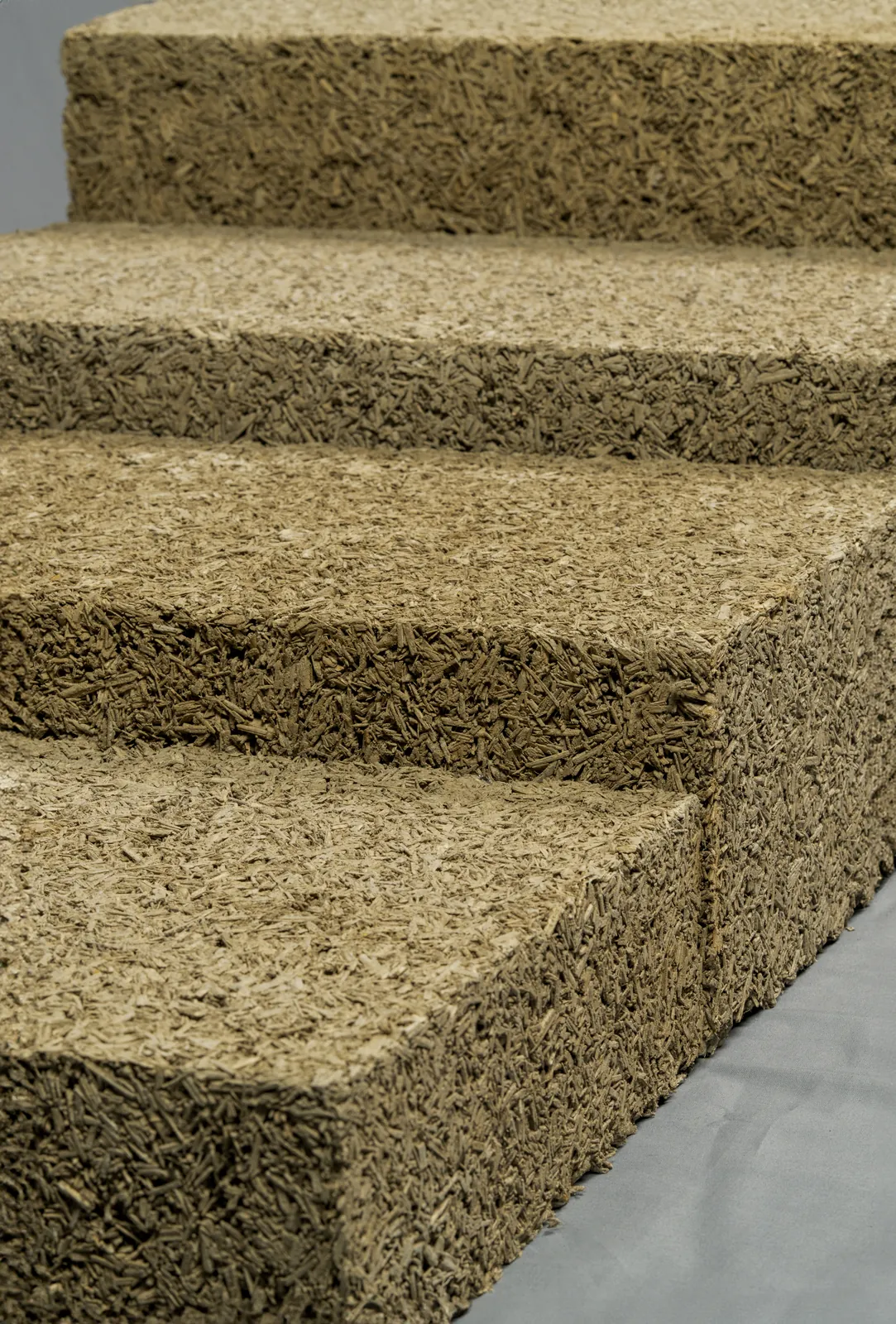
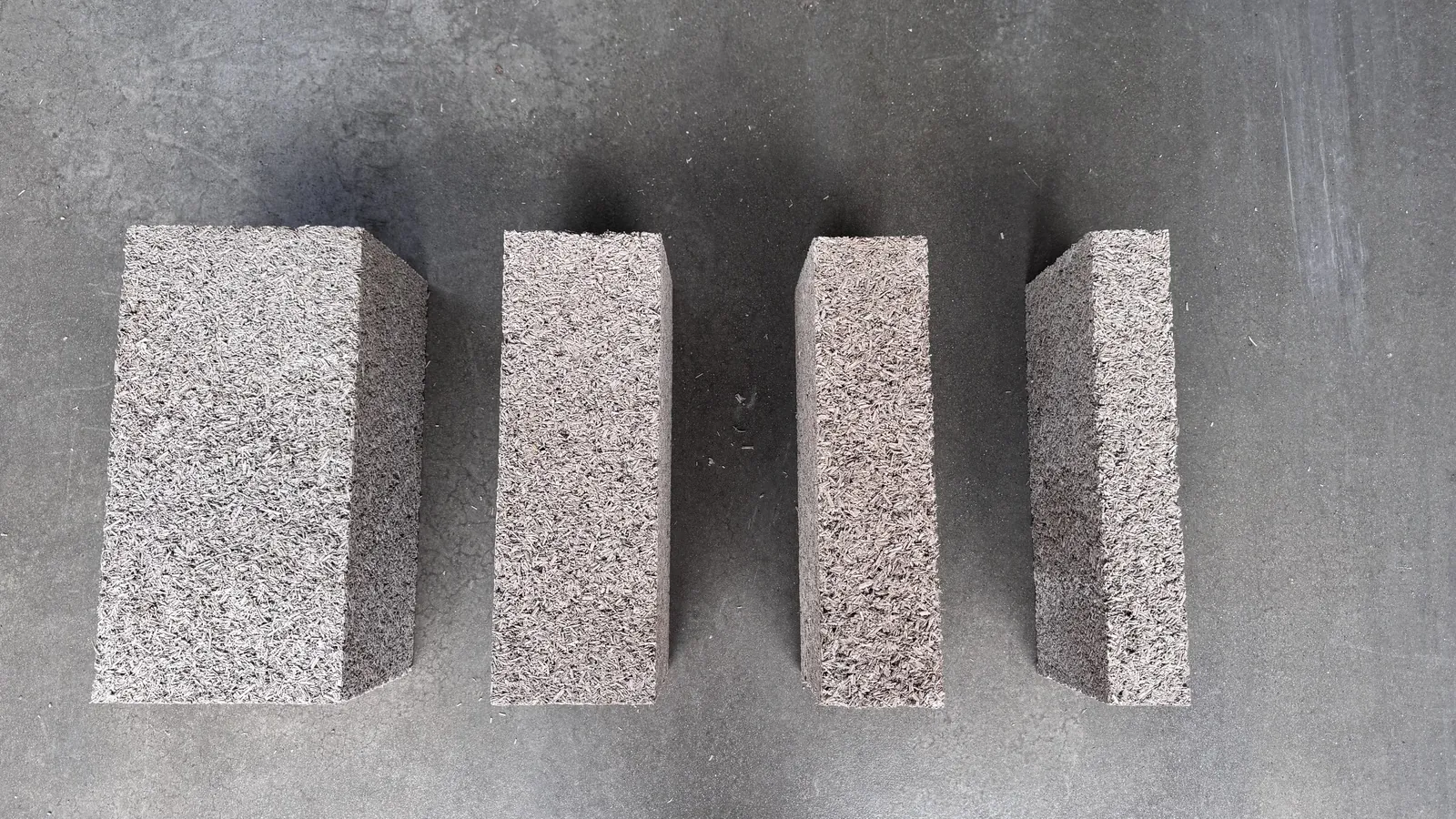
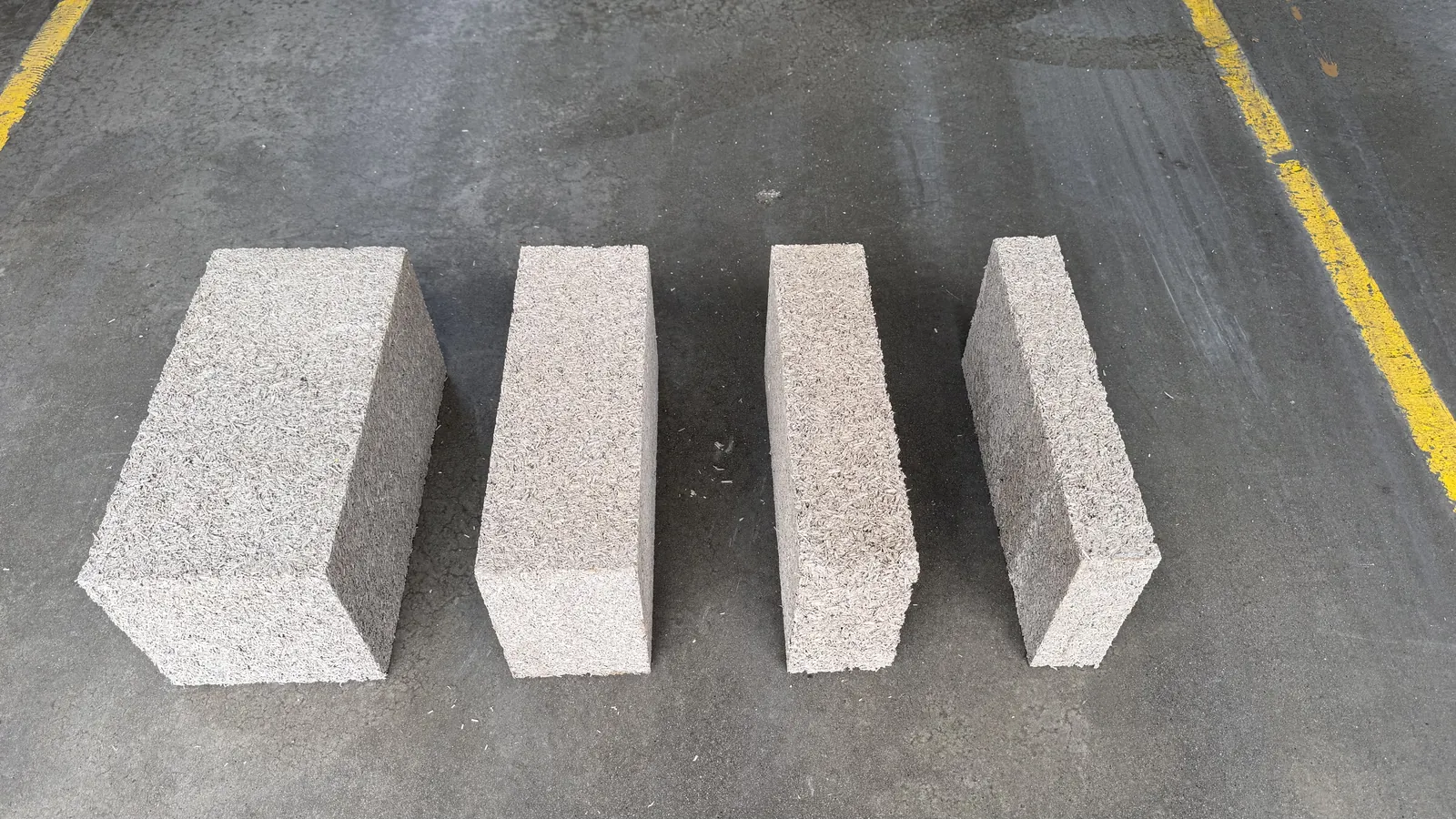
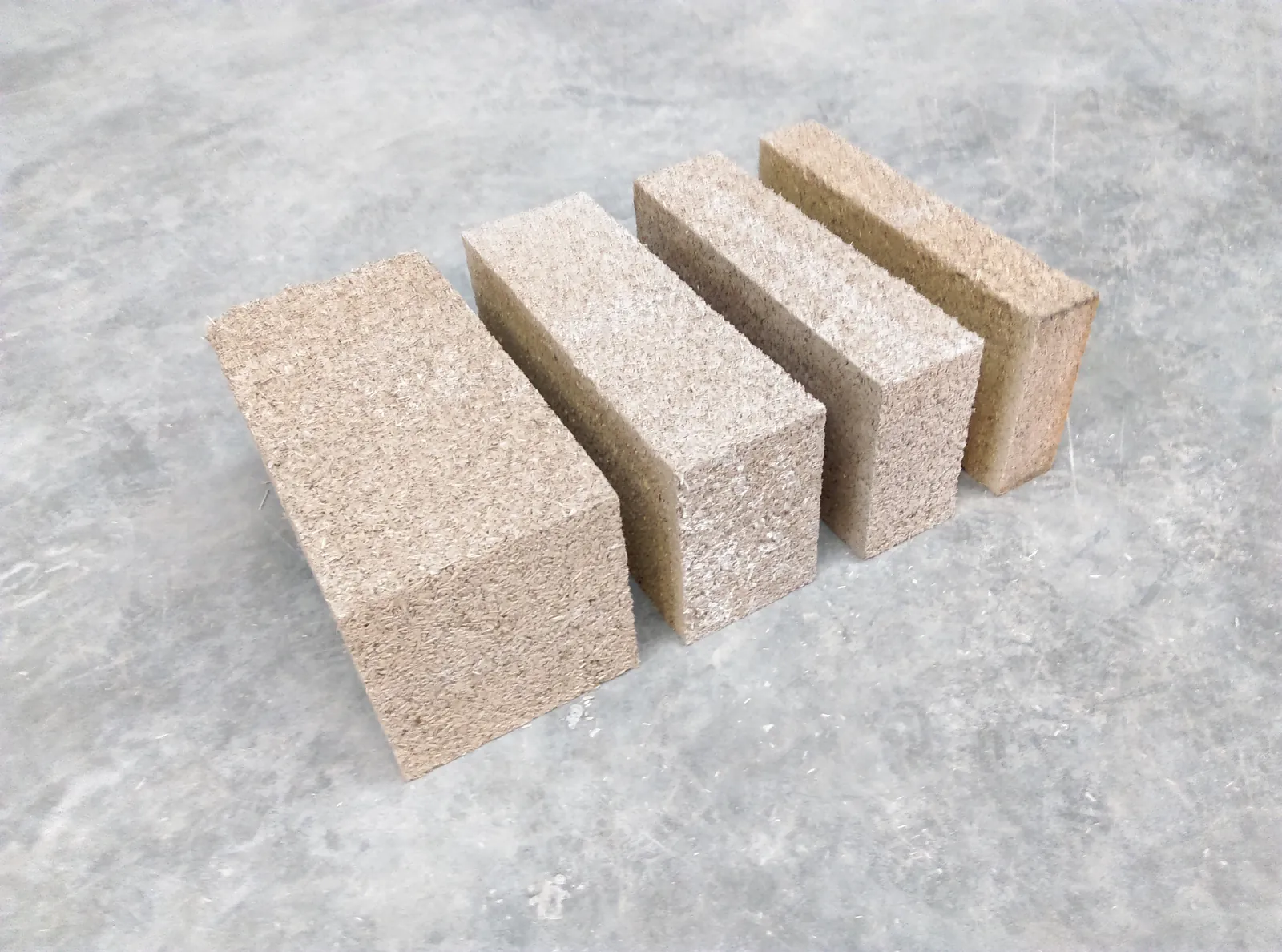
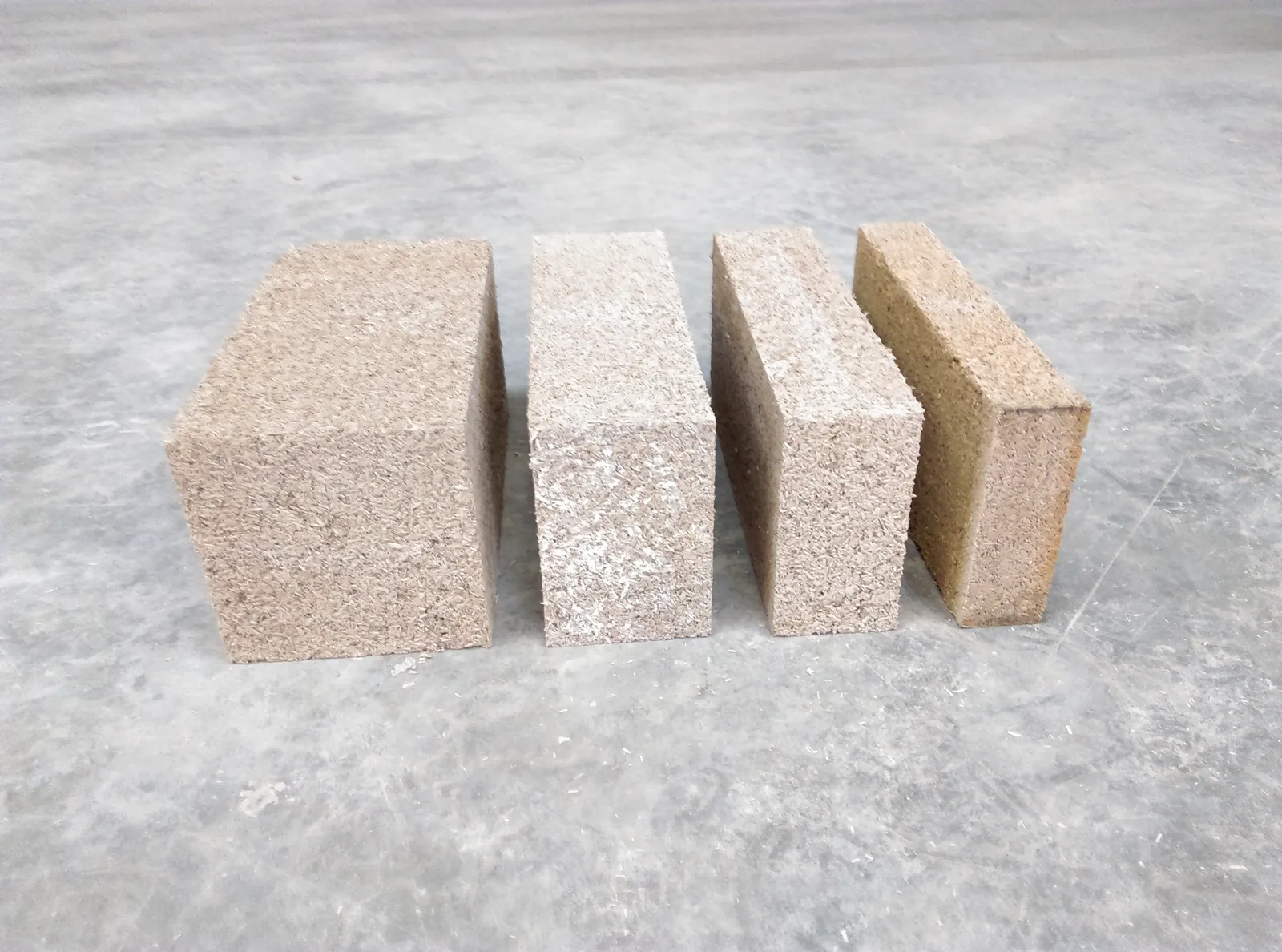
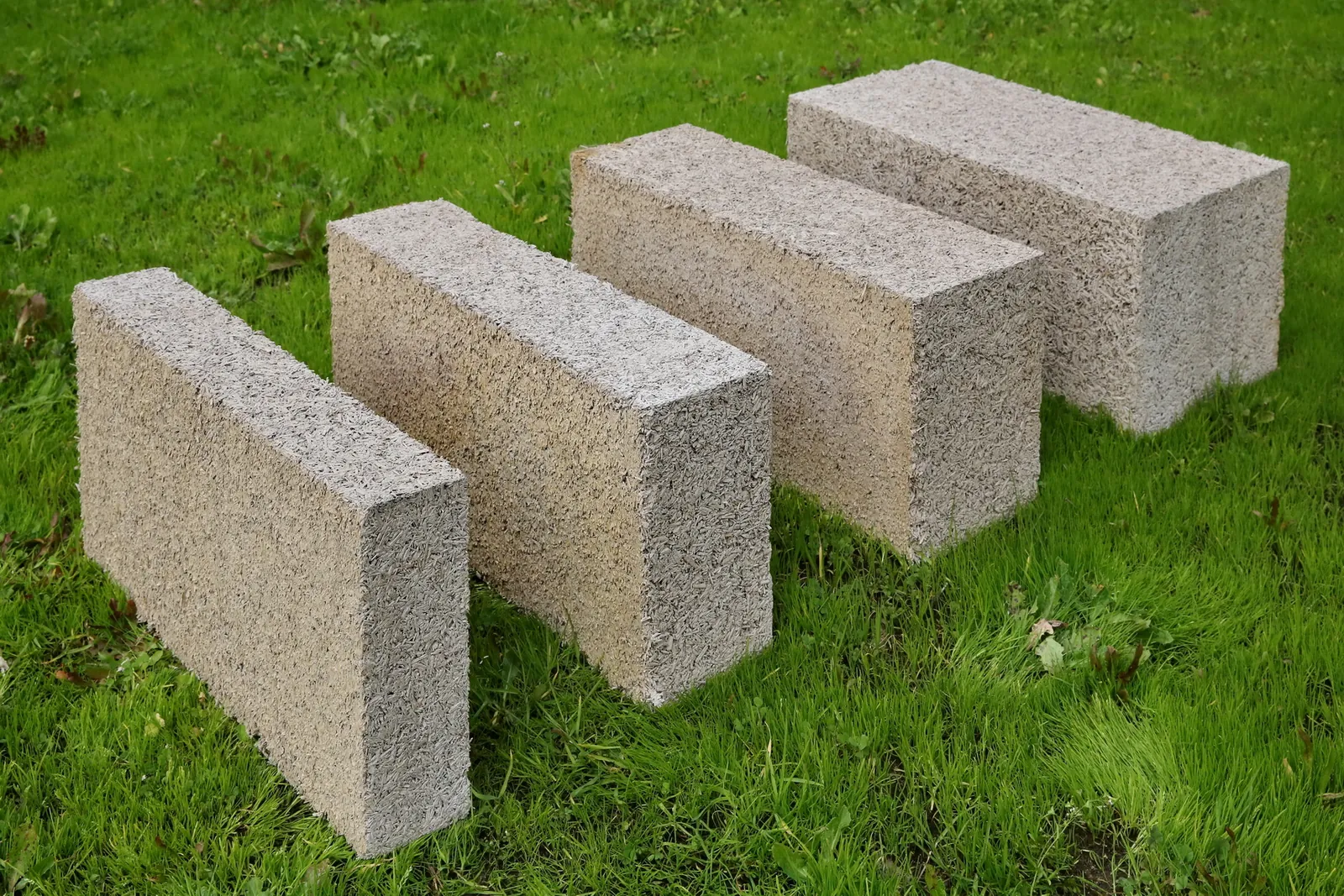
The MULTICHANVRE range in pictures
Read next
Planning a hemp block project?
Tell us about your project: we will reply within 48 working hours with a tailored costing.