15 cm hempcrete block for insulation: features and uses
The 15 cm hempcrete block offers a thermal resistance R of 2.3 m².K/W with good thermal lag, making it suitable for internal wall linings in renovation. It is installed with lime mortar on existing walls, providing moisture regulation and thermal comfort, while maintaining the breathability of sound masonry.
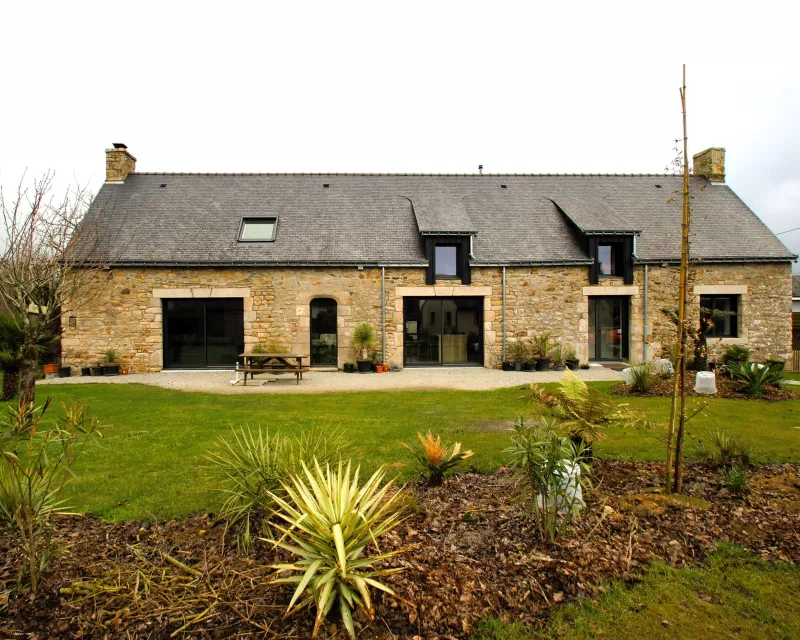
| Range | MULTICHANVRE |
|---|---|
| Format | 600 × 300 mm |
| Thermal conductivity λ | 0.065 W/(m.K) |
| Density | ≈ 300 kg/m³ |
| Thermal resistance R | 2.3 m².K/W |
| Installation | Standard lining, partitions, renovation of traditional buildings |
The 15 cm hemp block offers a thermal resistance R of 2.3 m².K/W with good thermal lag, making it suitable for insulating linings in renovation projects. It is installed using adhesive on existing walls, providing moisture regulation and thermal comfort, while maintaining the breathability of sound masonry.
Technical specifications of the 15 cm hemp block
The 15 cm hemp block measures 600 × 300 mm with a thickness of 150 mm and weighs 10 kg per unit. Its thermal resistance is 2.3 m².K/W, making it a suitable insulator for typical lining needs in renovation. The thermal conductivity is around 0.065 W/(m.K), with a density of approximately 300 kg/m³. The estimated thermal lag is about 9.25 hours, providing good thermal mass for summer comfort.
Each pallet contains 80 blocks, covering an area of 14.4 m², which equates to around 5.6 blocks per square metre. The composition is 84% hemp shiv, the woody core of the hemp stem, combined with a mineral binder—Vicat natural prompt cement—ensuring vapour permeability and local manufacturing.
| Data | Value |
|---|---|
| Thermal resistance R | 2.3 m².K/W |
| Thermal lag | ≈ 9.25 h |
| Unit weight | 10 kg |
| Blocks per pallet | 56 |
| Area per pallet | 14.4 m² |
| Blocks per m² | 5.6 |
The blocks are intended for use as linings or non-loadbearing partition walls, enhancing thermal insulation while allowing moisture regulation thanks to their vapour openness. For more details on the range, see The MULTICHANVRE range: thicknesses, R, thermal lag, packaging.
Choosing between 15 cm and 20 cm thickness
The choice between a 15 cm and a 20 cm hemp block mainly depends on thermal requirements and space constraints. The 20 cm block offers a thermal resistance of 3.0 m².K/W, about 30% higher than the 15 cm. In return, it adds 5 cm of thickness, which means a 10 cm reduction in room width if lining both sides.
This difference has a real impact on usable floor area, which is especially noticeable in narrow rooms. For example, in a bedroom 3.40 m wide, the performance gain must be weighed against the loss of usable space. In larger rooms, such as a 5 m wide living room, this constraint is less significant.
The technical choice should also take into account comfort objectives, applicable thermal regulations, and the nature of the project. In renovation, the 15 cm block is often preferred for its balance between thermal performance and space conservation. The guide Which hemp block thickness should you choose for your insulation? provides practical examples and criteria to help you decide.
Best uses: application on old walls and specific masonry types
The 15 cm hemp block is particularly well suited to old stone walls, solid brick, timber frame infill, or rammed earth. These types of masonry manage moisture by allowing natural vapour migration. Using hemp blocks fits this approach, avoiding the need for vapour barriers or impermeable membranes that could cause interstitial condensation.
For example, a 60 cm thick stone wall has a thermal resistance of around 0.6 m².K/W. Adding a 15 cm hemp block lining with R=2.3 m².K/W increases the wall’s resistance to about 2.9 m².K/W—a fivefold improvement over the original. This thermal gain significantly improves indoor comfort and reduces heat loss.
Beyond thermal performance, the most frequently cited benefit by occupants is the elimination of the cold wall effect, which improves perceived comfort and reduces the discomfort associated with uninsulated walls.
For applications and technical details on these uses, see the page IWI, EWI, partitions, floors and timber frame infill.
Recommended installation and suitable finishes
- Preparing the substrate: The substrate must be clean, dry and sound. Old cement renders should be removed (hacked off) and joints consolidated or repaired with hydraulic lime. Allow drying time before installing the blocks.
- Installation: Blocks are laid in a staggered bond, bonded with lime-based mortar applied using a notched trowel. Fix the blocks to the wall with two to five fixings per square metre. Blocks are installed directly against the wall, with no air gap, to ensure thermal continuity and mechanical stability.
- Internal finishes: Compatible finishes include spray-applied plaster, lime render, earth or clay. Cement should be avoided for internal finishes to preserve breathability and system durability.
- External finishes: Lime renders with full mesh reinforcement are recommended to accommodate moisture movement and maintain the breathability of the wall.
- Treating junctions: To reduce thermal bridging, especially at window reveals, a 5 cm return of block is recommended to limit the width of insulation without blocking natural light.
For full installation documentation, see Technical documentation: installation guide, quick reference and flyer in PDF (in French) and the guide How to install a hemp block: technical guide for IWI, EWI, partitions, floors.
Acoustic performance and user comfort
The 15 cm hemp block has a sound absorption coefficient α of around 0.4. This helps reduce both impact and airborne noise, improving acoustic comfort in rooms where it is installed.
As a lining or partition, the 15 cm block provides greater sound reduction than the 10 cm block, making it suitable for rooms requiring higher acoustic insulation, such as bedrooms or offices. However, for simple partition walls, the 10 cm block remains more economical and sufficient.
In addition, the block is rated A+ for indoor air quality, contributing to a healthy and comfortable environment with no harmful emissions.
Limitations and specific recommendations
- Non-loadbearing: The 15 cm hemp block is not structural. It must be used with a loadbearing wall or a frame (such as timber frame) to ensure overall stability.
- External wall insulation: The 15 cm thickness is insufficient for high-performance EWI. In this case, the 30 cm block is recommended to achieve the required thermal levels.
- New timber frame construction: To match standard stud sizes (200 mm), the 20 cm block is preferable.
- Loss of usable space: Adding 15 cm of insulation for IWI reduces the usable floor area, which should be considered in design or renovation.
- Time and cost: While installation is dry and quick, it should be compared with other insulation solutions in terms of cost, lead time and logistics.
See also the comparison with other insulants in Hemp block or glass wool: technical and practical comparison.
Environmental impact and RE2020 compliance
The 15 cm hemp block is a bio-based material, made from 84% hemp shiv and a natural mineral binder. It is renewable and recyclable, supporting a local supply chain with 100% French raw materials.
It stores CO₂ throughout its life, helping to reduce the carbon footprint of buildings. Its FDES (environmental product declaration) is verified.
The manufacturing process is a dry, factory-prefabricated system, with no drying time required on site, making planning easier and reducing moisture-related risks.
These features enable the hemp block to meet the requirements of the RE2020 regulation (France's environmental building regulation), particularly for insulation and indoor air quality.
Technical comparison with other common insulants
| Insulant | Thickness | Thermal resistance R | Approximate weight | Features |
|---|---|---|---|---|
| 15 cm hemp block | 15 cm | 2.3 m².K/W | 10 kg/unit | Moisture regulation, thermal mass, vapour openness |
| Glass wool (standard insulant) | approx. 10 cm | variable, often ~2.5 m².K/W | lightweight | Low thermal mass, requires vapour barrier |
| Expanded polystyrene | approx. 10 cm | variable, often ~2.5 m².K/W | lightweight | Impermeable to water vapour |
| Aerated concrete | approx. 15 cm | variable, similar to hemp | heavier than hemp | Loadbearing material, low thermal mass |
The hemp block stands out for its ability to regulate indoor humidity and its thermal mass, which improves summer comfort and wall durability. However, it requires greater thickness than some thin insulants to achieve the same R-value, which can affect usable floor area.
Durability and maintenance are favourable thanks to natural resistance to rodents and compatibility with breathable renders. For an in-depth analysis, see Comparison with concrete block, brick, aerated concrete and mineral/fibre insulants.
Frequently asked questions about the 15 cm hemp block
For further technical and practical information, see Frequently asked questions about hemp blocks.
Frequently asked questions
When should you choose a 15 cm hemp block instead of a 20 cm?
The 15 cm hemp block is suitable where maximising usable space is a priority and a thermal resistance of R=2.3 m².K/W is sufficient, especially when renovating old walls where hygrothermal comfort is more important than meeting stricter regulatory thresholds.
What is the total thermal resistance with a 15 cm lining on a stone wall?
A 60 cm stone wall with around 0.6 m².K/W, lined with a 15 cm hemp block at R=2.3 m².K/W, achieves a total of about 2.9 m².K/W—five times the original thermal resistance.
Can the 15 cm hemp block be used for partitions?
Yes, it is suitable for partitions needing greater sound reduction than the 10 cm block, such as bedrooms or offices, but it is heavier and more expensive than the 10 cm for simple partition walls.
How is a 15 cm hemp block installed?
Blocks are laid in a staggered bond, bonded with lime-based mortar applied with a notched trowel, and fixed to the wall with two to five fixings per square metre. They are installed directly against the wall, with no air gap, and must be rendered after installation.
Which renders are compatible with the 15 cm hemp block?
For interiors, spray-applied plaster, lime, earth or clay are compatible. For exteriors, lime renders with full mesh reinforcement are recommended. Cement should be avoided to prevent incompatibility.
Can the hemp block be used for external wall insulation (EWI)?
The 15 cm hemp block is not suitable for high-performance EWI; the 30 cm block is recommended for this use to achieve higher thermal resistance.
What is the environmental impact of the 15 cm hemp block?
Mainly made from hemp shiv and a natural mineral binder, the block stores CO₂ and has a low carbon footprint (verified FDES). It is renewable, recyclable and meets RE2020 requirements.
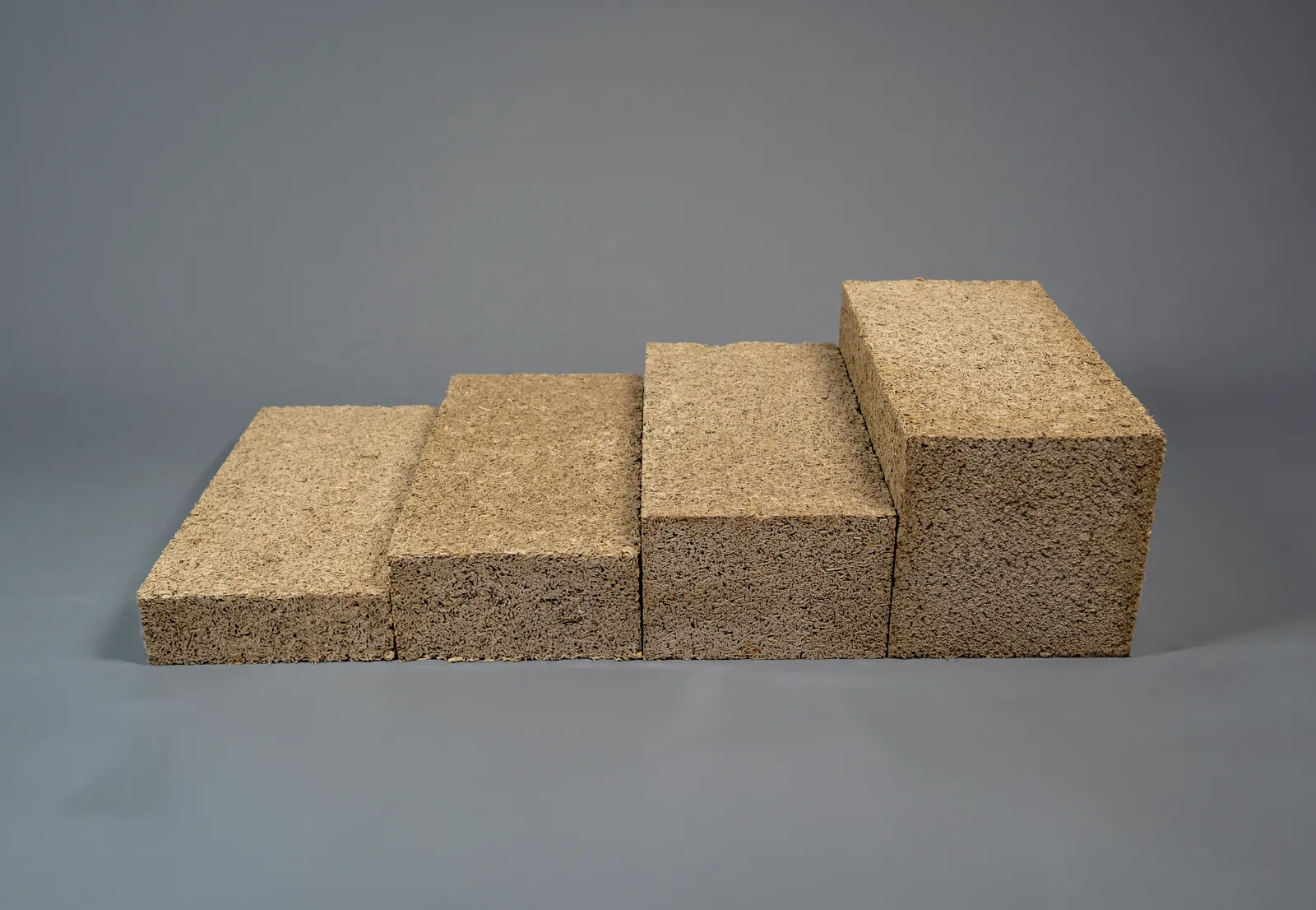
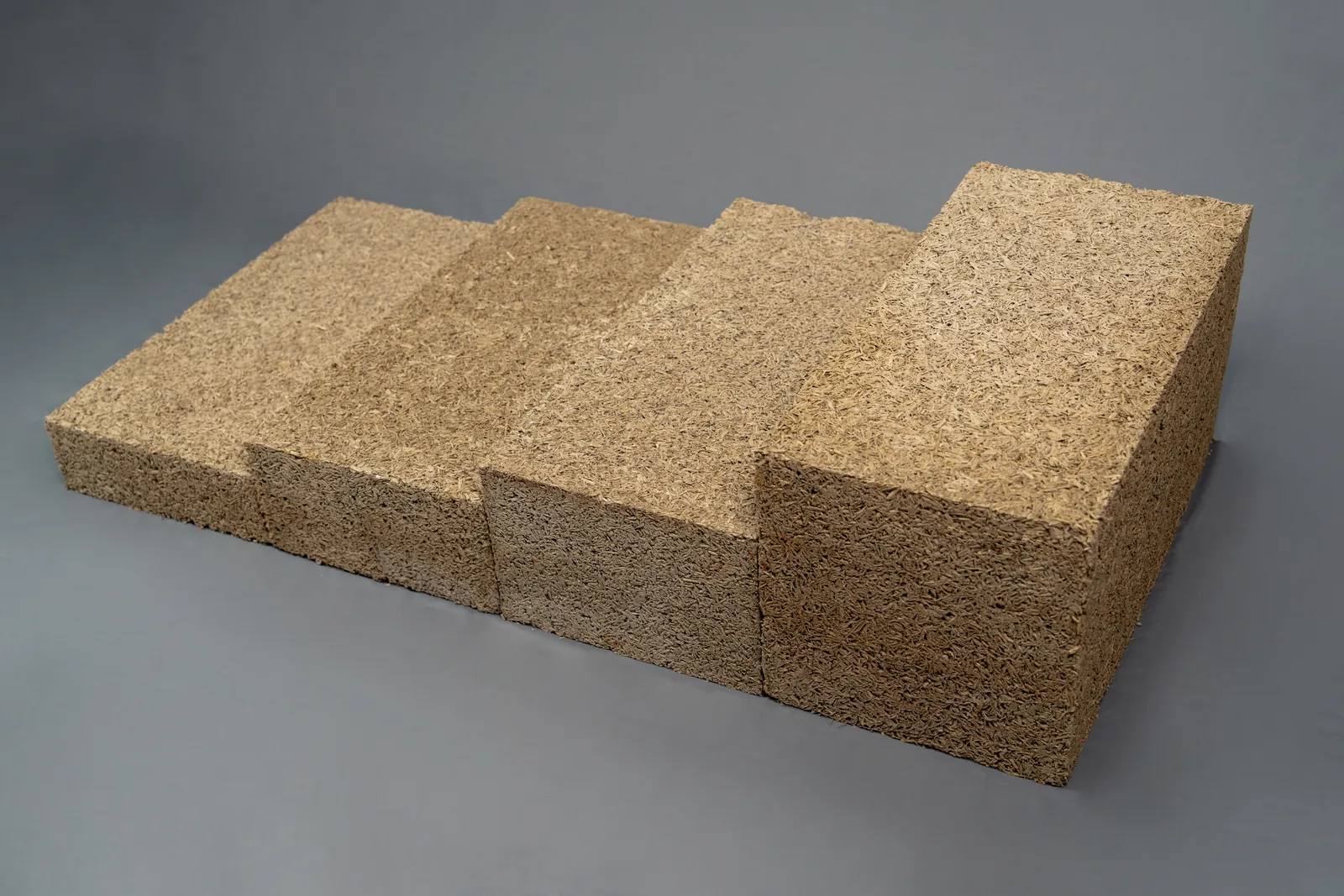
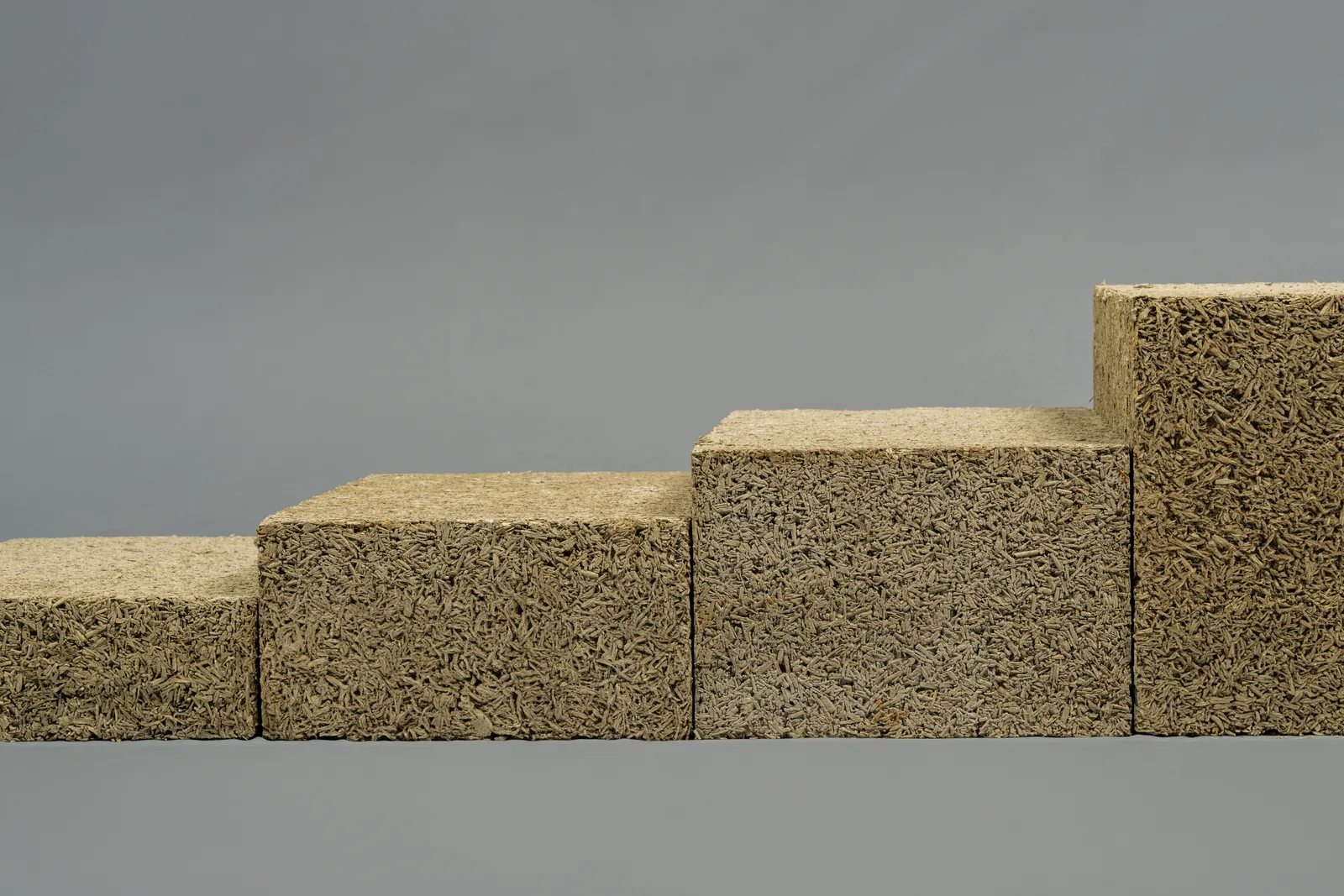
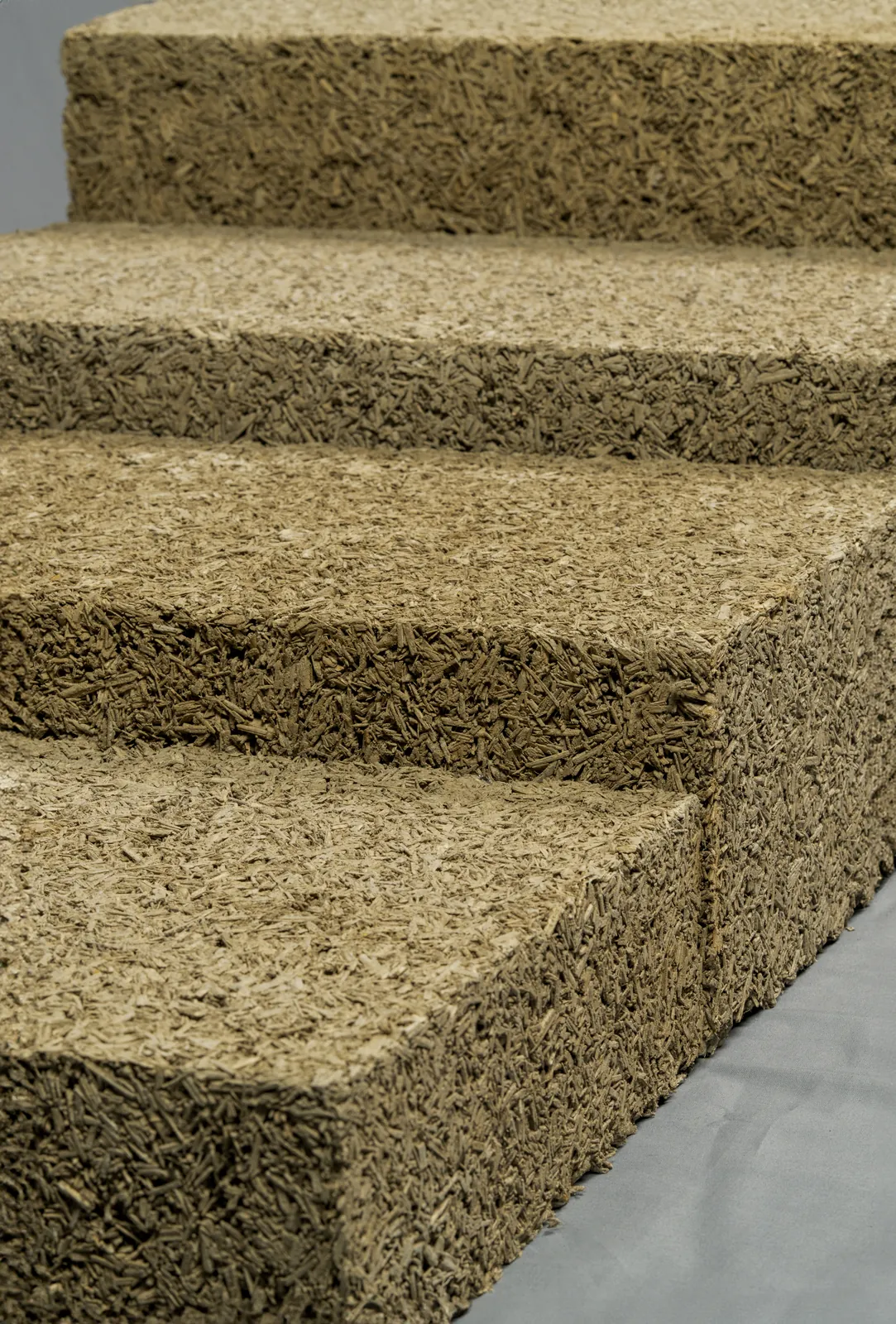
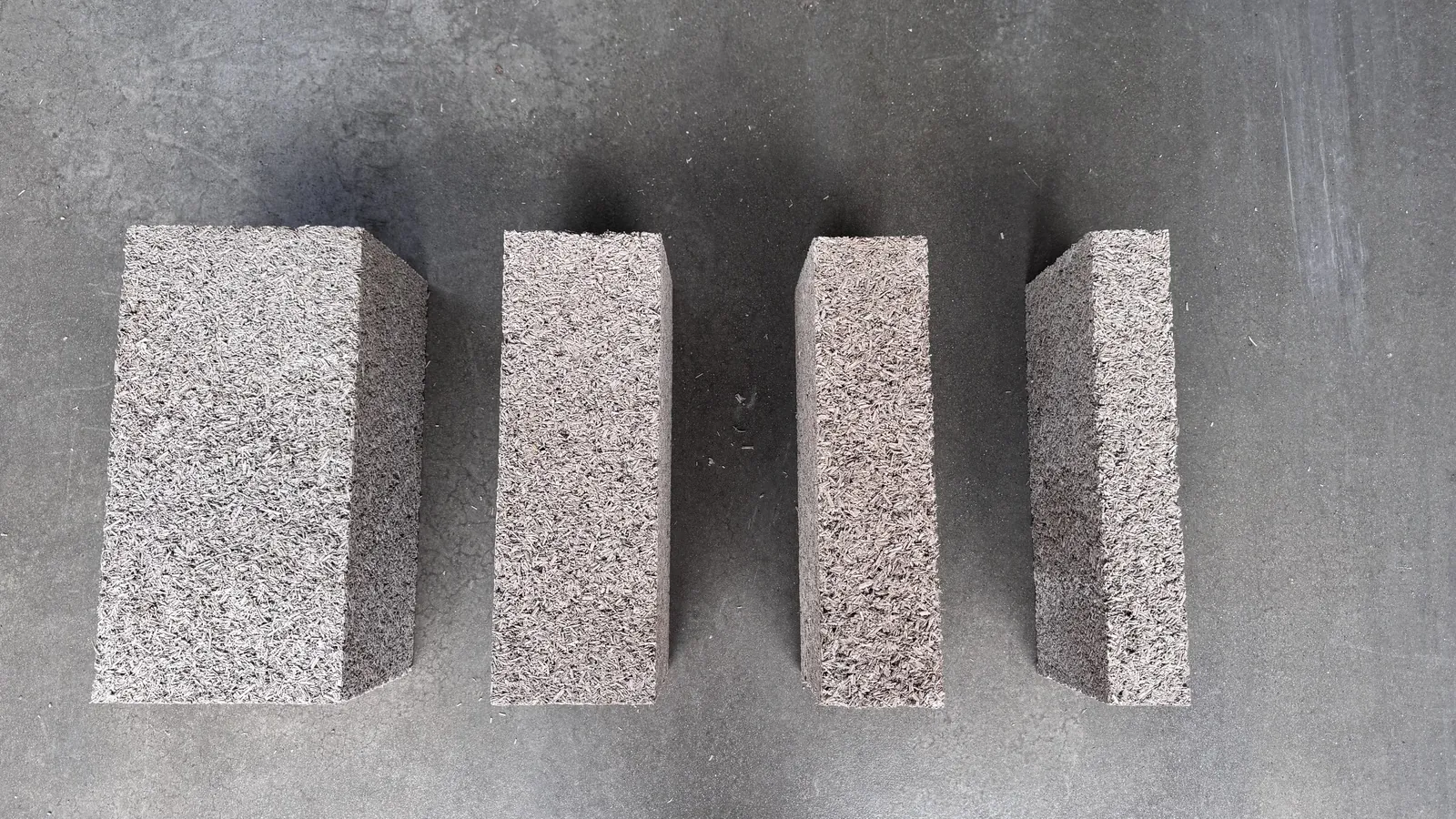
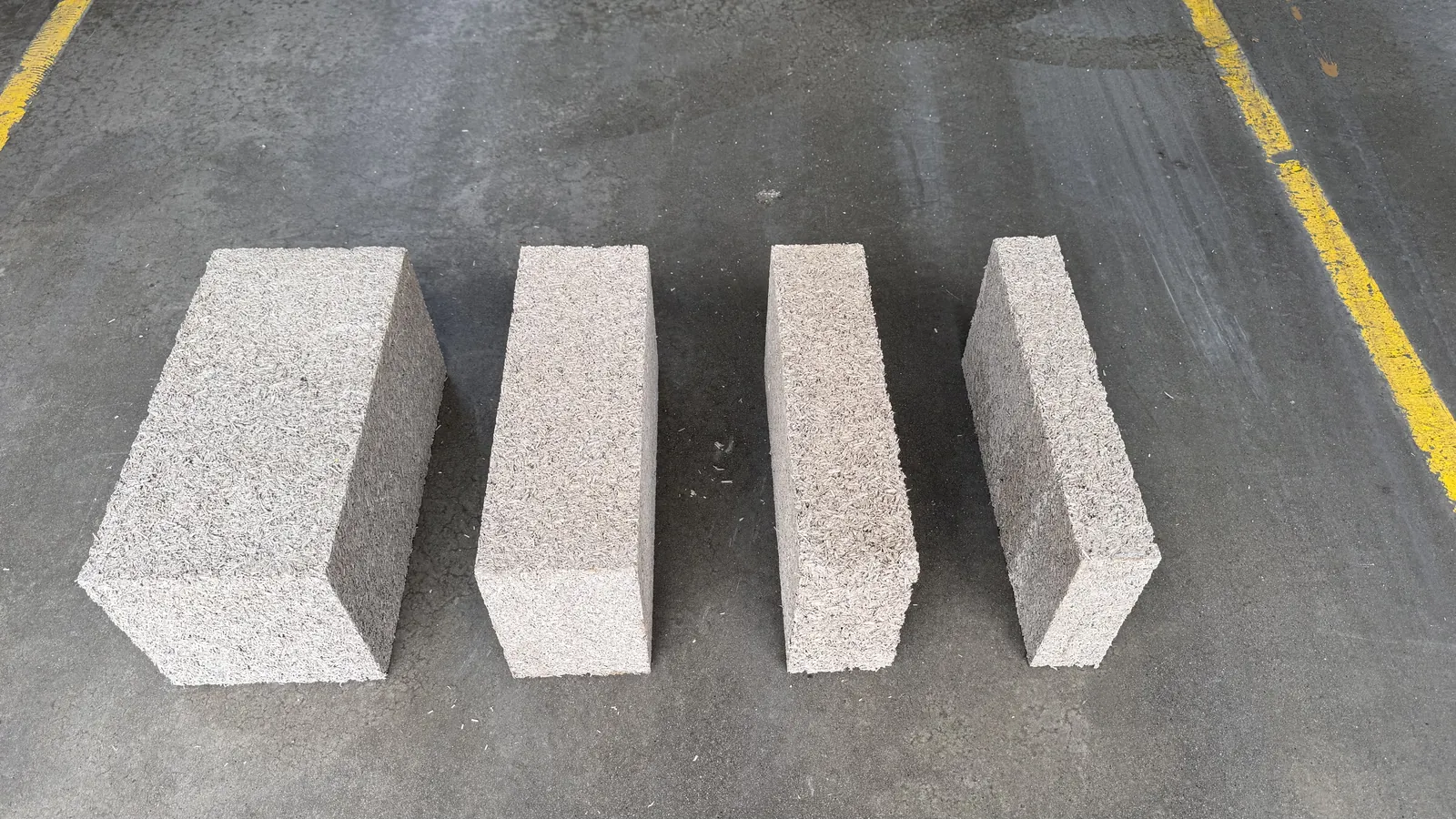
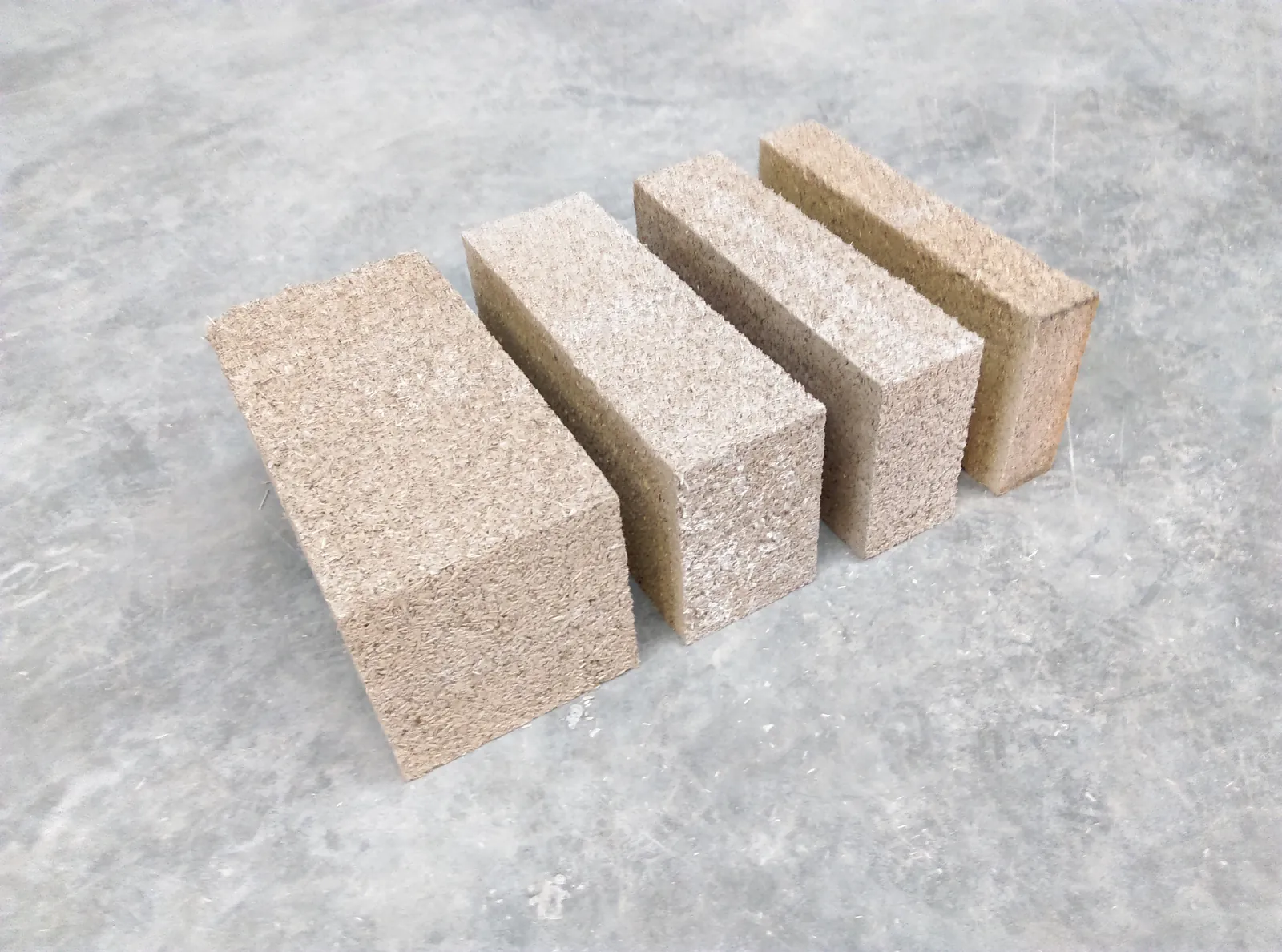
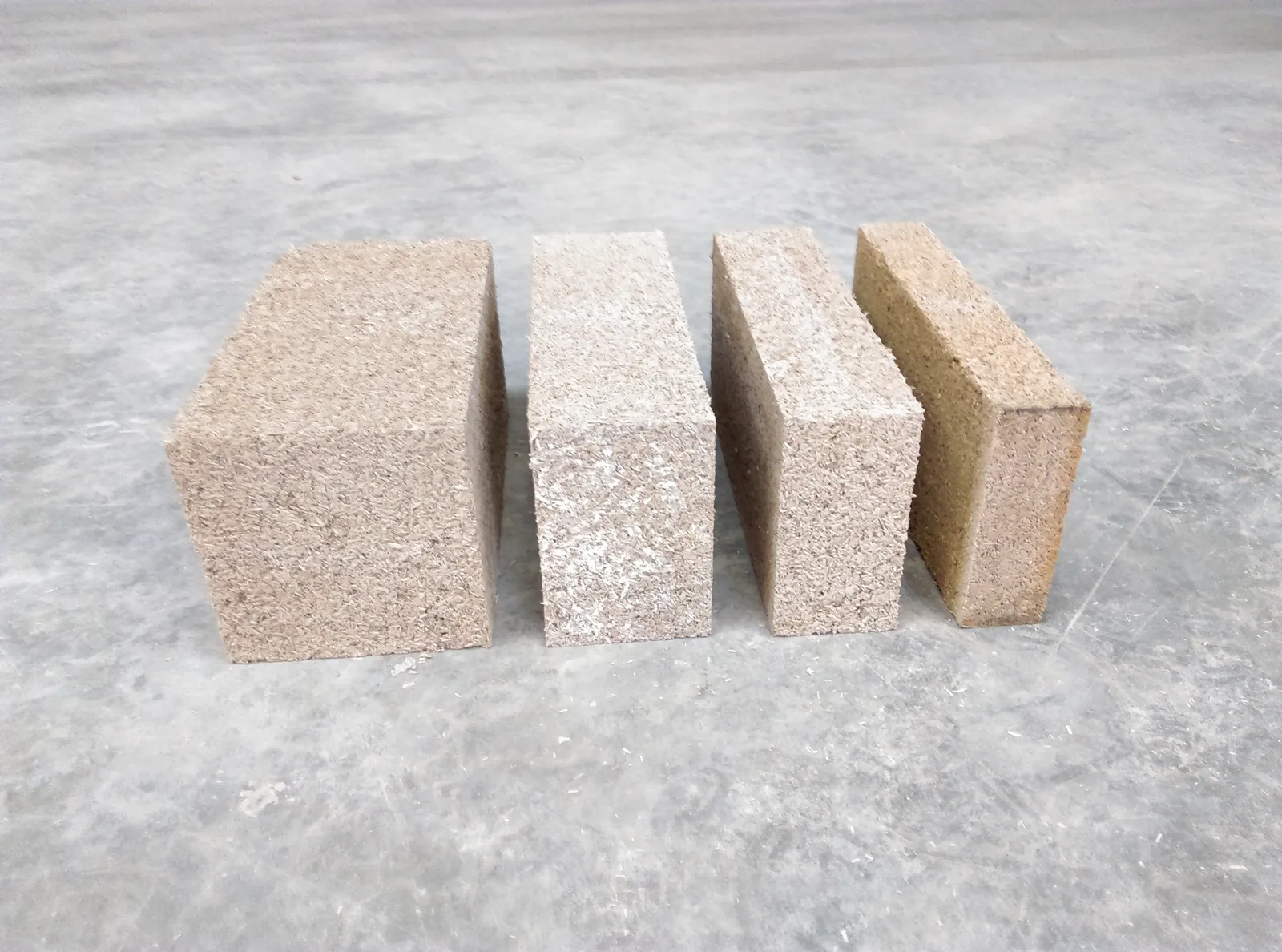
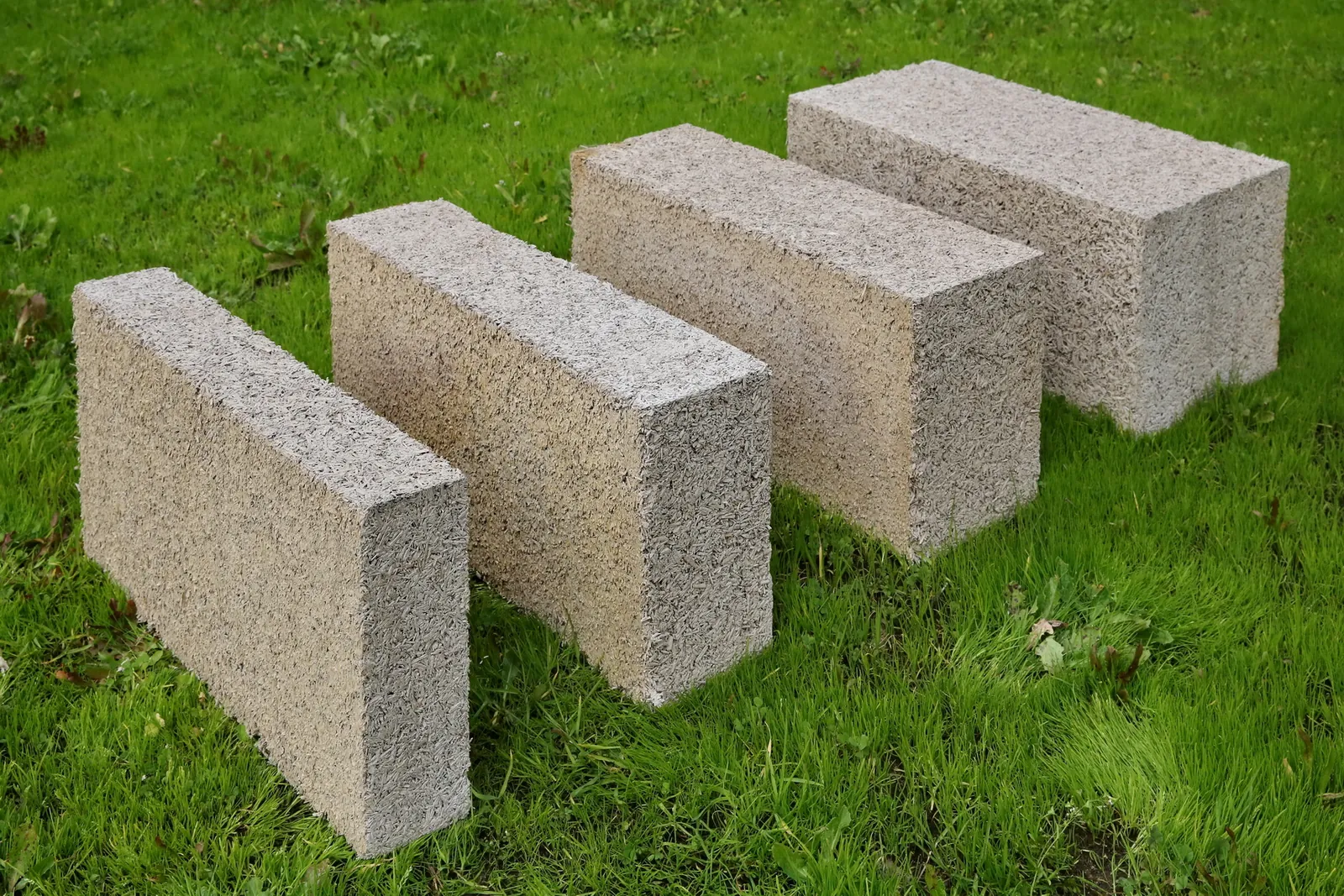
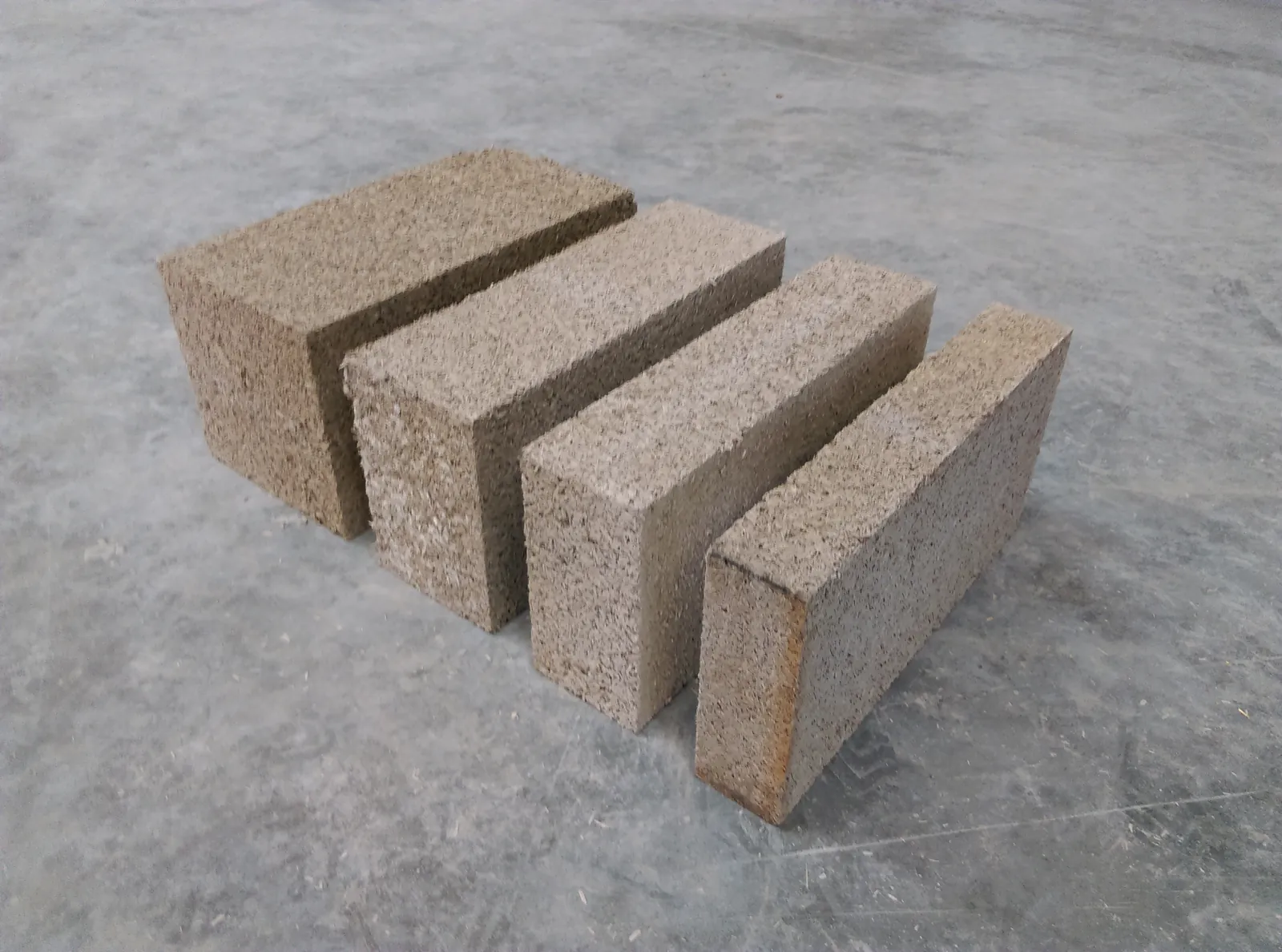
The MULTICHANVRE range in pictures
Read next
Planning a hemp block project?
Tell us about your project: we will reply within 48 working hours with a tailored costing.