Hemp block for internal insulation: technical details and applications
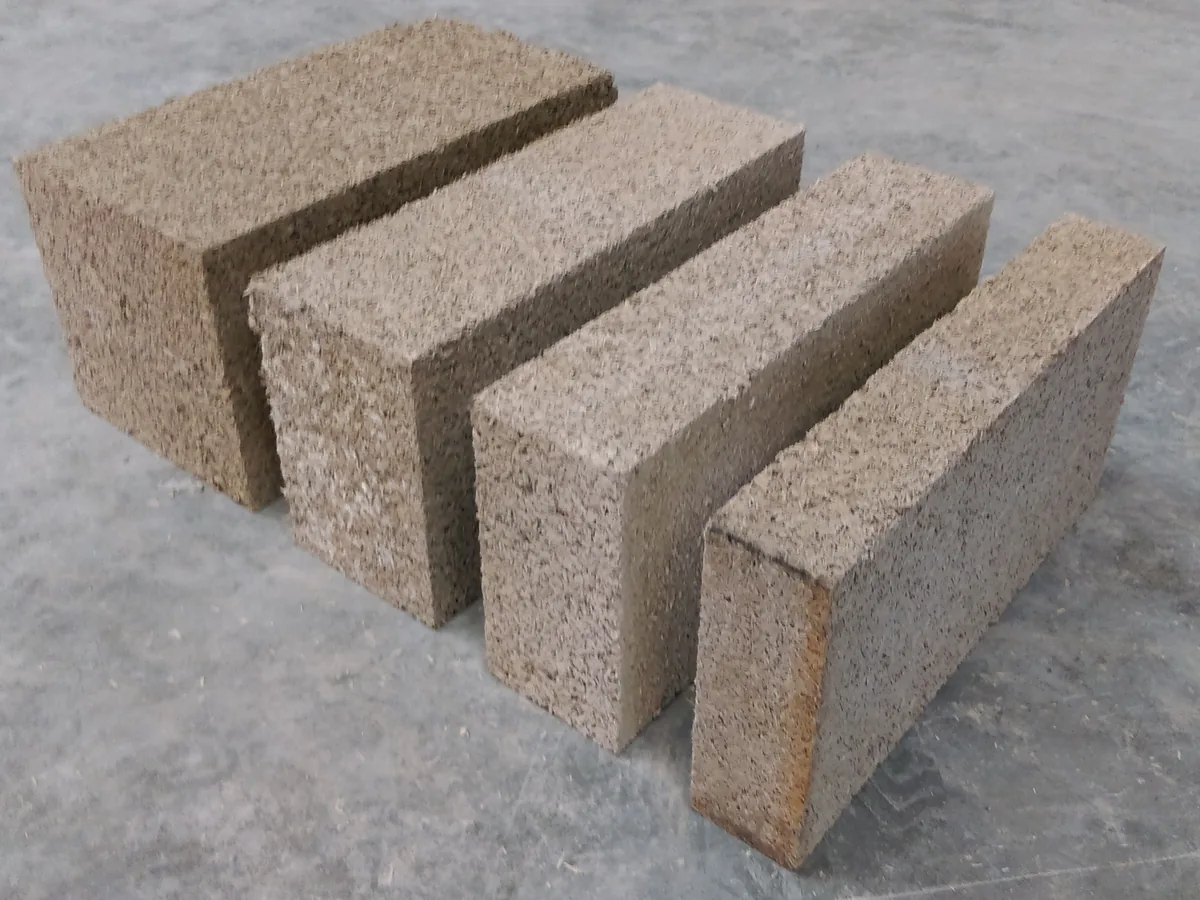
The internal hemp block, especially the MULTICHANVRE range, is a mineral, bio-based insulation block measuring 60 × 30 cm, available in several thicknesses to provide the right thermal resistance for internal wall insulation (IWI). It is laid with a trowel using mortar and requires a compatible finishing plaster.
| Range | MULTICHANVRE |
|---|---|
| Format | 60 × 30 × 10 cm |
| Thermal conductivity λ | 0.065 W/(m.K) |
| Density | ≈ 300 kg/m³ |
| Thermal resistance R | 1.5 m².K/W |
| Installation | partition walls, lightweight lining |
The internal hemp block, particularly the MULTICHANVRE range, is a mineral, bio-based insulation block measuring 60 × 30 cm, available in several thicknesses to provide thermal resistance suitable for internal wall insulation (IWI). It is laid with a trowel using mortar and requires a compatible plaster or render to finish.
Composition and technical characteristics of internal hemp blocks
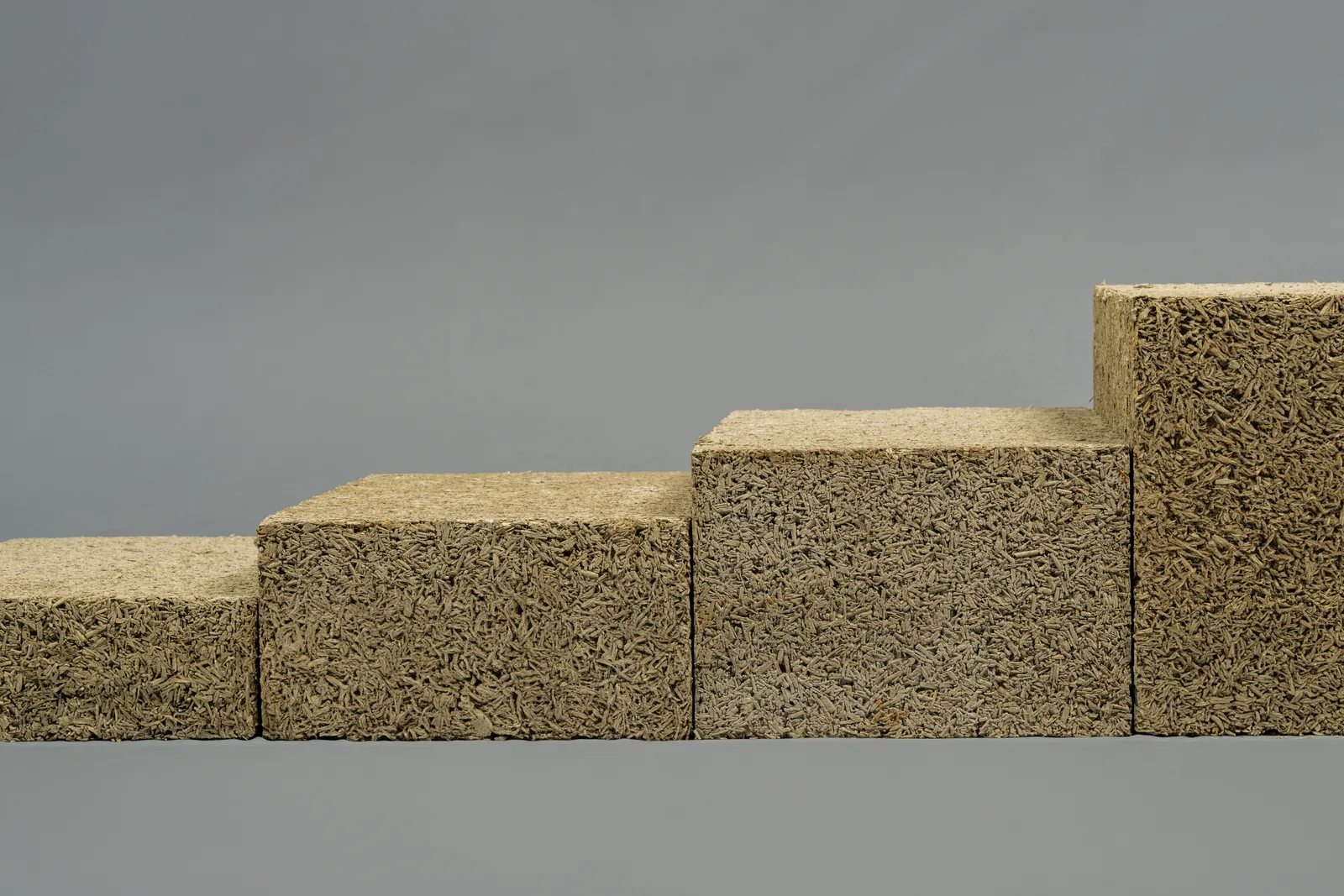
The internal hemp block is made up of 84% hemp shiv, the woody core of the hemp stem, combined with a mineral binder—Vicat natural prompt cement—renowned for its vapour permeability. This composition gives the material specific thermal, moisture-regulating and acoustic properties.
The standard block size is 60 × 30 cm, with a density of around 300 kg/m³. The dry-state thermal conductivity λ is approximately 0.065 W/(m.K), placing this material among medium-density natural insulants. This conductivity helps reduce heat loss while providing a degree of thermal mass.
The block is rated B-s1 d0 for fire, meaning it produces little smoke and offers fire resistance in line with safety requirements. It also holds an A+ rating for indoor air quality, confirming very low emissions of volatile organic compounds (VOCs).
Among its hygrothermal properties, the block naturally regulates indoor relative humidity within a comfortable range, supporting healthy living conditions and protecting buildings from moisture-related issues.
Finally, its sound absorption coefficient α is 0.4, providing moderate attenuation of airborne noise in the home. Thermal lag, which varies with thickness, helps delay heat transfer, improving summer comfort.
For a detailed breakdown of composition and characteristics, see the page Hempcrete block: composition, characteristics, range.
MULTICHANVRE range and thermal performance by thickness
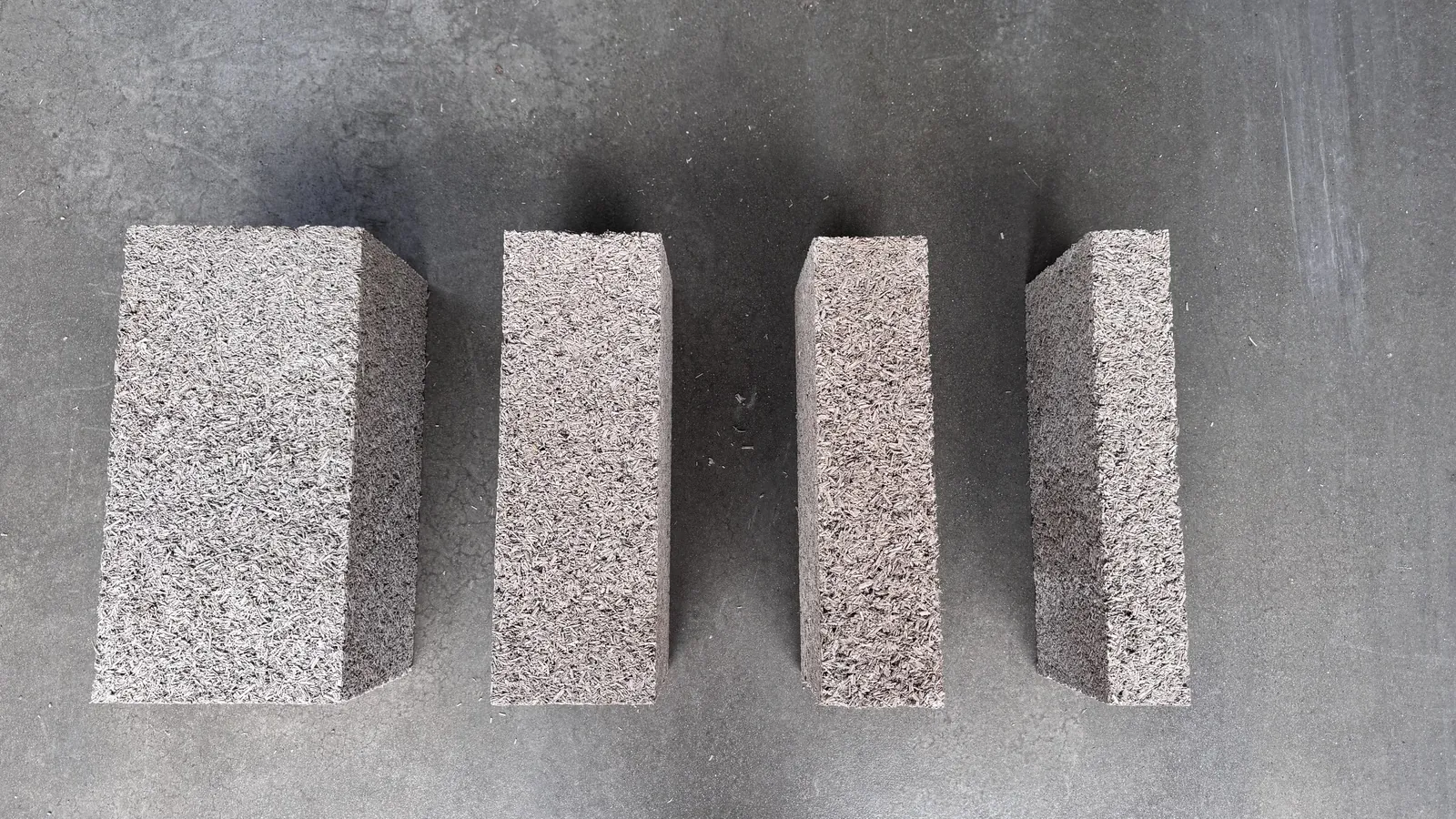
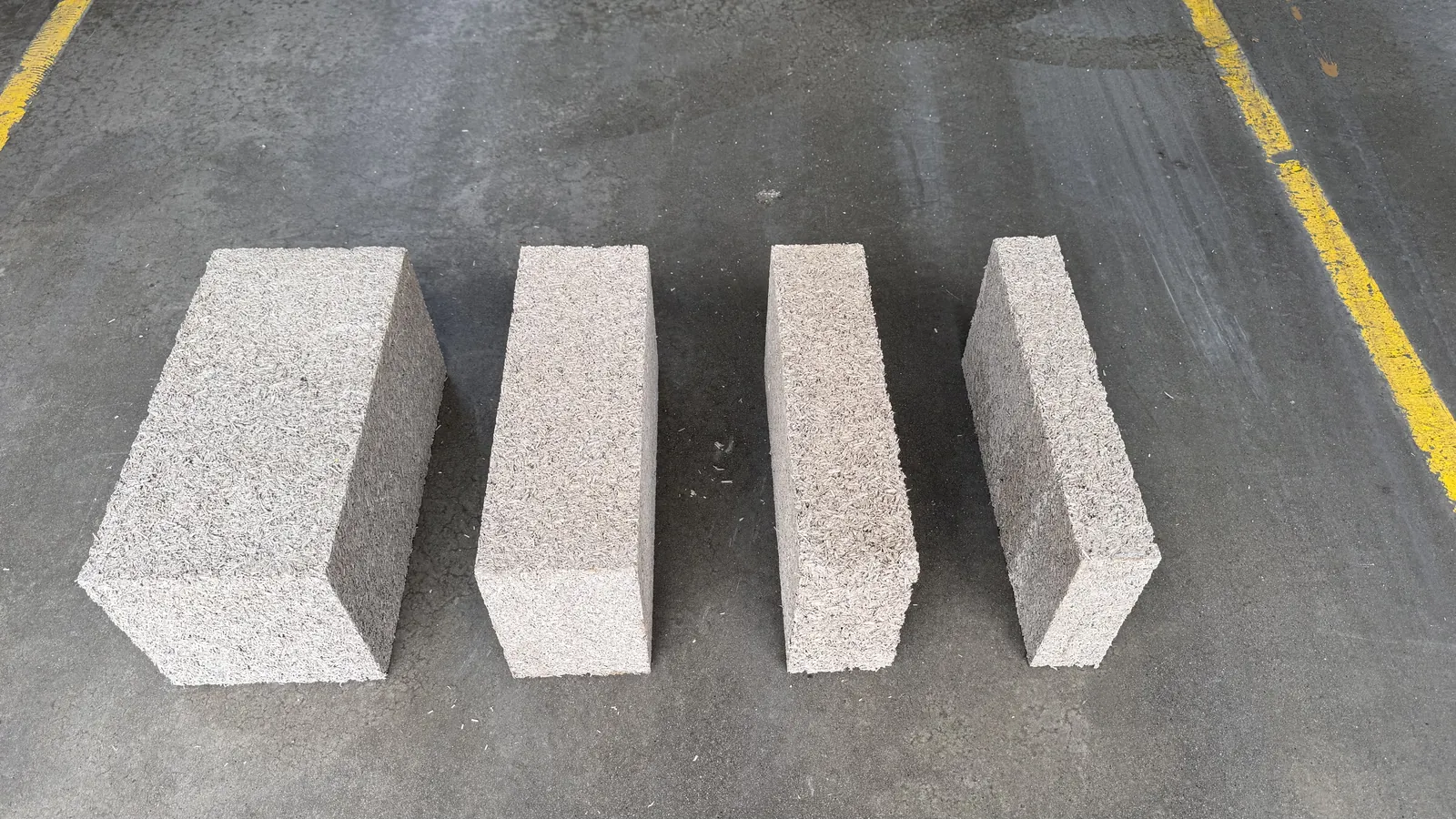
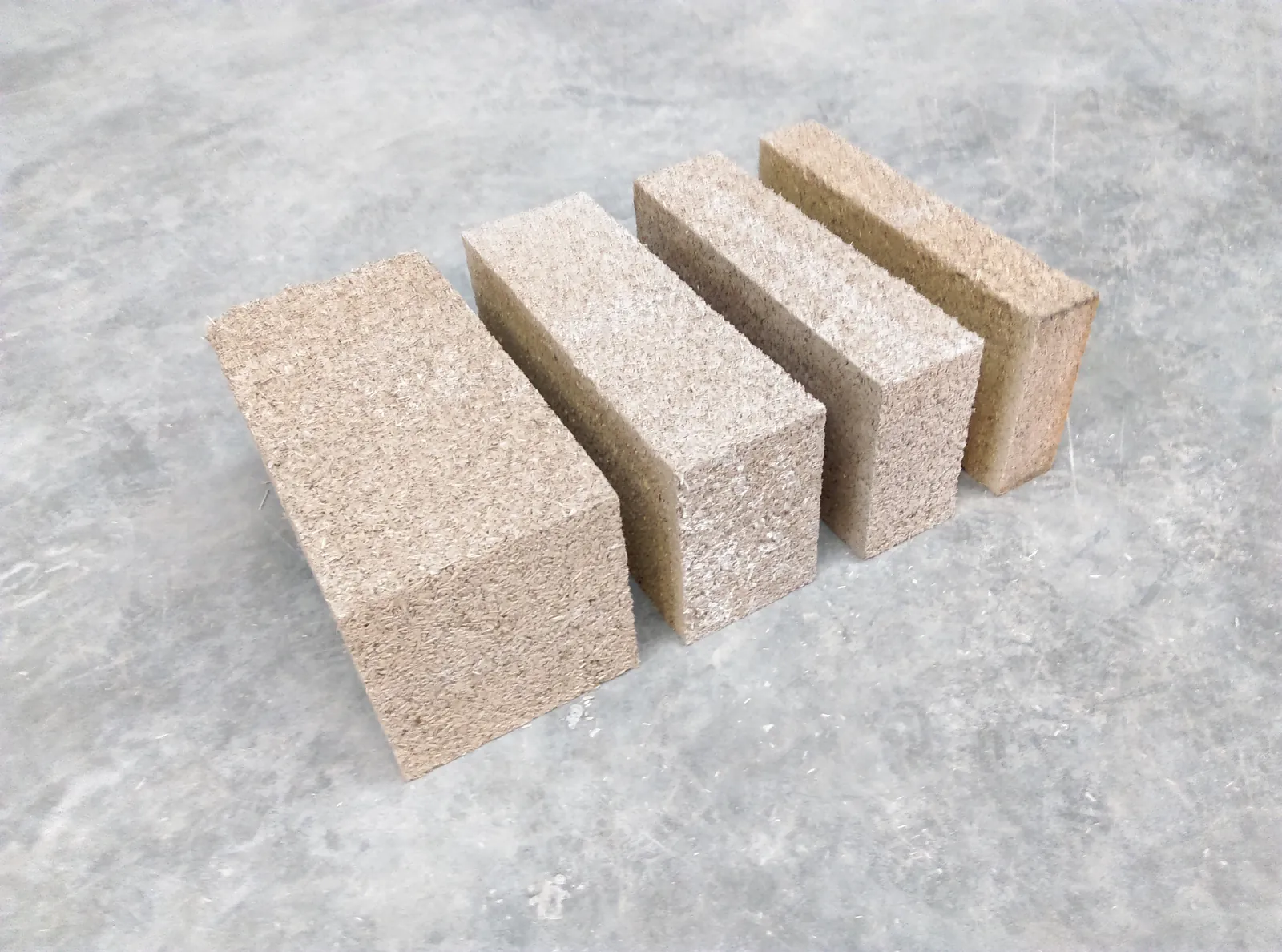
| Thickness (cm) | Thermal resistance R (m².K/W) | Thermal lag (h) | Block weight (kg) | Palletisation (blocks/pallet, m²/pallet) | Recommended uses |
|---|---|---|---|---|---|
| 10 | 1.5 | 6.1 | 6.5 | 120 blocks, 21.6 m²/pallet | Partition walls, light linings |
| 15 | 2.3 | 9.25 | 10 | 80 blocks, 14.4 m²/pallet | Standard lining, partitions |
| 20 | 3.0 | 12.3 | 13 | 60 blocks, 10.8 m²/pallet | High-performance internal (IWI) and external (EWI) insulation |
| 30 | 4.6 | 18.5 | 21 | 56 blocks, 10.08 m²/pallet | High-performance external wall insulation (EWI) |
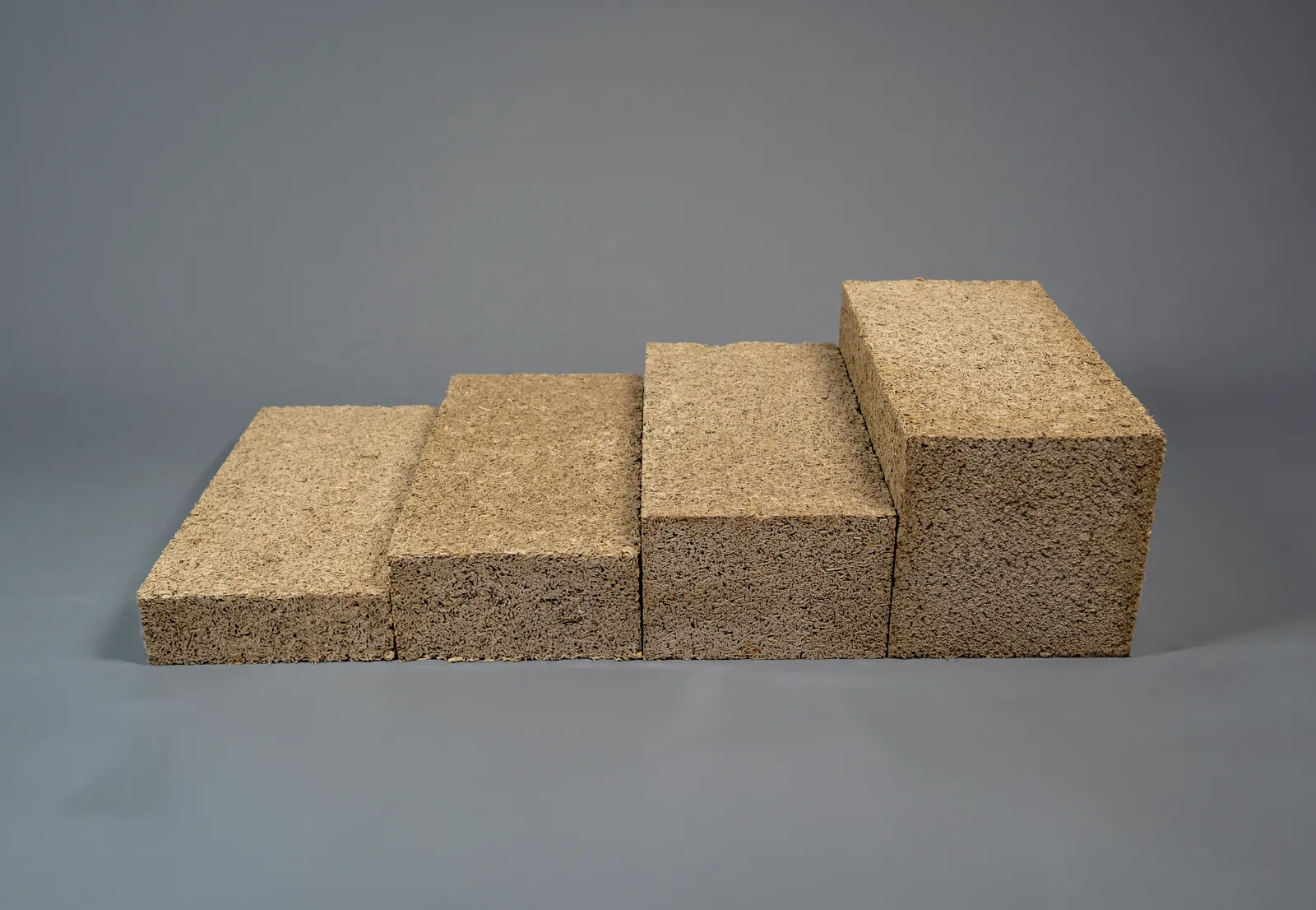
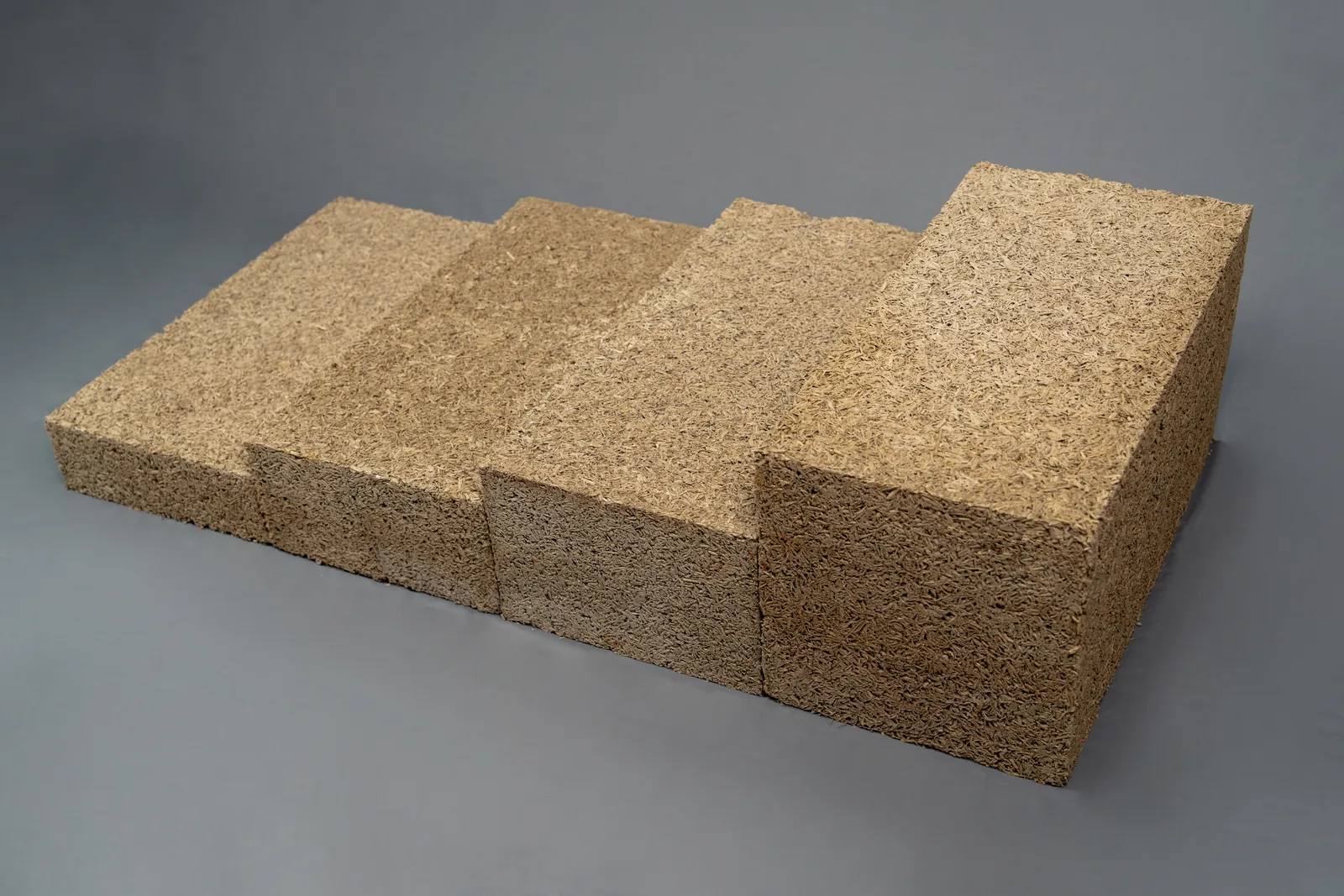
The MULTICHANVRE range offers solutions to suit a variety of internal insulation needs, with thermal resistance values from 1.5 to 4.6 m².K/W depending on the thickness selected. Thermal lag increases with thickness, providing better summer comfort by delaying heat transfer.
Block weights range from 6.5 kg for 10 cm thick blocks to 21 kg for 30 cm, which affects handling and installation on site. Palletisation is optimised for ease of transport and laying.
Each thickness is suited to specific uses: thinner blocks for partitions and light linings, thicker blocks for more demanding IWI and EWI applications. For more details on the range, visit The MULTICHANVRE range: thicknesses, R, thermal lag, palletisation.
Uses of internal hemp blocks in renovation and new build
Internal hemp blocks are used in a range of applications for both new builds and renovation projects. Their main use is for internal wall insulation (IWI) of existing walls, providing a high-performance, natural solution to improve thermal comfort and indoor air quality.
In renovation, they are particularly well suited to older properties where preserving the structure and managing moisture are key concerns. The block offers a breathable alternative to conventional insulation, reducing the risk of condensation and moisture-related damage.
In new construction, hemp blocks are used for partition walls and light to medium linings, as well as for insulating floors beneath screeds or for infilling timber frames. They are ideal for projects where thermal performance goes hand in hand with an environmentally responsible, bio-based approach.
It is important to note that the block is non-loadbearing and must be used with a supporting wall or suitable frame. This technical limitation should be considered when designing the building envelope.
The Bourgogne-Franche-Comté region, especially the Doubs and Jura departments, is the main area of use, benefiting from strong local expertise. However, the material is suitable for similar climate zones across France.
The appeal of internal hemp blocks also lies in their ability to regulate indoor humidity and provide summer comfort through thermal lag, delaying heat ingress into buildings.
For a full overview of possible applications, see Applications: IWI, EWI, partitions, floors and timber frame infill.
Installing internal hemp blocks: laying and finishing
Internal hemp blocks are generally laid with a lime-based mortar, applied using a notched trowel. The blocks are laid in a staggered bond to ensure effective mechanical and thermal continuity.
Blocks are fixed to the substrate using metal brackets, typically two per square metre, to ensure the stability of the lightweight masonry. This method also helps reduce thermal bridging and ensures good adhesion to the supporting wall.
Finishes must be compatible with the moisture-regulating properties of the material. Recommended finishes include spray plaster, lime, earth or clay renders, all of which promote vapour permeability and natural humidity regulation. These finishes also help preserve the wall’s durability and the block’s thermal performance.
Careful management of moisture and ventilation is essential to avoid any risk of material degradation. Good design and close supervision during installation help prevent water ingress and ensure the system’s longevity.
Training for tradespeople and consulting the installation guide, quick reference and flyer in PDF are strongly recommended to ensure work meets technical requirements.
Comparison table: MULTICHANVRE block characteristics by thickness
| Thickness (cm) | R (m².K/W) | Thermal lag (hours) | Block weight (kg) | Palletisation (blocks/pallet, m²/pallet) | Recommended uses |
|---|---|---|---|---|---|
| 10 | 1.5 | 6.1 | 6.5 | 120 blocks, 21.6 m²/pallet | Partition walls, light linings |
| 15 | 2.3 | 9.25 | 10 | 80 blocks, 14.4 m²/pallet | Standard lining, partitions |
| 20 | 3.0 | 12.3 | 13 | 60 blocks, 10.8 m²/pallet | High-performance IWI and EWI |
| 30 | 4.6 | 18.5 | 21 | 56 blocks, 10.08 m²/pallet | High-performance EWI |
Limitations and precautions when using hemp blocks for internal insulation
- Usable floor area is reduced due to the thickness required to achieve the desired thermal resistance, which may be a consideration in renovation projects.
- The block is non-loadbearing and must always be used with a supporting wall or suitable frame, restricting its use to linings or infill.
- Its thermal performance is lower than that of thin or synthetic insulants for the same thickness, so a greater thickness is needed.
- The block’s durability depends on using a compatible render or plaster and on strict control of moisture and ventilation to avoid degradation.
- Certification of the MULTICHANVRE system is still in progress, which may affect certain regulatory and insurance aspects.
- It is advisable to supplement the study with a specific thermal analysis or consult the technical department to confirm the product’s suitability for your project.
Compatible finishes and maintenance for internal hemp blocks
Finishes for internal hemp blocks should favour mineral or bio-based renders, ensuring vapour permeability and preserving the material’s hygrothermal properties. Spray plaster, lime, earth or clay renders are all suitable, supporting natural humidity regulation.
Conversely, the use of plastic films or impermeable vapour barriers is not recommended, as these can trap moisture and compromise the block’s durability.
The lifespan of a hemp block wall depends largely on the quality of installation and finishing, as well as the conditions in use. The material is naturally rodent-resistant thanks to its hemp shiv content, but this does not make it structurally loadbearing.
Maintenance is minimal, mainly focused on keeping conditions dry and well-ventilated to prevent damage from excess moisture or mould.
For a complete guide to finishes, see Which renders for a hemp block wall? Complete guide 2026.
This technical overview of internal hemp blocks provides a clearer understanding of their features, possible uses and limitations, based on precise data and recommendations for both professionals and private individuals.
Frequently asked questions
What thickness of hemp block should I choose for effective internal insulation?
The choice depends on the required thermal resistance. The MULTICHANVRE range offers thicknesses from 10 to 30 cm, with R values from 1.5 to 4.6 m².K/W. For renovation, 20 cm is often a good compromise for IWI.
Are hemp blocks loadbearing?
No, hemp blocks are not loadbearing. They are designed to line an existing wall or fill a timber frame. The loadbearing structure must be provided by a separate wall or frame.
What types of render or plaster are compatible with internal hemp blocks?
Spray plaster, lime, earth or clay renders are all compatible. They allow vapour permeability and moisture regulation, which are essential to preserve the block.
How are hemp blocks installed for internal insulation?
They are laid with a trowel using a lime-based mortar, in a staggered bond. Blocks are fixed to the substrate with brackets, then finished with a suitable render or plaster. Careful installation is needed to ensure airtightness and durability.
Do hemp blocks provide real summer comfort?
Yes, thanks to their thermal lag, which can reach 18.5 hours for 30 cm thickness, hemp blocks help prevent summer overheating by delaying heat transfer.
What is the thermal conductivity of hemp blocks?
The thermal conductivity λ of hemp blocks is around 0.065 W/(m.K), placing them among medium-density natural insulants.
Are internal hemp blocks resistant to rodents?
The material is naturally resistant to rodents thanks to its hemp shiv content, which helps prevent infestation.
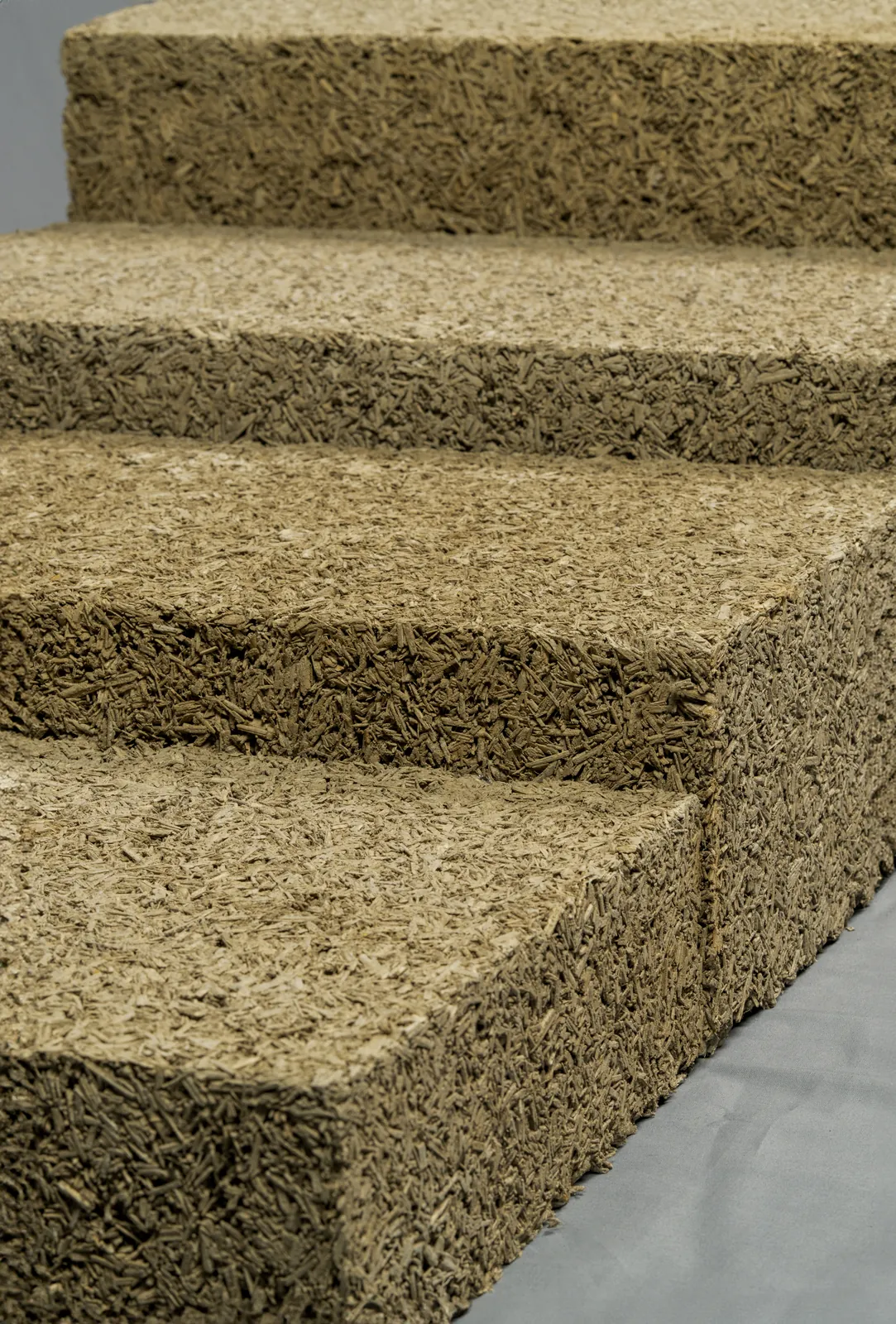
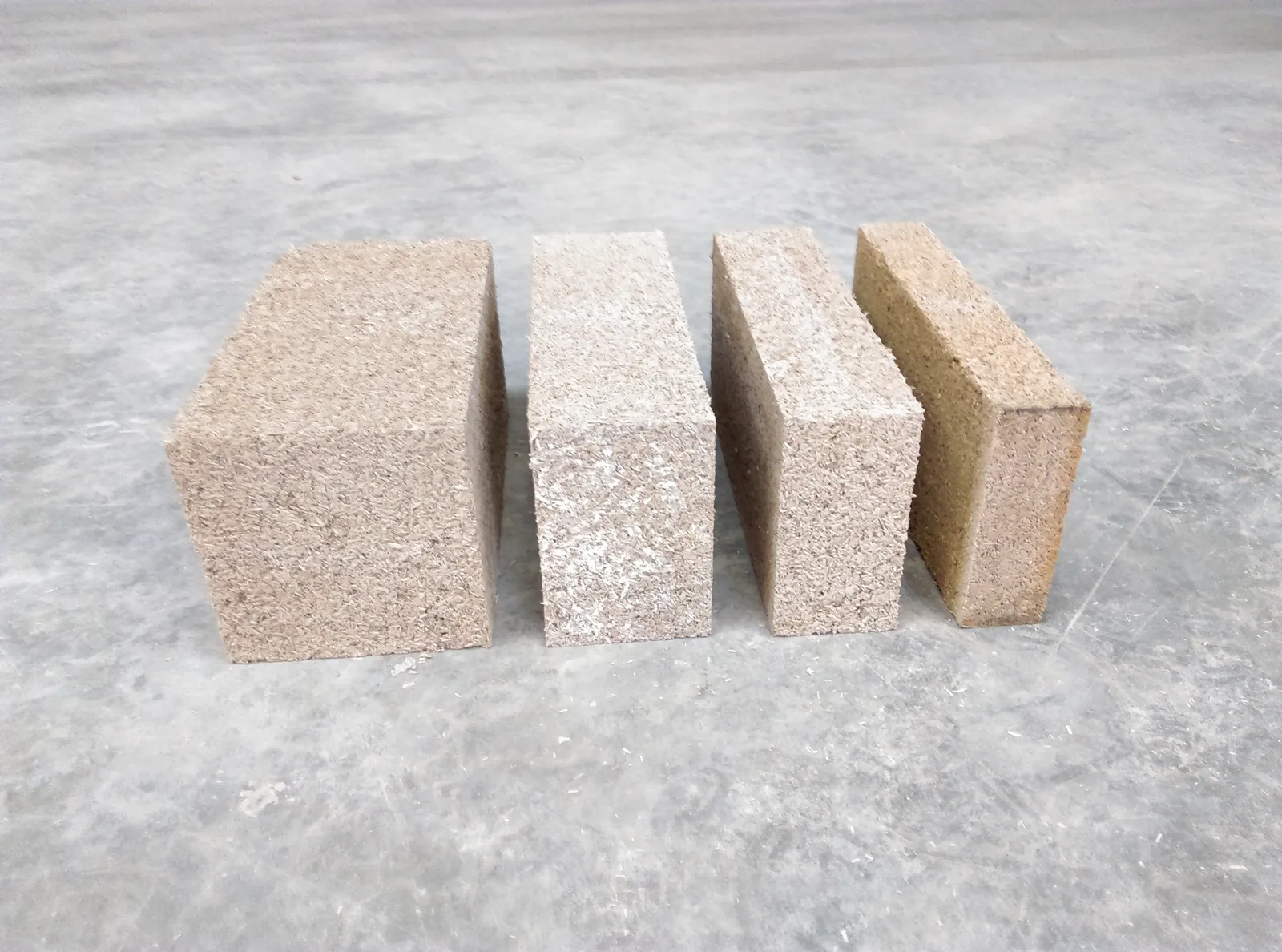
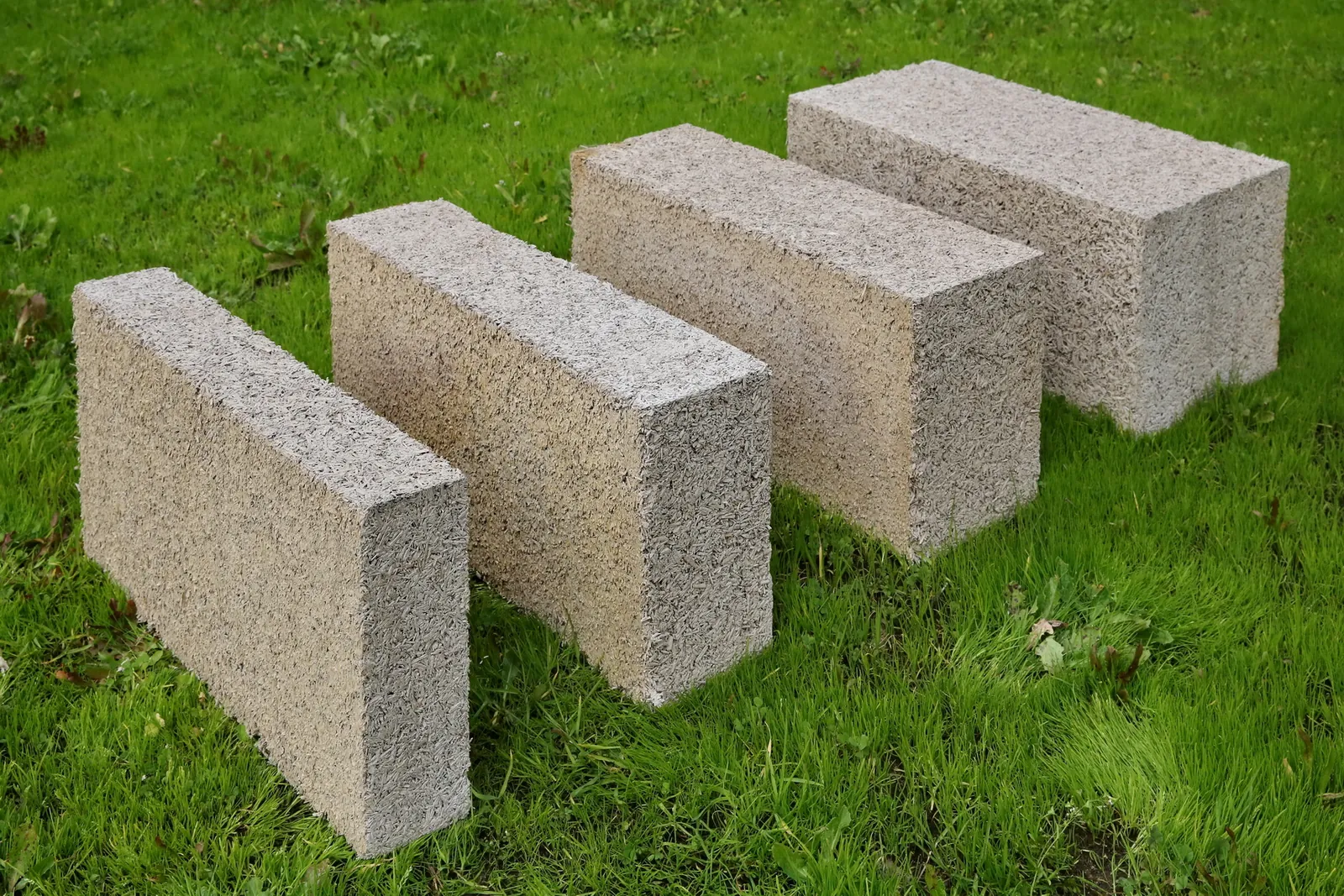
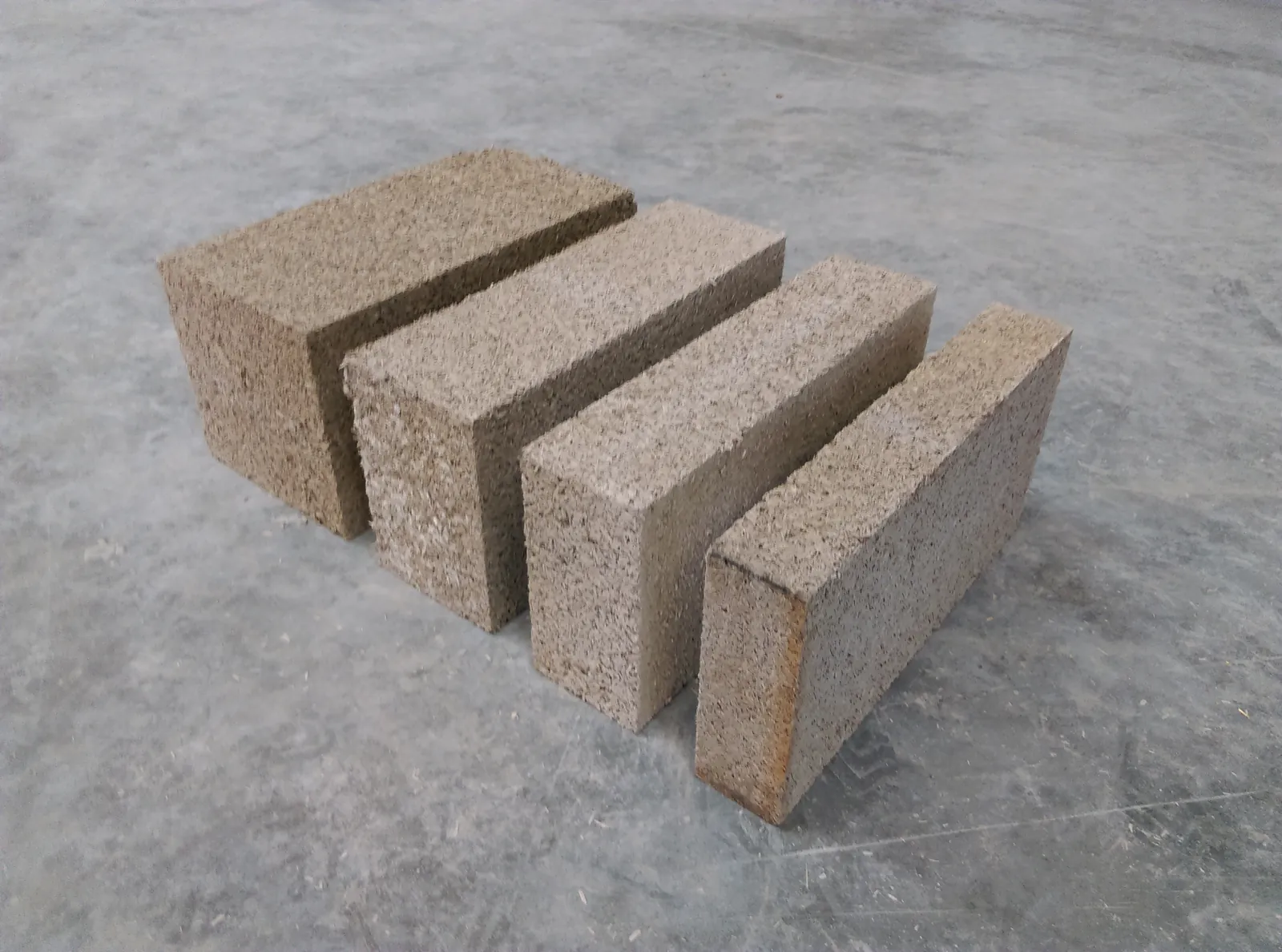
The MULTICHANVRE range in pictures
Read next
Planning a hemp block project?
Tell us about your project: we will reply within 48 working hours with a tailored costing.